





In the high-stakes, digitally-charged atmosphere of Brazil's recent presidential runoff, a new force emerged. It wasn't a traditional party machine but a sprawling, informal network of supporters that reshaped the online battlefield for Lula da Silva.
A Battle Fought on Screens
The 2022 Brazilian presidential election was one of the most polarized in the nation's history, pitting the incumbent Jair Bolsonaro against the leftist former president, Luiz Inácio Lula da Silva. After a tight first round, the race headed to a runoff. The political climate was intensely combative, not just on the streets but in the digital realm. For years, Brazil's right-wing, particularly supporters of Bolsonaro, had expertly dominated social media platforms like WhatsApp, Facebook, and Twitter, creating a powerful ecosystem for spreading their message and, often, disinformation. Lula's campaign initially struggled to counter this digital dominance, running a more traditional, old-fashioned operation that seemed outmatched in the fast-paced world of memes, viral videos, and coordinated online messaging. The first-round results served as a wake-up call that the election would be won or lost online.
Enter 'The General', André Janones
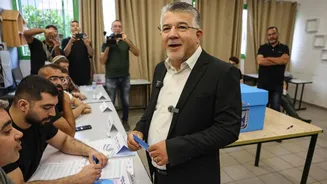
The key figure behind the transformation of Lula's digital strategy was André Janones, a federal congressman with a massive social media following and a knack for populist communication. Janones, who had previously run for president before endorsing Lula, understood the language and tactics of the digital world in a way the mainstream campaign did not. Recognizing the need for a more agile and aggressive approach, he took it upon himself to mobilize Lula's supporters into a cohesive online force. He wasn't an official campaign spokesperson in the traditional sense, but Lula himself would later dub him 'our general' for his crucial role in rallying the 'troops' online.
The 'Lula's Army' Playbook
The headline's 'network channel' was, in reality, a massive WhatsApp channel named 'Exército do Lula', or 'Lula's Army'. This was the central hub of a decentralized network. Led by Janones, the channel grew exponentially in the weeks between the first round and the runoff, swelling from around 60,000 to nearly 11 million followers. The strategy was simple but effective. Janones would issue daily 'missions' to his followers. These tasks ranged from promoting specific pro-Lula hashtags, sharing campaign videos to boost their visibility, creating and disseminating memes, and even coordinating Google searches to influence trending topics. This 'gamification' of political activism gave millions of supporters a sense of purpose and a direct way to contribute, turning their passive support into active participation. It was a masterclass in fighting fire with fire, adopting the rapid-response, high-volume tactics that had long been the hallmark of their opponents.
Reclaiming National Symbols
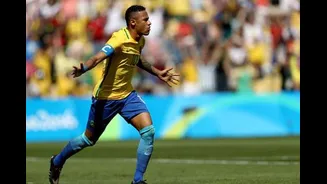
One of the most successful 'missions' was the effort to reclaim national symbols that had been coopted by the right. For years, the iconic yellow jersey of Brazil's national football team had become synonymous with Bolsonaro's movement. Janones instructed the 'Lula's Army' to flood social media with photos of themselves wearing the yellow shirt while making an 'L' sign for Lula. This simple act was a powerful piece of cultural counterprogramming, designed to neutralize a potent symbol of the opposition and show that patriotism belonged to all Brazilians, not just one political faction. The move was widely supported, with celebrities and even Lula himself joining in, demonstrating the network's ability to influence the broader cultural conversation.
A New Model for Digital Campaigning?
While it is difficult to definitively state that the network singlehandedly won the election, analysts widely agree it was a fundamental component of Lula’s comeback. The energy and organization it provided were instrumental in mobilizing voters and countering the opposition’s powerful digital machine. Lula himself, a veteran politician who reportedly got his first smartphone only after the first round, embraced the new strategy, participating in live streams with Janones. The success of 'Lula’s Army’ offers a striking example of how a decentralized, grassroots digital movement can be harnessed to compete in a modern, information saturated election. It provided a new playbook for the Brazilian left and offered a model that political movements around the world are likely to study for years to come.