






Vehicle Health: Your First Line of Defence
A pre-trip vehicle inspection is the most critical step for a safe monsoon journey. Start with your tyres, which are your only point of contact with slippery roads. Ensure they have adequate tread depth, ideally more than 3mm, to effectively channel water
and prevent hydroplaning. Check the air pressure in all five tyres, including the spare. Next, inspect your brakes. Wet roads significantly increase stopping distances. Listen for any squealing sounds and check your brake fluid. If the pedal feels spongy, get it inspected by a professional. Finally, ensure your battery is in good condition, as the increased use of wipers, lights, and defoggers puts extra strain on it.
Maximise Visibility: See and Be Seen
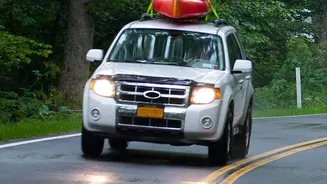
Heavy rain and dense fog are hallmarks of monsoon in the hills, drastically reducing visibility. Your car's wipers, lights, and demisters are essential safety tools. Inspect your wiper blades for any signs of wear and tear; if they leave streaks, replace them immediately. Top up your windshield washer fluid. Before you leave, check that all your lights—headlights, taillights, brake lights, and indicators—are fully functional. Clean headlamps and windshields, both inside and out, can make a huge difference in visibility during a downpour. Using your headlights in the rain, even during the day, helps other drivers see you.
On the Road: The Art of Wet-Weather Driving
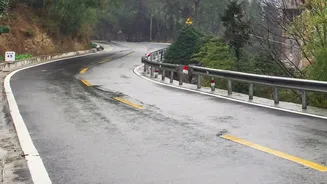
Driving techniques must adapt to wet and winding hill roads. The golden rule is to slow down. Wet roads can double your braking distance, so maintain a much larger gap than usual between your vehicle and the one ahead. Avoid sudden acceleration, hard braking, and sharp turns to prevent skidding. When driving downhill, shift to a lower gear to use engine braking instead of relying solely on your foot brake, which can overheat. On sharp, blind curves, it’s wise to honk to alert oncoming traffic of your presence. Always stay on paved roads and avoid muddy tracks or loose earth, which can be treacherous.
Navigating Hazards: Landslides and Water Crossings
Landslides are a common and serious danger during the monsoon in hilly regions. Heavy rains saturate the soil, making slopes unstable. Be extra vigilant in areas known for landslides and pay attention to local advisories and weather alerts. If you encounter a waterlogged section of road, assess the depth carefully. As a rule, do not attempt to cross if the water is higher than the centre of your wheels, as it can damage your engine and electrical systems. Driving after dark is particularly hazardous due to reduced visibility and the increased risk of encountering unforeseen obstacles like fallen rocks or washed-out road sections.
Pack for Preparedness: Your Monsoon Emergency Kit
Even with the best preparation, things can go wrong. A well-stocked emergency kit is crucial for handling unexpected situations. Key items to include are a tow rope, jumper cables, a powerful flashlight with extra batteries, and a complete first-aid kit. Pack extra food, drinking water, and a power bank for your phone. A reflective warning triangle and a high-visibility vest are also important to ensure you are seen by other motorists if you have to stop on the roadside. Inform a friend or family member of your route and estimated travel time before you leave.