






The Original Blueprint for Glow
First, let's recap. The term 'glass skin' shot to global fame, describing skin so healthy, hydrated, and smooth that it reflects light like a pane of glass. The original path to this aesthetic, popularised by K-beauty, was a meticulous 10-step ritual.
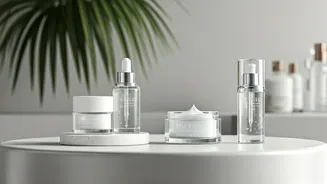
This routine typically involved a double cleanse (oil-based then water-based), exfoliation, toner, essence, serums, a sheet mask, eye cream, moisturiser, and finally, sunscreen. The philosophy was built on layering hydration and targeting concerns with dedicated products, transforming skincare from a basic chore into a form of daily self-care. It wasn't about using more products for the sake of it, but about using the right ones in the right order for long-term health.
The Maximalist Backlash
While the 10-step routine introduced a generation to the importance of ingredients and technique, it also led to what some are calling 'aesthetic burnout'. For many, the daily time commitment, the expense of maintaining a multi-product lineup, and the sheer mental load became overwhelming. More significantly, dermatologists and aestheticians began seeing the side effects of this maximalist approach: irritated skin barriers, sensitivity, and breakouts caused by product overload or incompatible active ingredients. The pursuit of a flawless ideal, often amplified by social media filters, left many feeling that their skin was failing, when in reality, it was simply overwhelmed. It became clear that more does not always equal better.
Enter 'Skinimalism': The New Standard
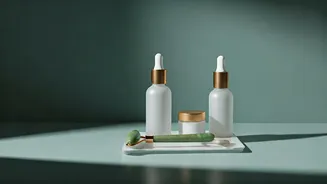
In response to this fatigue, the skincare world is embracing a new philosophy: skinimalism. This trend champions a simplified, more intentional approach. It’s not about abandoning the goal of glass skin, but about achieving it more intelligently. The focus has shifted from the number of steps to the efficacy of the products and the health of the skin's protective barrier. Known as 'Glass Skin 2.0', this evolved approach prioritises multi-functional products, fewer but more potent formulas, and a deep respect for skin's natural functions. Instead of a rigid, one-size-fits-all routine, the new ideal is a streamlined ritual tailored to what your skin actually needs.
The Pillars of Modern Glass Skin
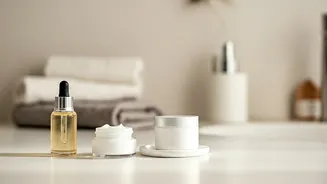
So, how do you get that radiant glow without a bathroom shelf full of products? The modern approach focuses on a few non-negotiable pillars. First is a gentle but thorough cleanse. Second is extreme hydration, often achieved through a 'moisture sandwich' technique of layering a hydrating toner or essence, followed by a serum with ingredients like hyaluronic acid, and sealing it all with a moisturiser. The third pillar is consistent, gentle exfoliation—just once or twice a week—to maintain a smooth texture that can reflect light. Finally, daily sun protection is non-negotiable to prevent damage that dulls the skin. The key is consistency and using smart, multi-tasking formulas that might, for instance, combine hydration with brightening agents like Niacinamide or Vitamin C.
A Holistic Approach to Radiance
The evolution of glass skin also acknowledges that what you put inside your body is as important as what you put on your skin. True radiance comes from a holistic approach that includes adequate hydration (drinking plenty of water), a balanced diet rich in antioxidants, and getting enough sleep. The new 'slow aging' philosophy prioritises long-term skin resilience over short-term, aggressive fixes. It’s a move away from chasing an unrealistic ideal of poreless perfection and towards celebrating skin that looks and feels healthy because it is fundamentally supported and cared for, both inside and out.