




The End of an Era: Goodbye, Passport Stamps
The most significant change for all non-EU travellers, including Indian passport holders, is the full implementation of the Entry/Exit System (EES). As of April 2026, the manual stamping of passports at Schengen Area borders is being phased out. In its
place is an automated IT system that digitally registers your entry and exit. The goal is to strengthen border security, prevent irregular migration, and provide a more accurate and efficient way to track short stays. For travellers, this means a new process at the border, especially on their first visit under the new rules. The system is now active across 29 European countries.
What is the Entry/Exit System (EES)?
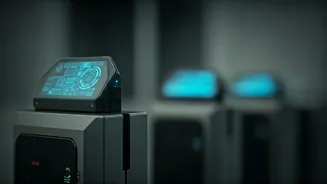
Think of the EES as a digital footprint of your travels in the Schengen Area. When you first arrive at an external Schengen border (like an airport in Paris or Frankfurt), you will need to register your biometric data. This involves a border officer or a self-service kiosk taking a scan of your face and your fingerprints. This data, along with your passport details, is stored for three years. On subsequent trips within that period, the process should be faster, often requiring just a quick biometric scan to verify your identity. The system automatically calculates your stay, ensuring compliance with the 90/180-day rule, which allows for a stay of up to 90 days within any 180-day period. This makes it nearly impossible to accidentally or intentionally overstay.
What About ETIAS?
You might also have heard about the European Travel Information and Authorisation System (ETIAS). It is crucial to understand that ETIAS and EES are two different systems. ETIAS is a pre-travel authorisation, similar to the ESTA required for the United States. It is scheduled to launch in late 2026 and will be required for citizens of over 60 visa-exempt countries, such as the USA, UK, and Canada. Indian passport holders who require a Schengen visa to travel to Europe will not need to apply for ETIAS. Your visa serves as your authorisation to travel. The main change you will experience is the EES process at the border itself.
The New Reality at the Airport
While the long-term goal of EES is to simplify border crossings, the initial rollout has caused significant delays at some European airports. Reports since the system became fully operational in April 2026 describe long queues as travellers get registered for the first time and airports adapt to the new technology. Some hubs have experienced wait times of several hours. In response to the summer travel surge, some countries, including Greece and reportedly Italy, have decided to temporarily suspend the biometric collection to avoid chaos. For Indian travellers, this means it is wise to allow extra time for immigration upon arrival in the Schengen Area, especially if it's your first trip since the EES was introduced. Flying non-stop to your final destination rather than connecting within the Schengen zone can also help minimise the risk of missing a flight due to border delays.
How to Prepare for Your Trip
For Indian travellers, the core visa application process remains largely the same for now, although a unified digital application portal is in the works following the India-EU Mobility Pact signed in January 2026. The key is to be prepared for the new reality at the border. Ensure your passport is valid and be ready to provide your biometric data. Stay informed about the situation at your specific port of entry, as some airports may have different procedures or temporary exemptions in place. While EES marks a significant shift towards digital border management, it doesn't change the fundamental rules of your Schengen visa. The system simply provides a more robust and automated way of enforcing them.