
A Return to Our Roots
A quiet revolution is happening in Indian kitchens. It’s not about replacing age-old recipes but revitalising them. As wellness becomes a priority, a new generation is looking back at the wisdom of our ancestors and giving it a contemporary spin. This
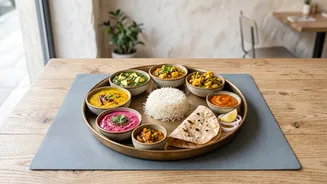
movement isn't about compromising on taste; it's about enhancing nutrition by making thoughtful swaps and rediscovering ingredients that were once staples. The focus is shifting from heavy, ghee-laden preparations to lighter, more balanced meals that still deliver the robust flavours we crave. This isn't just a fleeting trend; it reflects a deeper desire to connect with our culinary heritage in a way that feels relevant and healthy today.
The Mighty Millet Movement
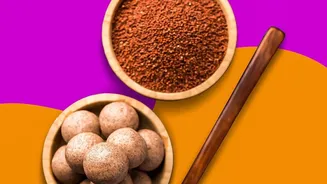
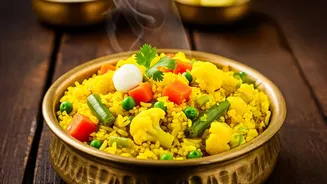
Once considered 'poor man's grain', millets are now the heroes of this culinary transformation. Ragi, jowar, bajra, and foxtail millet are storming back into our diets, celebrated for being gluten-free, high in fibre, and packed with nutrients. Chefs and home cooks are creatively incorporating them into everyday dishes. Imagine starting your day with a fluffy millet upma or a crisp ragi dosa instead of their conventional counterparts. These ancient grains are being used to make everything from khichdi and pulao to guilt-free laddoos sweetened with jaggery. This revival is a powerful reminder that some of the world's most sought-after 'superfoods' have been in our backyards all along.
Healthy Swaps, Delicious Results
This modern makeover is driven by simple yet effective changes. Refined sugars are being replaced by natural sweeteners like jaggery and dates, particularly in traditional sweets. White rice is often swapped for nutrient-dense alternatives like quinoa or cauliflower rice in biryanis and pulaos. The global rise of plant-based eating has also found a natural home in Indian cuisine, which has a rich vegetarian history. Chefs are innovating with plant-based ingredients like jackfruit, which is being used to create mock-meat dishes with a texture surprisingly similar to pulled pork or chicken. Cooking techniques are also evolving, with a preference for baking, air-frying, or grilling over deep-frying for snacks like samosas and pakoras.
Chefs and Cafes Leading the Charge
Across India, a new wave of chefs and wellness-focused cafes are championing this movement. They are diving deep into regional culinary traditions to unearth forgotten recipes and hyperlocal ingredients. At innovative restaurants, you might find dishes like fiddlehead fern stir-fries or pasta made with Bandel cheese instead of ricotta. This isn't about fusion in the old sense—like a chicken tikka pizza—but a more thoughtful reinterpretation of what Indian food can be. These culinary pioneers are proving that Indian food doesn't need to 'translate' itself for a modern audience; its inherent diversity and nutritional wisdom are its greatest strengths.