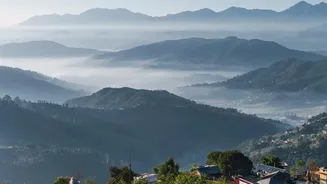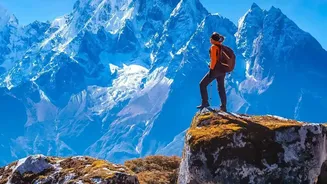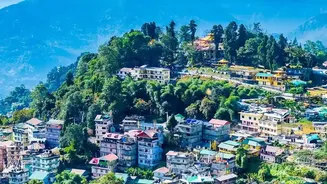

While Gangtok, Tsomgo Lake, and Yumthang Valley draw crowds, Sikkim's true soul whispers from its quieter corners. Beyond the popular routes lie hidden valleys, ancient villages, and pristine lakes that offer a more intimate connection with nature.
Dzongu Valley: A Lepcha Sanctuary
Tucked
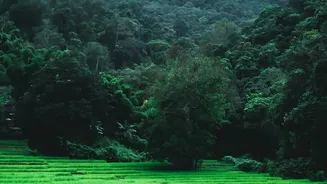
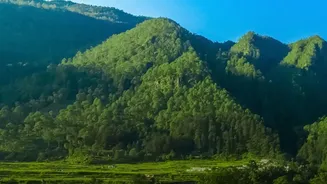
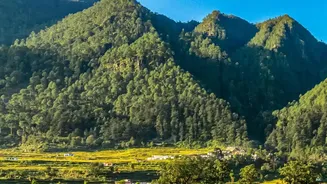
away in North Sikkim, Dzongu is a triangular region bounded by mountains and rivers, designated as a special reserve for the native Lepcha community. This is not a place of hotels and commercial tourism; instead, it offers an immersion into a way of life deeply connected to nature. Visitors stay in traditional homestays, experiencing Lepcha hospitality and cuisine firsthand. The area is a tapestry of dense forests, cascading waterfalls like the Lingzya Waterfall, and natural hot springs hidden in caves. Because it receives fewer tourists and requires a special permit, Dzongu has retained a pristine, almost untouched quality. It's a sanctuary for those seeking solitude, cultural depth, and the quiet thrill of exploring cardamom plantations, trekking through bamboo groves, and discovering a land the Lepchas call 'Mayal Lyang' or the 'Hidden Paradise'.
Yuksom: Where History Meets the Himalayas
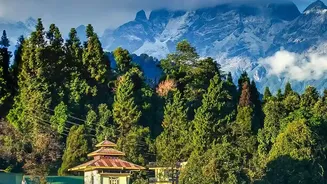
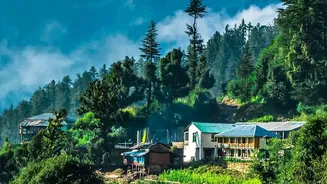
Long before Gangtok became the capital, the story of Sikkim began in Yuksom. This historic village in West Sikkim was the state's first capital, where the first Chogyal (king) was consecrated in 1642. Today, Yuksom is quieter than bustling towns like Pelling, offering a unique blend of history, spirituality, and adventure. It serves as the gateway to Khangchendzonga National Park and the starting point for famous treks to Goechala and Dzongri. But even for non-trekkers, its charm is undeniable. You can walk to the coronation throne at Norbugang Chorten, hike up to Dubdi Monastery (considered one of Sikkim's oldest), or simply enjoy the tranquility of Kathok Lake. Surrounded by forests and steeped in history, Yuksom provides a peaceful atmosphere that feels worlds away from the main tourist circuit.
Zuluk: The Old Silk Route's Zigzag Wonder
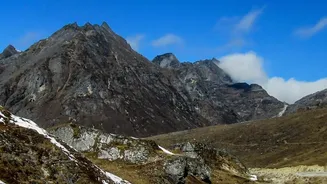
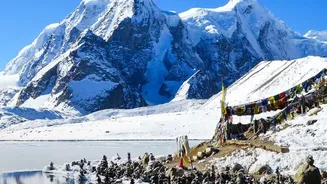
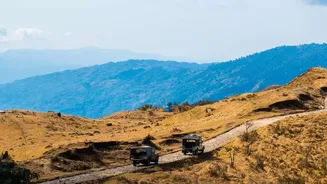
In East Sikkim, Zuluk is a small village that offers a dramatic journey back in time along the historic Old Silk Route. Its main claim to fame is the astonishing series of 32 hairpin bends that snake up the mountainside, a view best captured at sunrise from Thambi View Point. Staying in Zuluk is an experience in itself, with cozy homestays offering a glimpse into life at high altitude. The area is remote and access is regulated through permits, which helps preserve its rugged, expedition-like feel. Beyond the famous road, the journey can be extended to the high-altitude plateau of Nathang Valley, often called the 'Ladakh of East Sikkim', and the serene Kupup Lake. It’s a destination for those who believe the journey is as important as the destination itself, offering unparalleled views and a profound sense of isolation amidst the mighty Himalayas.
Ravangla: A Spiritual Retreat with Panoramic Views
Situated in South Sikkim, Ravangla is a small town that strikes a perfect balance between accessibility and tranquility. While it has gained some popularity, it remains far less crowded than Gangtok or Pelling. Its most iconic landmark is the Buddha Park, featuring a stunning 130-foot statue of the Buddha set against a backdrop of the Himalayas. But the town's quiet charm extends to its surrounding nature. It’s an excellent base for village walks through orchid and cardamom farms, bird-watching, and exploring nearby monasteries like the historic Ralang Monastery. Unlike the ruggedness of North Sikkim, Ravangla offers a softer, gentler beauty, making it an ideal spot for those seeking a peaceful mountain retreat with all the necessary comforts but without the overwhelming crowds.
Barsey Rhododendron Sanctuary: A Forest of Blooms
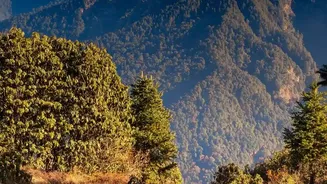
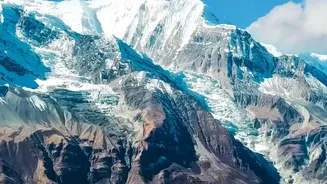
For nature lovers, especially in the spring, the Barsey Rhododendron Sanctuary in West Sikkim is a true paradise. While a sanctuary might not seem 'best-kept', its remote location and focus on trekking keep the crowds at bay. The main draw is the vibrant explosion of rhododendrons that paint the forest in shades of red, pink, and white from March to May. The trails here are relatively gentle, making it accessible even for casual hikers. As you walk through forests of magnolia and oak, you're often rewarded with breathtaking views of the Kanchenjunga range on clear days. It's a place that encourages you to slow down, breathe in the crisp mountain air, and appreciate the simple, overwhelming beauty of the Himalayan flora.