
A New Generation of Lunar Prospecting
The next frontier in space exploration isn't just about landing, but about living off the land. To do that, astronauts need water. While past missions, including India's own Chandrayaan probes, confirmed the presence of water ice, the key question remains:
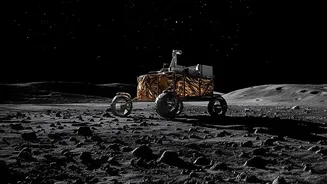
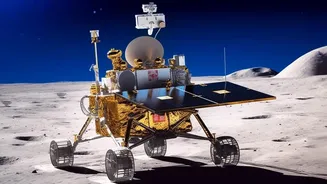
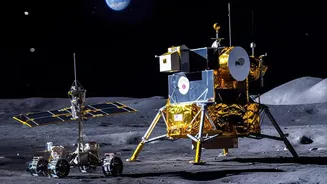
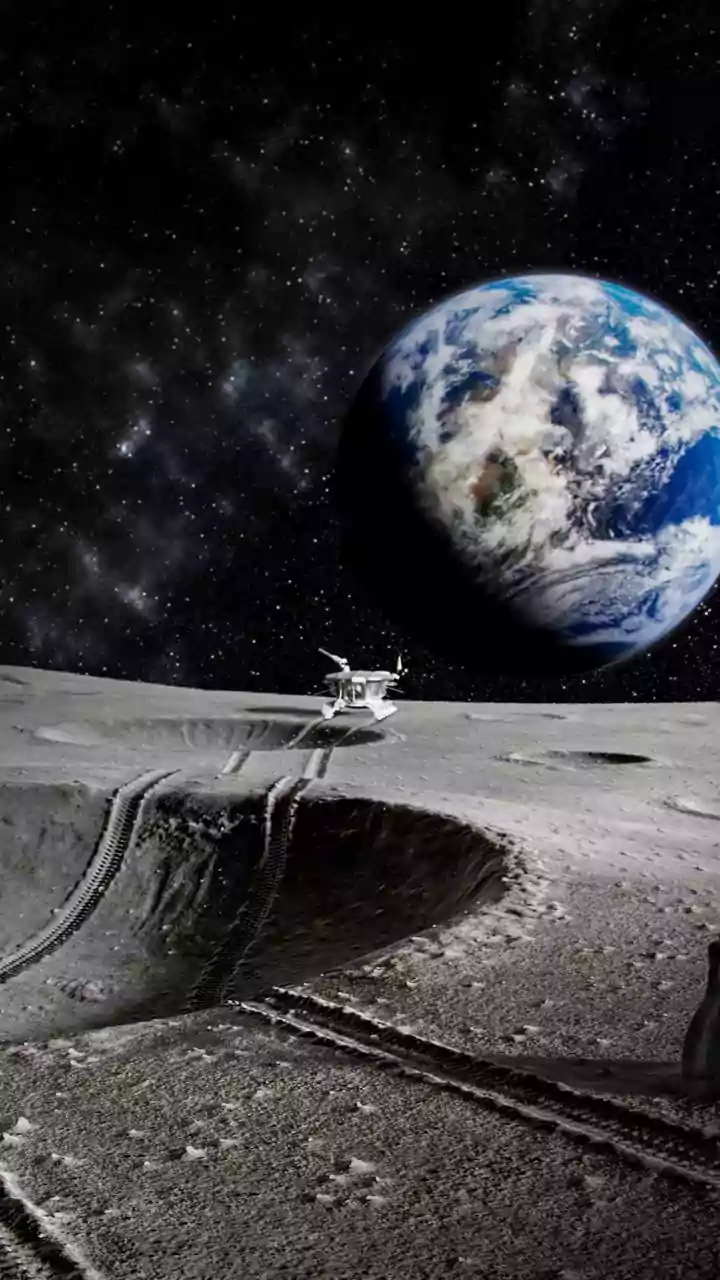
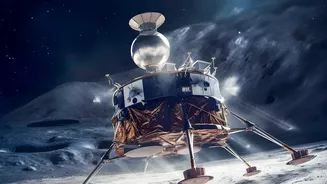
exactly where is it, how much is there, and can we get to it? A new wave of advanced missions is poised to answer these questions. Projects like NASA's Volatiles Investigating Polar Exploration Rover (VIPER) are designed to go beyond orbital scans. This golf-cart-sized robot is a prospector for the space age, equipped with tools to drill into the lunar soil and analyse it on the spot. Its mission is to create the first-ever resource maps of another celestial body, turning estimations into a tangible guide for future extraction.
Seeing Beneath the Dust
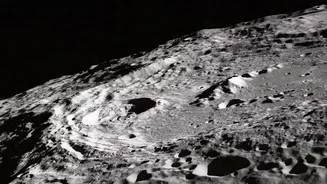
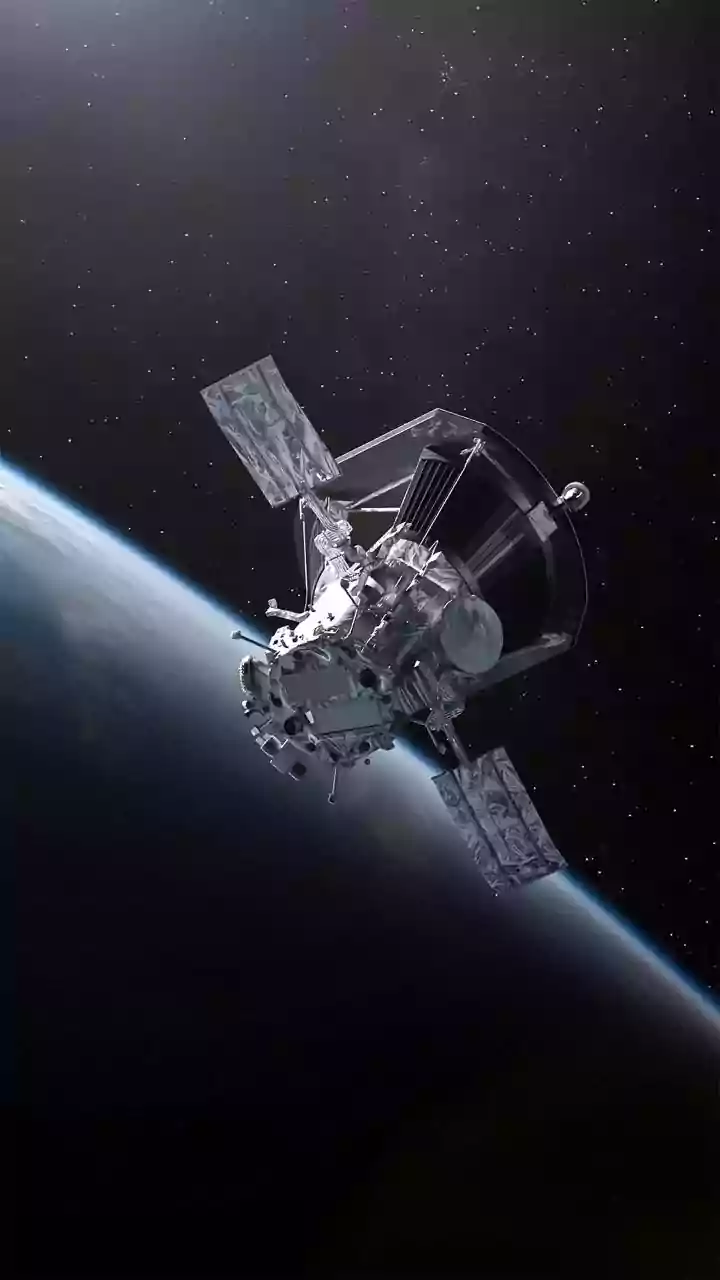
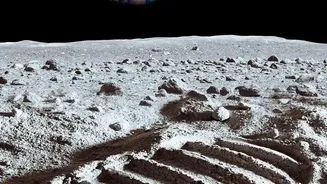
Finding water on the Moon is a high-tech treasure hunt. The most promising locations are permanently shadowed regions (PSRs) near the lunar poles—craters so deep that sunlight has never reached their floors. In these incredibly cold traps, temperatures can plummet below -200°C, allowing water ice to remain frozen for billions of years. Missions are employing a suite of sophisticated sensors to peer beneath the surface. For example, India's Chandrayaan-2 uses a Dual-Frequency Synthetic Aperture Radar to detect tell-tale signatures of subsurface ice. Meanwhile, NASA's VIPER rover will use a neutron spectrometer to detect hydrogen—a key component of water—up to a meter below the ground. It will then drill into promising spots with its TRIDENT drill to confirm the presence of ice directly. Other innovative techniques are also being developed, such as using seismic waves from moonquakes or rover drills to detect how vibrations travel differently through icy versus dry soil.
The Solar System’s Most Valuable Resource
Why is there such an intense focus on finding lunar water? Because water is the ‘oil of space.’ Launching materials from Earth is incredibly expensive, so the ability to use local resources—a concept known as In-Situ Resource Utilization (ISRU)—is a game-changer. Water is essential not just for drinking and growing plants, but for creating breathable air. More importantly, it can be turned into rocket fuel. Using electricity, likely generated by solar panels, water (H₂O) can be split into its constituent elements: hydrogen and oxygen. When liquefied, these two elements form a powerful and efficient rocket propellant. The ability to refuel on the Moon would dramatically lower the cost and complexity of deep-space missions, effectively turning our satellite into a critical refuelling station for journeys to Mars and beyond.
Fueling the Future of Space Exploration
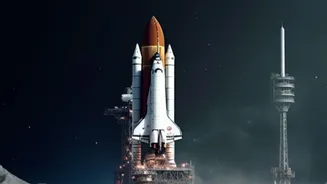
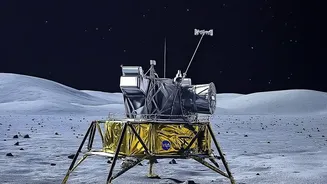
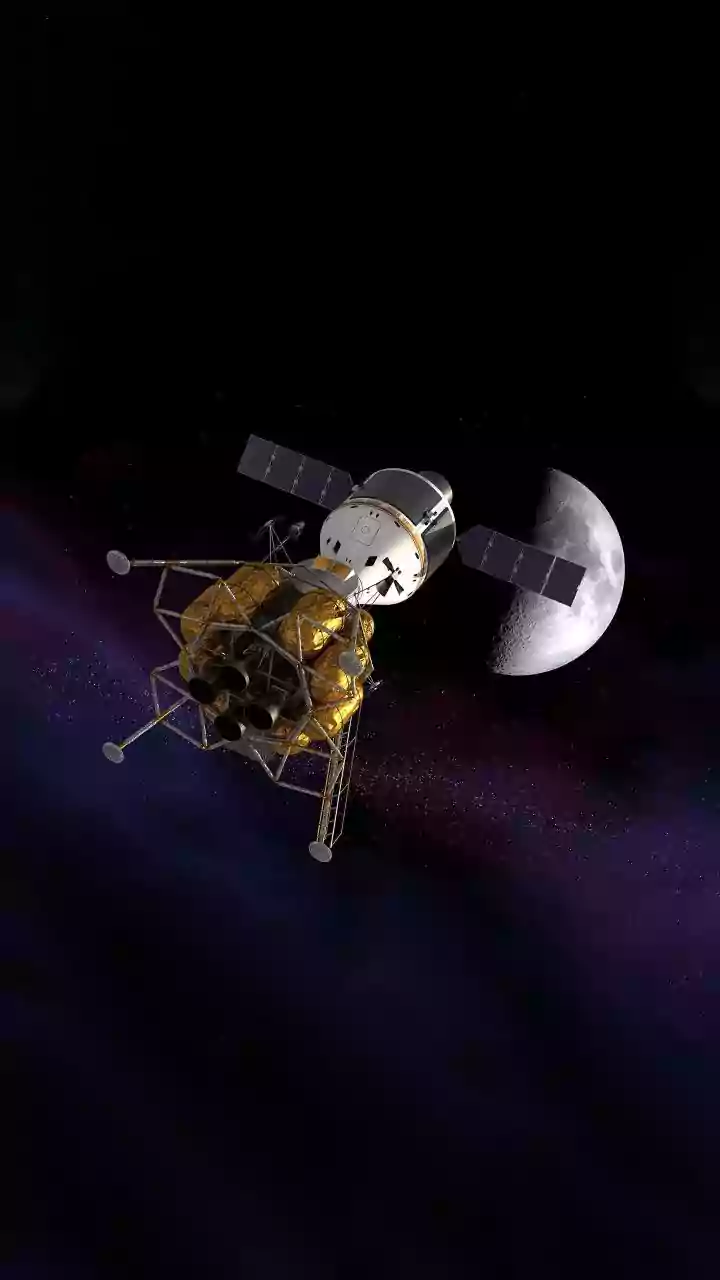
The race to map and access lunar water is a global effort. NASA's Artemis program, which aims to establish a long-term human presence on the Moon, is heavily reliant on these resource maps. The VIPER rover, after a brief cancellation, is back on track for a 2027 launch with Blue Origin's lander. India is also a key player. ISRO is collaborating with Japan's JAXA on the LUPEX mission, which will deploy a rover to the lunar south pole around 2028, carrying a NASA-built neutron spectrometer to hunt for water. Meanwhile, Europe is planning its own ice-prospecting rover mission, MAGPIE, for 2029. These missions represent more than just scientific curiosity; they are laying the groundwork for a bustling lunar economy. By confirming and quantifying these water ice deposits, space agencies and private companies are taking the first practical steps toward building permanent lunar bases, fuelling a new generation of spacecraft, and extending humanity's reach further into the solar system.