







The Great European Visa Headache
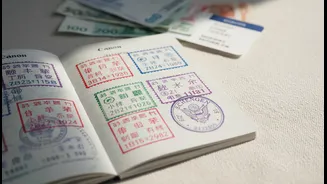
For many aspiring travellers, the dream of a European holiday now begins with a significant hurdle: securing a Schengen visa. In 2026, obtaining an appointment at major centres like Mumbai and Delhi can mean a wait of 10 to 14 weeks. This bottleneck,
coupled with stringent documentation requirements and new digital tracking systems like the Entry/Exit System (EES), has made the process arduous and uncertain. In 2025, India was the third-largest applicant for Schengen visas globally, but faced a rejection rate of nearly 16%, higher than the global average. This visa fatigue is a significant factor pushing travellers towards more welcoming shores.
Asia's Open-Door Policy
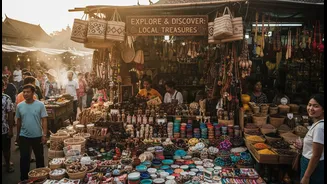
In stark contrast, many Asian nations have rolled out the red carpet for Indian tourists by simplifying their entry rules. Countries like Thailand, Malaysia, and Sri Lanka have introduced visa-free policies, allowing for spontaneous and hassle-free travel planning. Thailand now offers a 60-day visa-free stay, while Malaysia has a 30-day visa-free scheme valid until the end of 2026. Others, like Indonesia and Vietnam, offer simple e-visas or visa-on-arrival options. This ease of access has made Southeast Asia incredibly appealing, turning a once-complex international trip into a decision that can be made just weeks before departure.
The Economics of Travel
Beyond visas, the simple math of travel costs has tilted decisively in Asia's favour. A combination of soaring inflation in Europe, a weaker rupee against the Euro and Pound, and high airfares have made European trips significantly more expensive. Geopolitical tensions have also forced airlines to take longer routes to Europe, driving up flight prices. Conversely, a trip to Southeast Asia is often more budget-friendly, with some analyses suggesting a daily travel cost that is 30-50% lower than in Western Europe. Affordable flights, cheaper accommodation, and lower daily expenses mean a week-long trip to Vietnam or Thailand can sometimes cost less than a premium domestic holiday in India.
More Than Just the Money
The shift isn't purely financial. Shorter flight times to Asia—typically 4 to 6 hours—make it a more convenient option, especially for families and those seeking a quick getaway. There's also a growing desire among younger travellers to explore new and culturally rich destinations beyond the well-trodden European circuit. The rise of destinations like Vietnam, the Philippines, and even Kazakhstan is a testament to this trend. According to travel platform Airbnb, searches for Asian destinations like Osaka and Busan have surged among Indian travellers. The cultural familiarity, diverse cuisine, and unique experiences offered by Asian countries are proving to be a powerful draw.