






Visa Rules for Indian Passports
First, get your documents in order. Both Vietnam and Cambodia require visas for Indian passport holders, but the process is quite straightforward. For Vietnam, the 90-day e-visa is the most convenient option, available for single or multiple entries.
You can apply directly on the official government portal, and it typically takes three to seven working days to process. The fee starts from $25 USD. For Cambodia, you have two simple choices: an e-visa applied for online before you travel, or a visa-on-arrival (VOA) at major airports like Siem Reap and Phnom Penh. Both grant a 30-day stay and cost around $30 USD, with the e-visa carrying a small online processing fee. Regardless of your choice, ensure your passport is valid for at least six months from your date of entry.
Flight Planning and Itinerary
There are currently no non-stop flights from Chennai (MAA) to major hubs in Vietnam or Cambodia. Your journey will involve at least one layover. Popular and efficient one-stop routes are operated by airlines like Scoot, Singapore Airlines, Thai AirAsia, and Malaysia Airlines, often connecting through Singapore, Kuala Lumpur, or Bangkok. When planning, consider a multi-city ticket. A common and logical route is flying into Hanoi (North Vietnam), travelling south through the country to Ho Chi Minh City, and then taking a short flight to either Siem Reap or Phnom Penh in Cambodia. This north-to-south flow in Vietnam prevents backtracking and saves valuable time. Booking well in advance is key to securing better fares on these multi-leg journeys.
Decoding Tour Packages and Costs
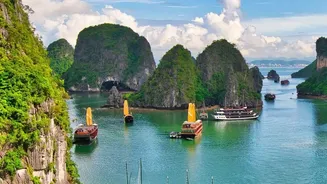
A combined tour package can simplify logistics, but it's vital to read the fine print. Prices for a 10-day trip can range anywhere from ₹65,000 to over ₹1,50,000 per person, so check what's included. Key things to verify are: Does the price include visa fees? Are internal flights (e.g., Da Nang to Ho Chi Minh City or Ho Chi Minh City to Siem Reap) covered? What is the standard of accommodation? A seemingly cheap deal might exclude entrance fees to major sites like Angkor Wat or Ha Long Bay, which can add up significantly. Always compare the itinerary with what you could book independently to ensure you're getting good value.
Health, Vaccinations and Insurance
While no vaccines are mandatory for entry from India, consulting a doctor 4-6 weeks before your trip is highly recommended. Physicians generally advise travellers to be vaccinated against Hepatitis A and Typhoid, which are spread through contaminated food and water. Also, ensure your routine vaccinations like Tdap (tetanus, diphtheria, pertussis) and MMR are up to date. Travel insurance is another non-negotiable. Though not a visa requirement for these countries, it is essential. A good policy provides a safety net for medical emergencies, flight cancellations, and lost baggage. Look for plans that offer at least $50,000 USD in medical coverage with cashless hospitalisation options.
Managing Money: Currency and Payments
Understanding the local currency situation will save you a lot of hassle. Vietnam's official currency is the Vietnamese Dong (VND), and you'll use it for most daily transactions. Cambodia is a bit different; while it has its own currency, the Cambodian Riel (KHR), the US Dollar (USD) is the de facto currency for almost all tourist-related expenses, from hotel bills to tuk-tuk rides and restaurant meals. For Cambodia, it's wise to carry clean, untorn US dollar bills in small denominations. For both countries, have a mix of cash and cards. ATMs are widely available in cities, but they dispense local currency. Inform your bank about your travel plans to avoid your cards being blocked for international transactions.