






More Than Just a Walk in the Park
The simple act of walking has been transformed. Once a solitary activity or a quick errand, it's now a primary social event for many. Organised walking clubs are becoming a fixture in cities and towns across India, attracting a diverse crowd of participants.
For many, these gatherings are a powerful blend of physical activity and social engagement, turning exercise into a fun, anticipated event rather than a chore. This trend reflects a broader shift towards experiences that combine physical and social benefits, offering an approachable entry point for people who might be intimidated by traditional gym environments.
The Search for Connection
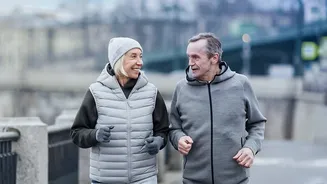
In an increasingly digital world, and in the aftermath of a pandemic that heightened feelings of isolation, people are actively seeking genuine human connection. Walking groups provide a simple, low-pressure environment to meet new people and build a sense of community. The rhythm of walking side-by-side often makes conversation flow more easily, fostering bonds and creating supportive networks. Experts note that being socially connected is one of the strongest predictors of good mental and physical health, making these groups a vital tool for overall well-being. For many, the social aspect is the main draw, providing a remedy for loneliness and a chance to make lasting friendships.
Health, Motivation, and Accountability
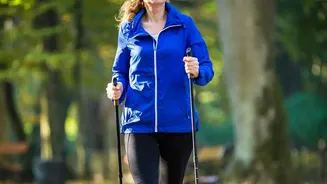
While the social benefits are a huge driver, the health advantages are undeniable. Walking is a low-impact activity suitable for nearly every age and fitness level, helping to reduce the risk of chronic diseases, lower blood pressure, and strengthen muscles and bones. Group dynamics play a crucial role in consistency. When you know a group is waiting for you, you're far more likely to show up. This built-in accountability and mutual encouragement helps members stay on track with their fitness goals. Beyond physical health, walking—especially in natural settings like parks—is proven to reduce stress, improve mood, and boost self-esteem.
The Digital Trailhead
Technology has been a major catalyst for this trend. Social media platforms and messaging apps like WhatsApp have made it incredibly easy to organise, promote, and manage walking groups. A simple post can attract dozens, or even hundreds, of participants. Fitness influencers and community leaders use platforms like TikTok and Instagram to create inclusive groups, often targeting specific demographics like young professionals or women, which further fuels their popularity. This digital-to-physical pipeline allows people to find their tribe and turn online connections into real-world friendships.
An All-Access Wellness Club
Perhaps the biggest reason for the boom in walking groups is their accessibility. Unlike exclusive gyms or expensive workout classes, joining a walking group is typically free and requires no special equipment beyond a comfortable pair of shoes. This inclusivity opens the door to a wide range of people, from students and young professionals to families and retirees. The focus is on movement and community, not performance, creating a welcoming space for everyone. This trend signifies a broader cultural shift where fitness is seen less as a scheduled, intense activity and more as a natural and enjoyable part of daily life.