


Essential Clothing: Layer Up and Stay Dry
The golden rule for clothing in the Western Ghats is to choose quick-drying fabrics and avoid cotton at all costs. Cotton absorbs moisture, gets heavy, and takes a long time to dry, increasing the risk of discomfort and chills. Instead, opt for synthetic
materials like polyester or nylon for your t-shirts and trekking pants. Full-sleeved shirts and full-length pants are highly recommended as they offer protection not just from the sun but also from thorny bushes and insects. Layering is crucial. A light fleece jacket can provide warmth during chilly evenings or at higher altitudes, while a windproof or rain jacket is non-negotiable for unpredictable showers and strong winds at the summits. It’s also wise to pack an extra set of clothes in a waterproof dry bag. This ensures you have something warm and dry to change into after a long day on the trail, which can be a huge morale booster.
Footwear: Your Most Critical Gear Choice
The terrain in the Sahyadris is largely composed of volcanic basalt rock, which becomes incredibly slippery when wet. This makes your choice of footwear the single most important decision for a safe trek. Regular sports shoes or sneakers with flat soles are dangerous and should be avoided. Invest in a pair of dedicated trekking shoes with high-ankle support and deep grooves or aggressive outsoles for maximum grip on wet and mossy surfaces. Ankle support helps prevent twists and sprains on uneven trails. Equally important are your socks. Again, avoid cotton. Choose synthetic or wool-blend socks that wick moisture away from your skin, which is the best way to prevent blisters. It's a good idea to carry at least one extra pair of dry socks.
Monsoon Protection: Keeping Yourself and Your Gear Dry
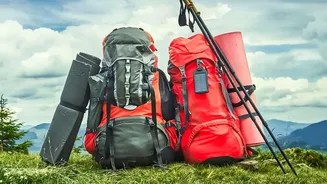
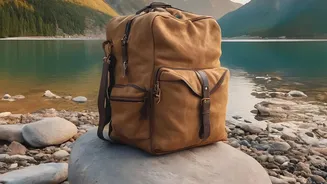
Rain in the Western Ghats can be persistent and heavy. A simple umbrella won't suffice. A high-quality poncho or a waterproof rain jacket and trousers are essential. A poncho is often preferred because it's large enough to cover both you and your backpack. Even if your backpack claims to be water-resistant, it needs a dedicated rain cover. For an extra layer of protection, use dry bags or even thick plastic bags inside your backpack to compartmentalise and protect your electronics, wallet, and spare clothes. A waterproof pouch for your phone is a small but invaluable investment. These measures ensure that even if you get drenched, your critical gear remains functional and your dry clothes stay dry.
The Inevitable Leeches: How to Prepare and Protect
During the monsoon, leeches are an unavoidable part of the Western Ghats experience. While they are largely harmless, they can be a nuisance. The best defence is prevention. Wearing full-length trousers and tucking them into your socks creates a physical barrier. Anti-leech socks, which are knee-length and made of thick fabric, are also a very effective option. Many trekkers apply a repellent before starting. You can use a Dettol or Savlon solution, tobacco mixed with oil, or even lemon juice on your shoes and socks. Carrying a small pouch of salt or a sanitiser is useful for easily removing any leeches that do latch on. It is important not to pull them off, as their mouthparts can get left behind. After a bite, clean the area with an antiseptic to prevent infection.
First-Aid and Navigation: Be Self-Sufficient
A well-stocked personal first-aid kit is a must. It should contain antiseptic wipes, bandages for cuts and blisters, pain relief spray, gauze, and any personal medications. Including oral rehydration salts (ORS) is crucial to combat dehydration and fatigue. For navigation, do not rely solely on your mobile network, which can be patchy or non-existent in remote areas. Download offline maps on your phone before you start. Always carry a fully charged power bank, as navigation apps can drain your battery quickly. A headlamp or a torch with extra batteries is essential, as mist and rain can reduce visibility, and you might find yourself trekking after dusk.