





Why the Monsoon is a Minefield
Before we get to the checklist, it's important to understand why the rainy season poses a greater risk. High humidity and moisture in the air accelerate bacterial and fungal growth on food that is left exposed. [2, 19] Heavy rains can lead to waterlogging
and contamination of water sources, including the tap water used by many vendors for cooking and cleaning. [5, 18] This creates a perfect storm for foodborne illnesses like typhoid, cholera, gastroenteritis, and jaundice. [16, 17] Flies and other pests are also more abundant, easily transferring germs from drains to uncovered food. [2]
Rule 1: Prioritise Piping Hot and Freshly Cooked
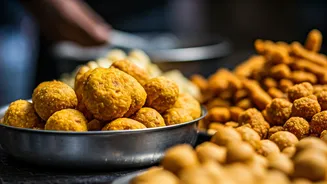
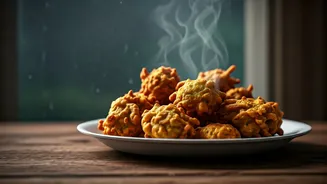
This is the golden rule. Heat kills most of the harmful bacteria and viruses that cause disease. [7, 2] Always choose food that is cooked or fried fresh in front of you and served steaming hot. [5, 13] Items like freshly fried pakoras, roasted bhutta (corn on the cob), hot steamed momos, and fresh dosas are generally safer bets. [2, 7, 11] Avoid food that has been pre-cooked and is sitting in trays, even if it looks warm. The risk of contamination accumulates as the food cools down. [2]
Rule 2: Be Wary of Water and Chutneys
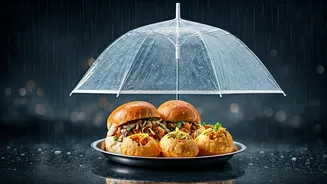
The single biggest risk factor during the monsoon is contaminated water. [18] This makes items like pani puri, where the 'pani' is often made from unboiled tap water, extremely risky. [4, 9, 10] The same goes for ice golas or any street-side juices and lemonades where the water source is unknown. [3, 10] Raw chutneys (pudina, coriander) are another major source of contamination, as they are often made with unpurified water and can sit for hours, allowing bacteria to multiply. [2, 5, 10] It's safer to skip these or opt for dry spices instead. [9]
Rule 3: Avoid Pre-Cut Fruits and Raw Salads
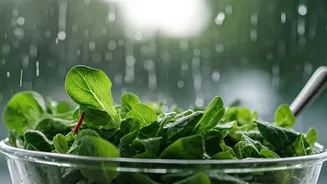
That healthy-looking fruit chaat might be tempting, but it’s best avoided. Fruits and vegetables that are cut and left exposed to the humid air are prime targets for flies and germs. [3, 4] There's no guarantee they were washed with clean water before being cut, and the longer they sit, the higher the risk of spoilage and contamination. [12] If you're craving fruit, buy whole fruits, take them home, and wash them thoroughly yourself before eating. [8]
Rule 4: Assess the Vendor and Their Stall
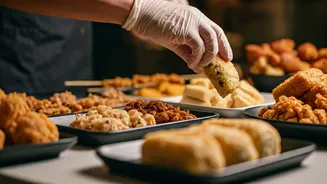
Take a moment to observe the vendor's practices. A clean stall with covered ingredients and proper waste disposal is a good sign. [5] Look for vendors who are actively cooking to order, rather than serving from large, pre-made batches. [2] Pay attention to their personal hygiene: are they using gloves or washing their hands between handling money and food? [7] A vendor who follows basic hygiene is a much safer choice, even if their stall looks simple. [2] Avoid any vendor using dirty cloths or repeatedly using the same oil for frying. [4, 7]
Rule 5: Know Your High-Risk and Low-Risk Foods
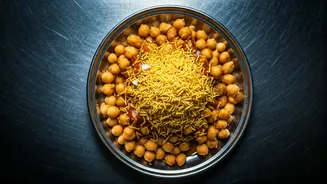
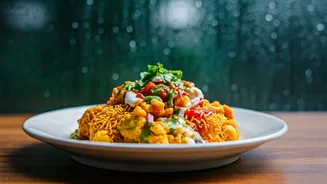
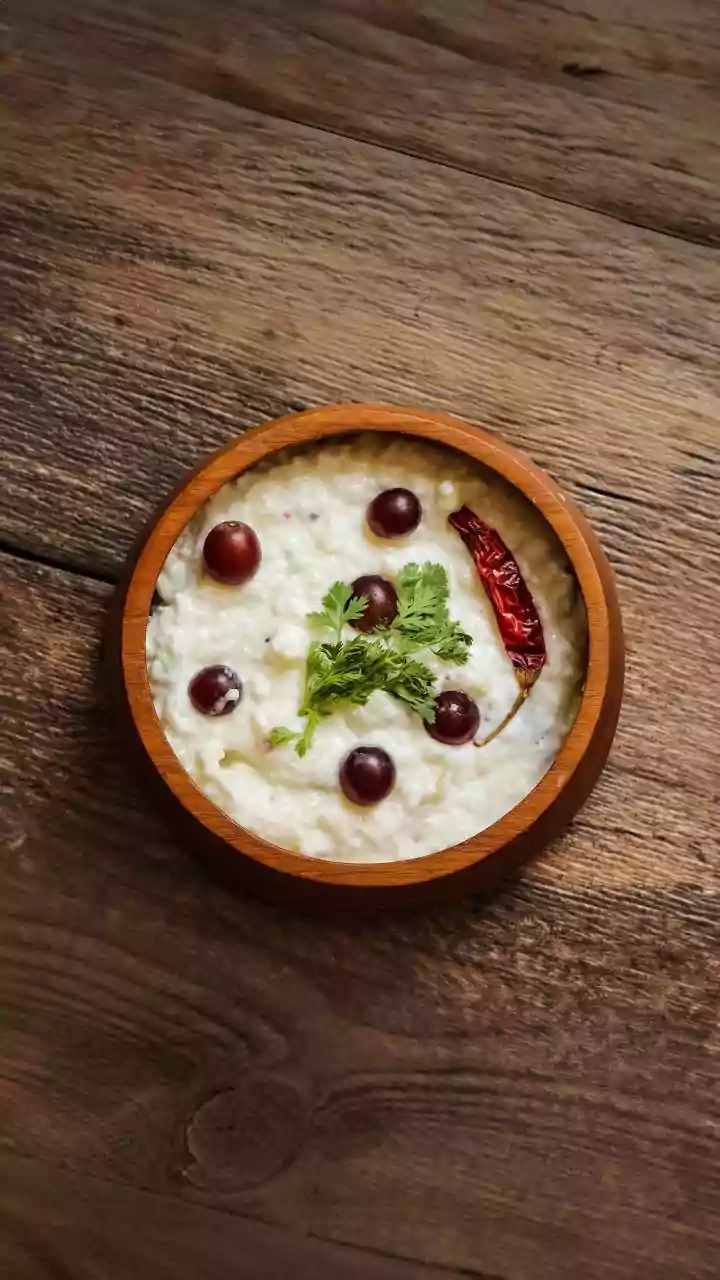
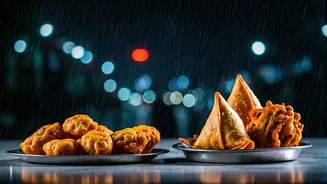
Not all street food is created equal in the monsoon. **High-Risk Foods to Avoid:** * Pani Puri, Bhel Puri, and Chaats with watery chutneys [3, 4, 9] * Pre-cut fruit salads and raw vegetable salads [3, 12] * Juices, Shakes, and Ice Golas from street stalls [3, 10] * Dahi-based items like Dahi Bhalla, as curd can spoil quickly [3] **Safer Options to Enjoy:** * Roasted Corn on the Cob (Bhutta) [2, 13] * Hot, freshly fried Pakoras, Samosas, or Bhajiyas [11] * Steaming hot Momos or Idlis [9, 11] * Hot Masala Chai or Coffee from a clean stall [11] * Grilled Sandwiches or Anda Bhurji made to order [11, 13]