
Why Daily Practice Matters
Before diving into the poses, it's important to understand that consistency is more crucial than intensity. Even 10-15 minutes of gentle stretching each day can yield more significant results than one long, infrequent session. Regular yoga practice not
only improves your flexibility and range of motion but also enhances balance, strengthens muscles, and calms the mind. Studies have shown that people can improve their flexibility by up to 35% after just eight weeks of consistent yoga. The goal isn't to achieve pretzel-like poses overnight, but to create a sustainable habit that allows your body to gradually open up, reducing the risk of injury and promoting long-term health.
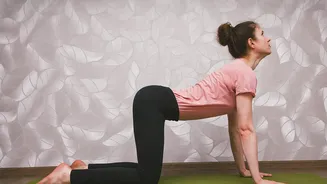
Marjaryasana-Bitilasana (Cat-Cow Pose)
This gentle, flowing movement is the perfect way to warm up your spine and connect with your breath. It relieves tension in the back and neck, making it ideal after long hours of sitting. To begin, position yourself on all fours, with your wrists directly under your shoulders and your knees under your hips. As you inhale (Cow Pose), let your belly drop towards the floor, lift your chest and chin, and look upward. As you exhale (Cat Pose), press into your hands, round your spine toward the ceiling, and tuck your chin to your chest. Flow between these two poses for about a minute, letting your breath guide the movement.
Adho Mukha Svanasana (Downward-Facing Dog)
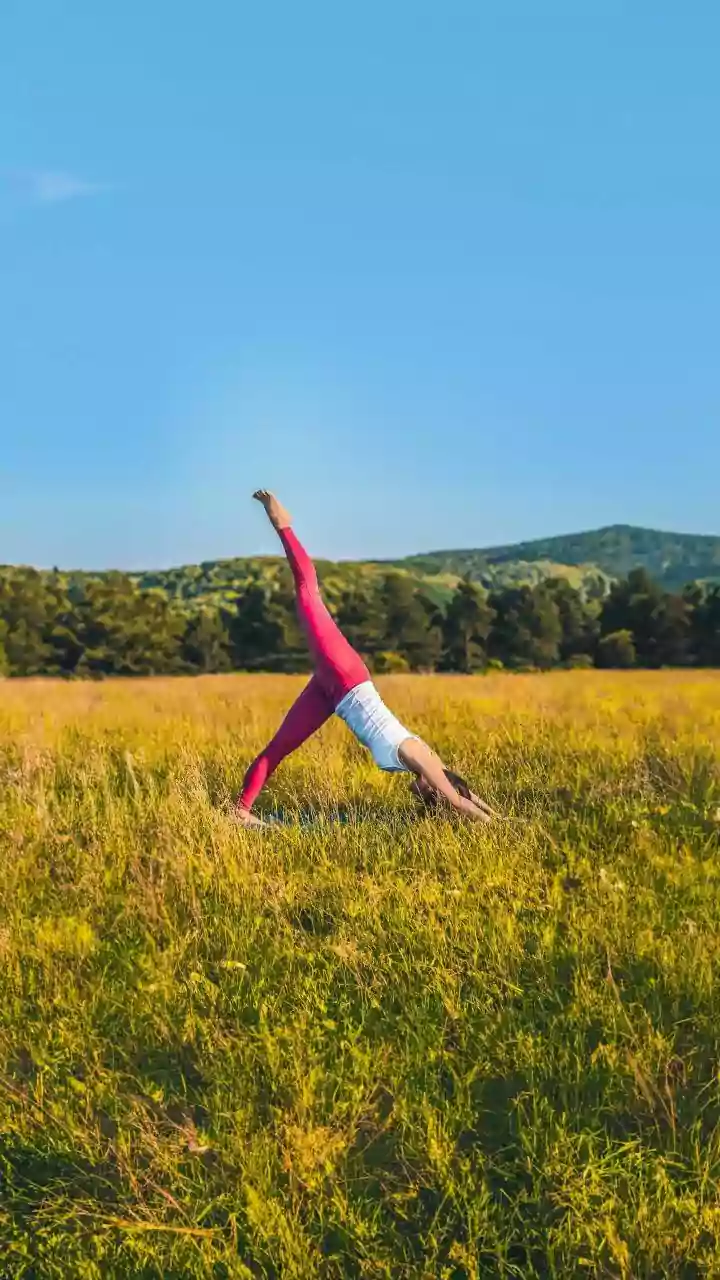
Arguably one of the most recognized yoga poses, Downward-Facing Dog is a full-body stretch that energizes and restores. It lengthens the spine, opens the shoulders, and provides a deep stretch for the hamstrings and calves. Start on your hands and knees. Tuck your toes and lift your hips up and back, forming an inverted 'V' shape with your body. Spread your fingers wide and press firmly into your palms. It's common for beginners to have tight hamstrings, so feel free to bend your knees generously to prioritize a long, straight spine. Relax your head and neck, and breathe deeply for 30 to 60 seconds.
Trikonasana (Triangle Pose)
Triangle Pose is a fantastic standing posture for enhancing flexibility throughout the body, especially in the hips, groin, hamstrings, and spine. It also helps to strengthen the legs and core. To practice it, stand with your feet about 3-4 feet apart. Turn your right foot out 90 degrees and your left foot in slightly. Extend your arms parallel to the floor. Hinge at your right hip and reach forward, then lower your right hand to your shin, ankle, or a block. Extend your left arm toward the ceiling, creating a straight line with your right arm. Gaze up at your left hand if it's comfortable for your neck. Hold for about 30 seconds before repeating on the other side.
Paschimottanasana (Seated Forward Bend)
This pose offers a deep stretch for the entire back of your body, from your calves to your hamstrings and spine. It is also known to calm the nervous system and relieve stress. Sit on the floor with your legs extended straight in front of you. You can sit on the edge of a folded blanket to help tilt your pelvis forward. Inhale to lengthen your spine, and as you exhale, hinge at your hips and begin to fold forward. Keep your back straight for as long as you can. You can hold onto your shins, ankles, or feet, depending on your flexibility. Remember to bend your knees as much as you need to avoid straining your lower back. Hold the pose and breathe for 1-3 minutes.
Setu Bandhasana (Bridge Pose)
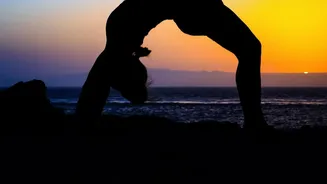
Bridge Pose is a gentle backbend that stretches the chest, neck, and spine while strengthening the glutes and back muscles. It's an excellent counter-pose to forward bends and the effects of prolonged sitting. Lie on your back with your knees bent and feet flat on the floor, hip-width apart. Place your arms alongside your body with your palms facing down. Press into your feet and lift your hips off the floor. You can clasp your hands together underneath your back and roll your shoulders under for a deeper chest opening. Keep your thighs parallel and hold for up to a minute while breathing steadily.