




The Allure and Peril of Monsoon Ghats
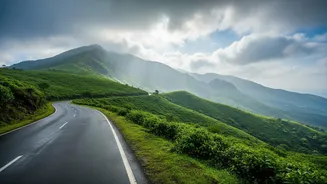
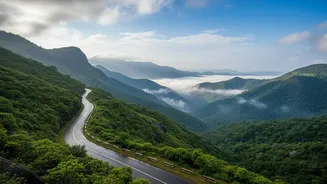
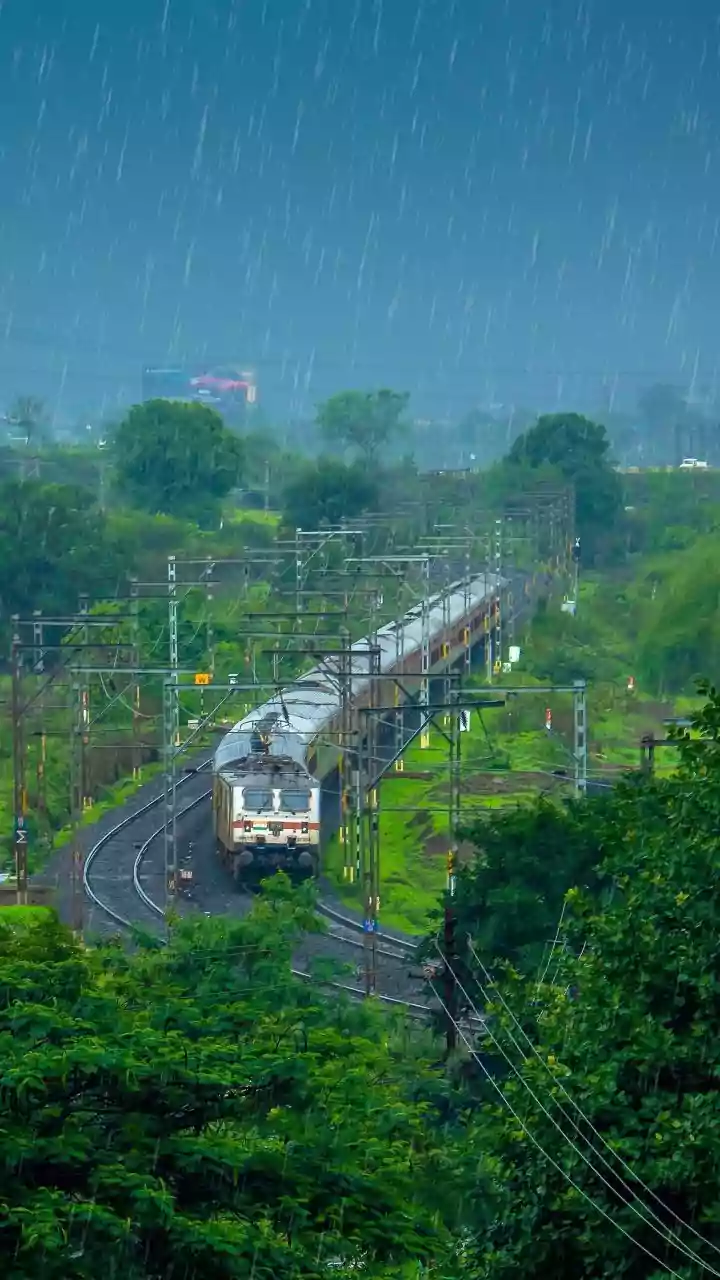
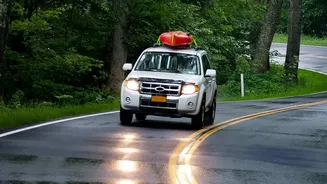
Driving through the Western Ghats as the monsoon breathes life into the landscape is a quintessential Indian road trip experience. Waterfalls cascade down hillsides, and a cool mist hangs in the air. However, this beauty conceals significant dangers,
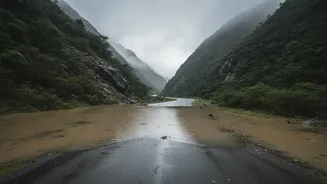
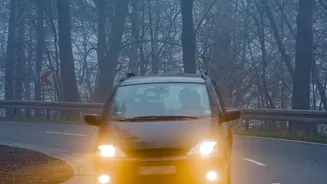
especially after dark. Heavy rains can cause slippery roads, which drastically increase braking distances. Visibility often drops to near-zero in sudden downpours or dense fog. The most severe threats are landslides and flash floods, which can block roads or wash away sections of the highway, leaving drivers stranded in remote areas with no network coverage. These risks are amplified at night when it's harder to spot hazards like potholes hidden by water, fallen trees, or debris on the road.
Your Digital Co-Pilot: More Than a Map
Modern navigation apps are far more than digital maps; they are powerful safety tools. For overnight monsoon drives, their value lies in providing real-time information that helps you anticipate and avoid hazards long before you encounter them. Apps like Google Maps, Waze, and MapmyIndia use crowdsourced data from other drivers to provide live updates on traffic conditions, accidents, and road closures. This functionality transforms your phone from a simple directional guide into a dynamic risk-assessment tool, which is indispensable when navigating the unpredictable nature of ghat roads during heavy rains.
Essential Features for a Safer Journey
To make the most of your navigation app, you need to use its features proactively. First and foremost, download offline maps of your entire route before you leave. Mobile connectivity is notoriously unreliable in the ghats, and having the map data saved on your device ensures you won't get lost if your signal drops. Second, enable real-time traffic alerts. These updates are your best chance of being warned about a fresh landslide or a sudden road blockage ahead, giving you time to find an alternative route. Finally, use the 'Share Trip Progress' or 'Live Location' feature. Sharing your live location with a family member or friend means someone always knows where you are, your estimated time of arrival, and can alert authorities if you stop moving unexpectedly for a prolonged period.
Know the Limits of Technology
While route tracking is a fantastic aid, it's crucial to understand its limitations. GPS signals can be weak or inaccurate in deep valleys or during intense cloudbursts. Furthermore, real-time traffic data depends on other users being on the road ahead of you. If you are one of the first to encounter a fresh landslide, your app won't know about it yet. Technology should never replace driver judgment. Always drive at a reduced speed, maintain a safe distance from the vehicle in front, and be prepared for unpredictable conditions. If a road looks flooded, do not attempt to drive through it, regardless of what your navigation app says. The golden rule of monsoon driving is to turn back when in doubt.
Combine Tech with Timeless Precautions
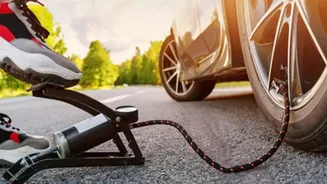
The safest approach is to blend modern technology with classic driving wisdom. Before you even start the engine, perform a thorough vehicle check—especially your tyres, brakes, and wipers. Good tyre tread is non-negotiable for maintaining grip on wet, slippery roads. Always inform someone of your planned route and expected arrival time. Plan to finish most of your ghat section driving during daylight hours, as visibility drops significantly after dusk. Use low gears when descending steep slopes to avoid overheating your brakes. Honk on blind curves, a standard practice in the hills that becomes even more critical in low visibility. By pairing the foresight offered by route tracking with these fundamental safety habits, you can confidently and safely enjoy your monsoon drive.