




The End of the ‘Guest-Only’ Sofa
Remember the living room that was perpetually guest-ready? The one with the imposing sofa set, perhaps still in its plastic delivery cover, and a centre table that was more sculpture than surface. For generations, this room was the social face of the family,
designed to communicate affluence and status. The bigger the room and the more ornate the furniture, the greater the impression of luxury. This space was less about daily living and more of a domestic museum, admired from a distance and used only on special occasions. Functionally, it was a room designed for performance, where the family’s finest possessions were displayed but rarely enjoyed. This idea of the living room as a formal chamber is now rapidly fading.
The New Definition of Luxury: Comfort and Character
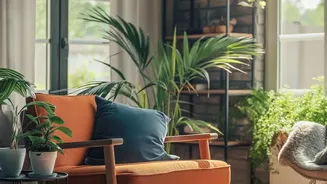
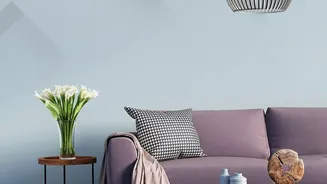
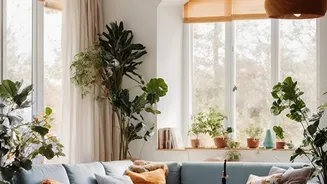
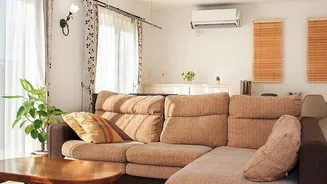
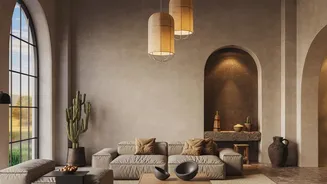
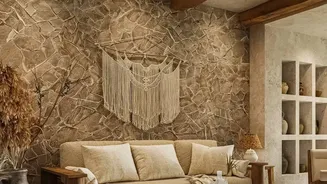
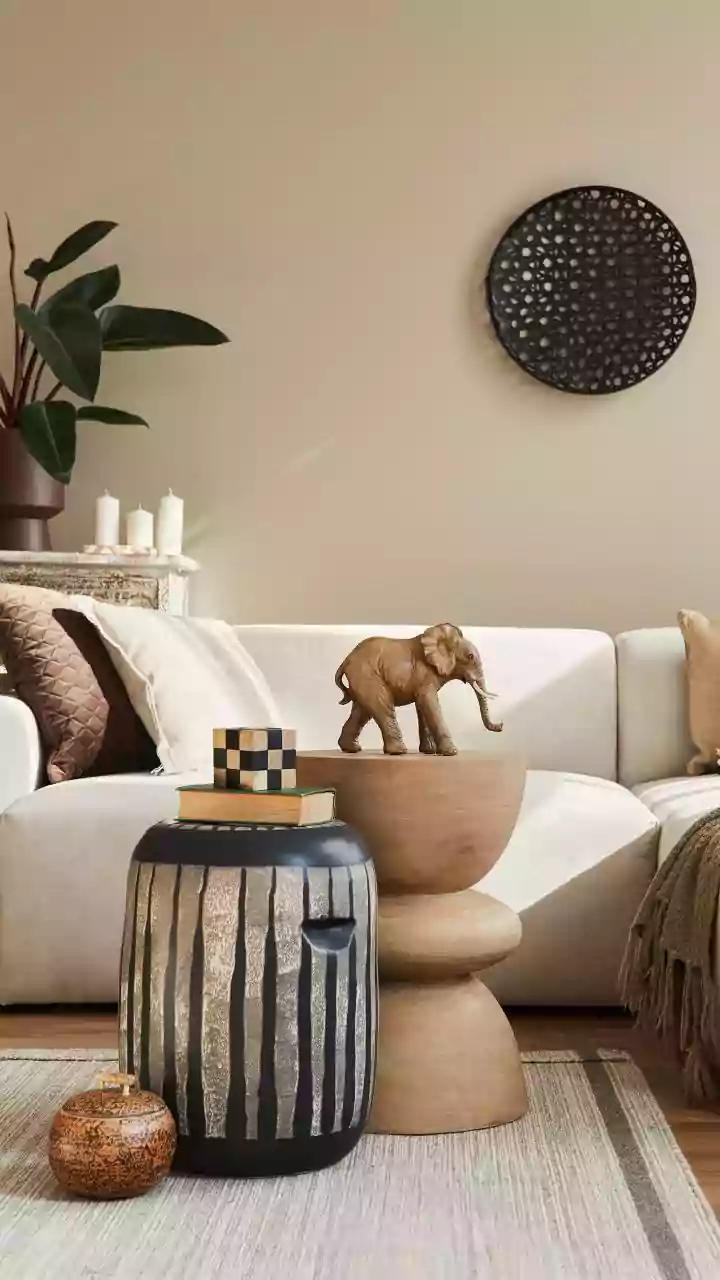
The contemporary shift is towards a living room that is, above all, human. The new measure of luxury isn’t just about square footage but how beautifully and functionally a space is inhabited. This ‘lived-in’ approach prioritises comfort, personality, and experience over mere display. It’s a move from homes that feel staged to ones that feel authentic and warm. This translates into choices like sofas with soft, durable fabrics you can actually relax on, layouts that encourage conversation, and the use of natural, tactile materials like wood and textured fabrics that feel good to touch. The focus is on creating an atmosphere, a sense of calm and well-being, rather than simply announcing wealth.
Why the Change? A Post-Pandemic Mindset
Several factors are driving this transformation, but the most significant is our changing relationship with our homes, accelerated by the pandemic. When the home became the office, school, and sanctuary all at once, every square foot had to earn its keep. A formal living room that stayed empty most of the week suddenly seemed like a waste of valuable space. Homeowners began to demand more from their spaces, requiring flexibility and multi-functionality. This psychological shift means people are questioning the inherited social roles of each room. The living room is now expected to be a reading nook, a movie theatre, a workspace, and a place for casual family gatherings—sometimes all in the same day.
Practicality in Practice: Smart and Flexible Choices
This new mindset is reflected in the furniture and decor choices homeowners are making. Instead of a single, oversized sofa dominating the room, people are opting for more flexible arrangements. This includes modular seating, comfortable armchairs for creating reading corners, and multi-functional pieces like coffee tables with hidden storage or sofa beds. Sharp-edged, boxy furniture is giving way to softer, curved silhouettes that are easier to navigate and make a room feel less rigid. There's also a renewed appreciation for durability and craftsmanship, with a return to solid woods like teak and sheesham over high-gloss, synthetic finishes that feel cold and impersonal. The goal is a curated space that suits family needs for work, relaxation, and entertainment.
Making the ‘Lived-In’ Look Your Own
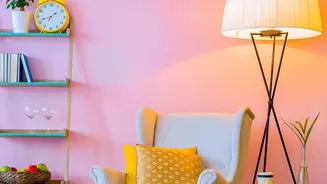
Embracing this trend doesn’t require a complete overhaul. It's about making deliberate choices that reflect your life, not a catalogue. Start by editing what you own; a common mistake is over-decorating, where every surface is filled, creating visual exhaustion. Leaving some negative space allows the pieces you love to breathe. Incorporate personal items—family photos, art collected over time, and meaningful objects—to tell your story. Swap out heavy, formal drapery for lighter curtains that allow natural light. Finally, focus on tactile layers: a soft rug, comfortable cushions, and warm, layered lighting. The aim is to create a room that feels like a welcoming retreat for you and your family, not just a formal setting for visitors.