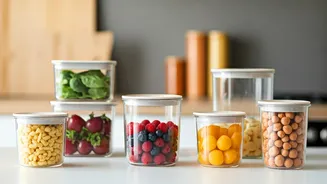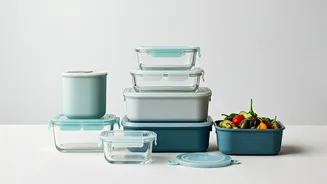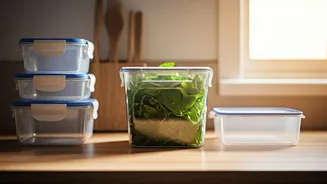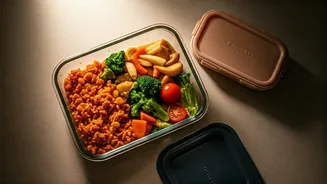






Why the Sudden Buzz?
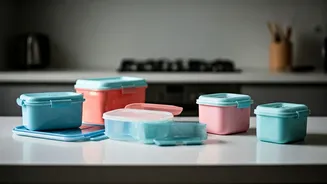
The shift in conversation isn't just about aesthetics; it's a direct response to growing health consciousness. Many have become wary of conventional plastic containers, especially when heated, due to the potential for chemicals like BPA and phthalates
to leach into food. Studies have shown these substances can act as endocrine disruptors, which interfere with the body's hormones. Even products marketed as "BPA-free" might contain substitutes like BPS, which some research suggests could be just as concerning. This has pushed consumers to seek out alternatives that offer peace of mind, sparking a trend towards materials that are inert, durable, and verifiably non-toxic.
Decoding Safer Materials
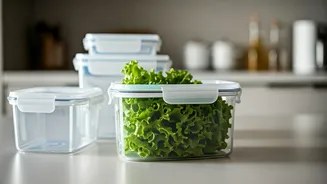
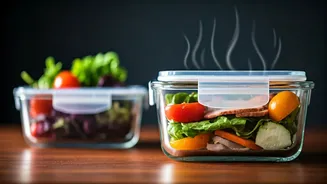
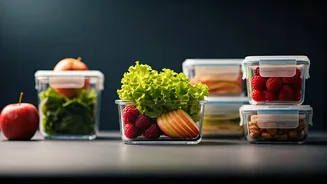
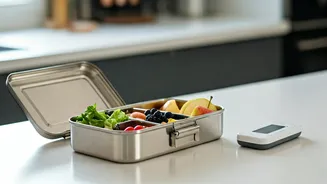
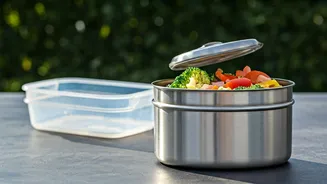
When upgrading your lunch container, the material is the most important consideration. Stainless steel is a popular choice because it's extremely durable, lightweight, and won't absorb odors or stains. High-quality, food-grade stainless steel is non-toxic and won't leach chemicals. Glass is another excellent option, prized for being non-porous and microwave-safe, meaning it won’t release chemicals or affect the taste of your food. Its main drawbacks are its weight and fragility. Food-grade silicone has also emerged as a flexible, lightweight, and safe alternative, often used for lids and collapsible containers, but it's crucial to ensure it's 100% food-grade without fillers.
Features That Enhance Food Safety
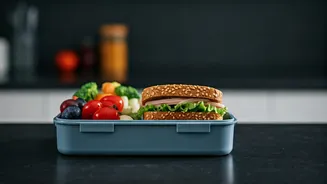
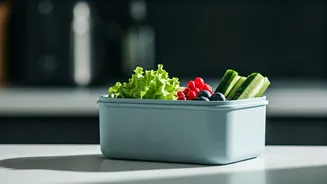
Beyond the material itself, certain features contribute significantly to a safer lunch. Insulated bags and containers are crucial for keeping perishable foods at a safe temperature—cold foods cold and hot foods hot—to prevent bacterial growth. The USDA recommends using at least two cold sources (like gel packs) to keep food safely chilled. Leak-proof seals are another essential feature, not just for preventing messy spills in your bag, but for avoiding cross-contamination between different food items. Many modern lunchboxes also feature separate compartments, bento-style, which helps keep foods fresh and portions controlled.
The High-Tech Lunchbox Arrives
Adding to the office chatter are new, technologically advanced lunchboxes. Self-heating or electric lunchboxes are becoming increasingly popular, offering the ability to enjoy a hot meal without a communal microwave. These devices typically plug into a wall outlet or a car adapter to gently heat pre-cooked food to a safe temperature, usually around 170-180°F. Many are designed with safety features like automatic temperature control and steam vents. While they take longer than a microwave, they offer convenience and ensure your meal is heated evenly. Some newer models even include features like UV lights to eliminate bacteria and odors.