





The Science of Scent and Flavour
We're taught that taste happens on the tongue, which can identify five basic sensations: sweet, salty, sour, bitter, and umami. But this is only a fraction of the story. Scientists estimate that up to 80% or even 90% of what we perceive as 'flavour' is actually
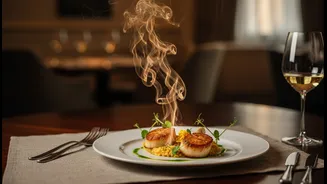
derived from our sense of smell. This happens through a process called retronasal olfaction. As you chew, food releases volatile compounds that travel from your mouth up into your nasal cavity. These aromatic molecules are detected by olfactory receptors, which send signals to the brain that merge with the basic tastes from your tongue to create a complete flavour profile. This is why food seems bland and boring when you have a cold; your tongue is working fine, but your blocked nose prevents those crucial aromatic compounds from reaching their destination.
Your Brain Loves a Good Smell
The power of aroma goes even deeper than flavour perception. The olfactory bulb, the part of the brain that processes smells, has a direct and ancient connection to the limbic system, which governs emotion and memory. This is a unique neural pathway; unlike information from your eyes or ears, smells get routed straight to your brain’s emotional centers. This explains why the scent of a certain dish can instantly transport you back to your childhood or why the smell of coffee brewing feels so comforting. Food doesn't just feed our bodies; its aroma feeds our memories and emotions, creating a rich, multi-sensory experience that a simple dash of salt can't replicate. The discipline of 'neurogastronomy' studies this profound link between what we smell, taste, and feel.
Building an Aromatic Foundation
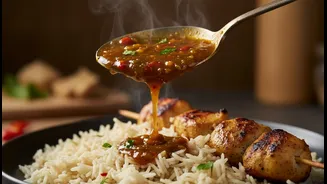
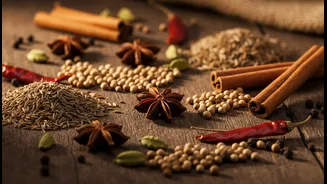
Professional chefs understand this principle intuitively. Many of the world’s great cuisines begin not with salt, but with aromatics—combinations of vegetables and herbs heated in fat to build a deep base of flavour. Think of the classic French mirepoix (onion, celery, carrot), the Italian soffritto (which often adds garlic), or the sizzling of cumin seeds, onion, and ginger in an Indian kitchen. Heating these ingredients gently in oil or butter allows them to release their fragrant compounds, which then infuse the entire dish from the very beginning. This creates a complexity that can’t be achieved by simply seasoning at the end. By starting with aroma, you create a foundation that makes every subsequent ingredient taste better.
Techniques for Maximum Aroma
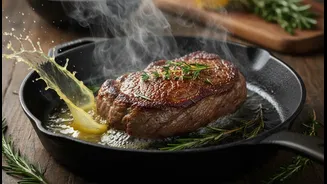
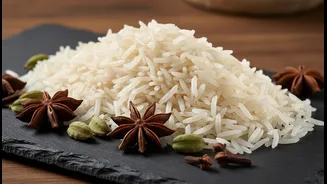
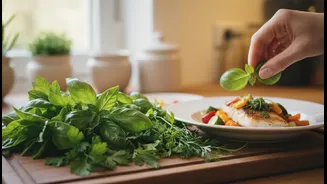
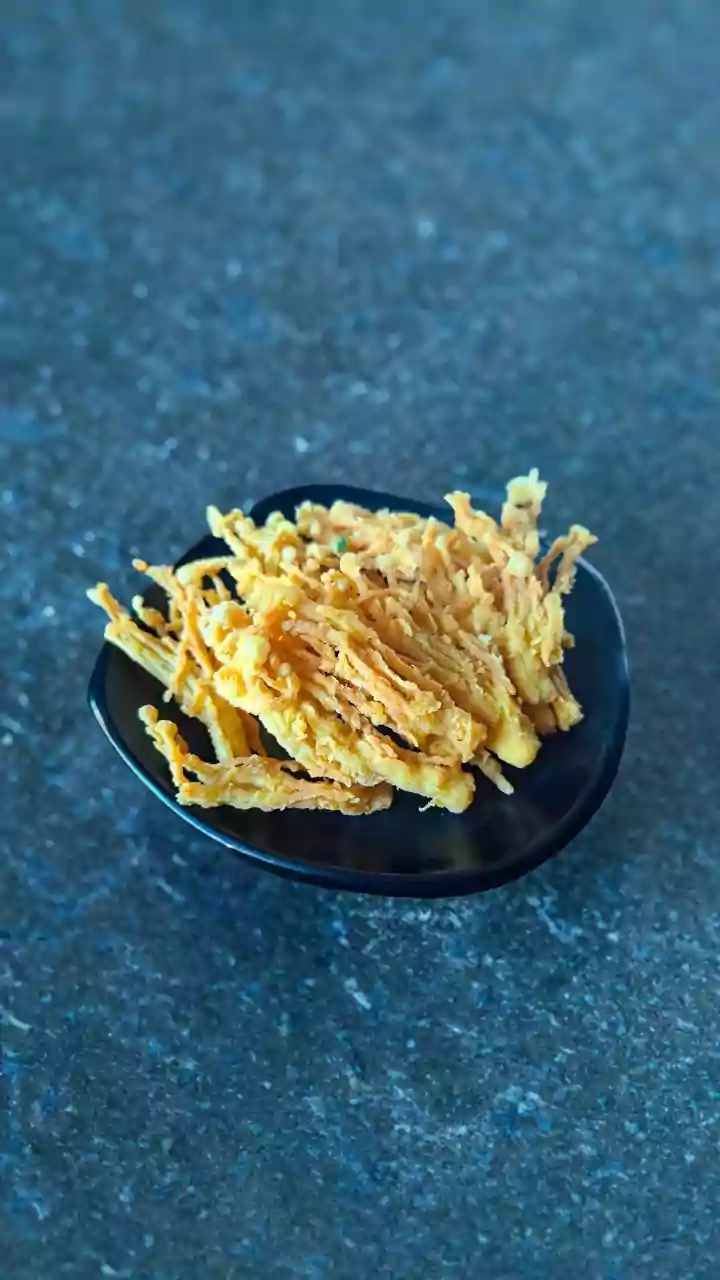
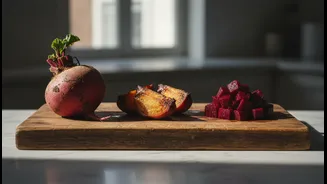
Unlocking aroma in your own kitchen is easier than you think. One of the most powerful tools is heat. Searing meat or roasting vegetables at a high temperature triggers the Maillard reaction, a chemical process between amino acids and sugars that creates hundreds of new, complex aroma and flavour compounds. This is what gives a seared steak, toasted nuts, or even a simple piece of toast its irresistible smell and deep brown colour. Another simple trick is to toast whole spices in a dry pan for a minute before grinding or adding them to a dish; this awakens their essential oils and makes their fragrance significantly more potent. Finally, consider how you use herbs. Woody, robust herbs like rosemary and thyme can be added early in cooking, as their flavour infuses well over time. Delicate herbs like basil, parsley, and cilantro, however, have volatile oils that are destroyed by heat. Add these fresh herbs at the very end of cooking, or even just before serving, to preserve their bright, fresh aroma and transform a good dish into a great one.