





The Unseen Danger in Standing Water
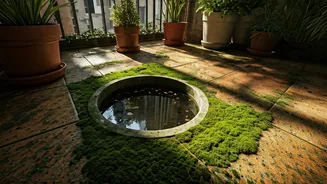
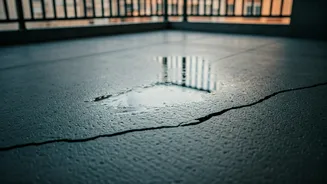
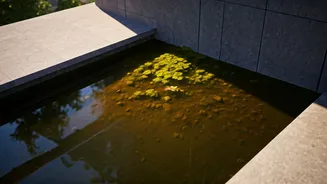
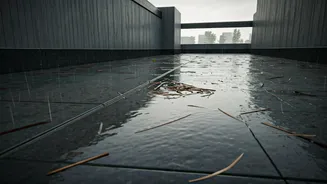
A small puddle of water in a forgotten corner of your terrace might seem harmless, but it's a significant threat to your family's health. Stagnant water is the primary breeding site for Aedes aegypti and Anopheles mosquitoes, the carriers of dangerous
diseases like dengue, malaria, and chikungunya. In India, these mosquito-borne illnesses see a surge, especially during and after the monsoon season, when rainwater collection is common. The Aedes mosquito, responsible for dengue, can breed in as little as a bottle cap of water and is typically active during the day. This makes eliminating every single puddle of standing water one of the most critical steps in home hygiene and disease prevention.
Identifying Mosquito Hotspots on Your Terrace
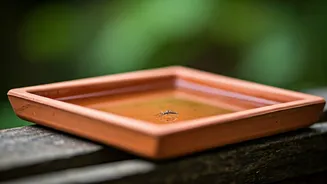
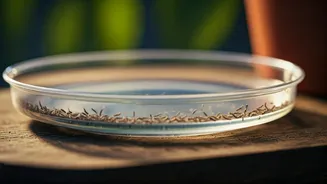
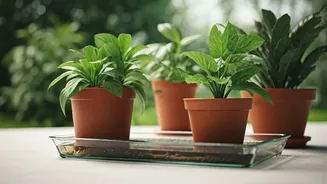
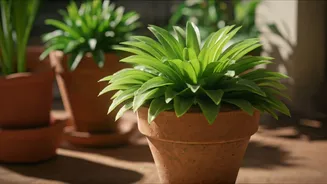
The problem often extends beyond just the corners. Mosquitoes are resourceful and can find numerous places to lay their eggs on a typical terrace. A weekly inspection should focus on these key areas: clogged drain outlets, which are a common culprit for water accumulation; saucers under plant pots that collect excess water; discarded items like old tyres, buckets, or plastic containers; and any uneven surfaces on the floor where puddles can form. Even tarps or plastic sheets left lying around can collect enough rainwater to become a breeding ground. Blocked roof gutters are another major, yet often overlooked, problem area.
Your Weekly Terrace Checklist for a Mosquito-Free Home
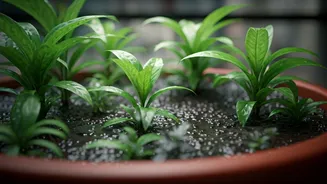
Making terrace inspection a regular habit is the most effective way to combat this issue. Dedicate just 10-15 minutes once a week to a 'dry day' inspection. Walk around your terrace and actively look for standing water. Tip over and empty any containers, from small toys to large buckets. For plant pots, empty the saucers completely and scrub them to remove any sticky mosquito eggs. Check that all drain pipes are clear of leaves, dirt, and other debris to ensure water can flow away freely. If you have a water storage tank, make sure its lid is sealed tightly. This simple routine, performed consistently, can reduce the mosquito population around your home by up to 70 percent.
Simple Fixes and Long-Term Solutions
For immediate action, once you've cleared away standing water, you can address persistent problem areas. If water cannot be removed from a particular spot, biological larvicides like Mosquito Dunks, which contain Bti bacteria, can be used. They kill mosquito larvae without harming other wildlife. For long-term prevention, ensure your terrace has a proper slope that directs water towards the drains. Applying a fresh layer of waterproofing can seal cracks and prevent seepage. Filling gaps between tiles with waterproof sealants can also prevent water from collecting underneath. If you have a terrace garden, ensure planters have proper drainage and don't sit directly on the floor without a tray.