
The Rise of Conscious Care
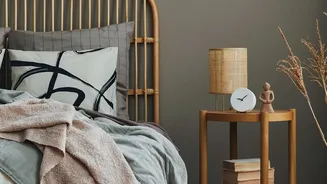
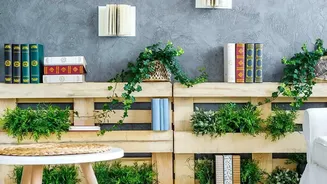
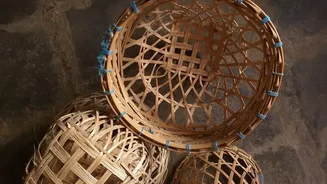
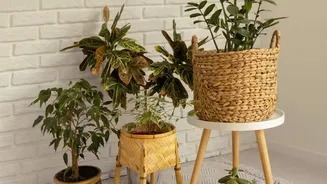
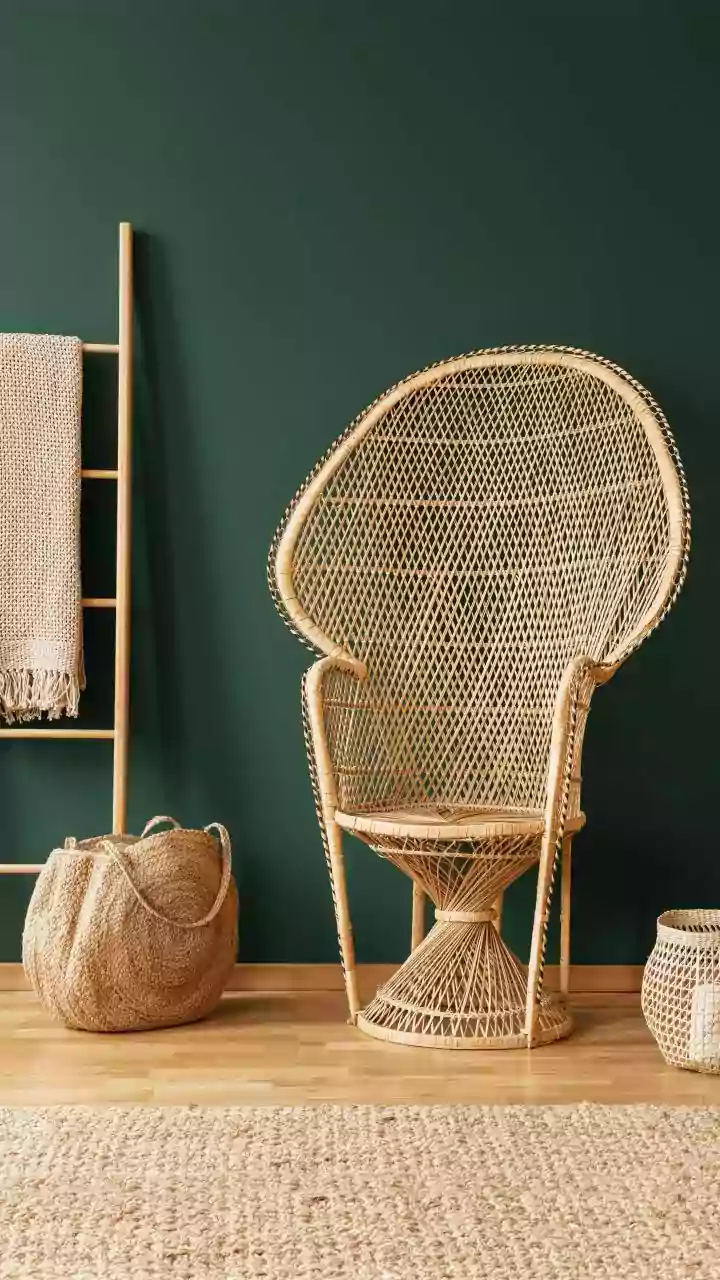
Walk into any home inspired by modern Indian aesthetics, and you'll find textures of jute, cane, and rattan. From beautifully woven chairs and intricate lampshades to sturdy rugs and storage baskets, these natural fibres bring warmth and a connection
to the earth that synthetic materials cannot replicate. This decor movement is part of a larger shift towards sustainability and supporting artisanal craftsmanship. However, a new consciousness is dawning upon homeowners. The trend is no longer just about acquiring these items, but about preserving them. Shoppers are now asking crucial questions before buying: How do I clean this? Will it survive the monsoon? This focus on maintenance—specifically dust and humidity control—is reshaping how we approach sustainable decor. True sustainability, after all, means making things last.
The Dust Dilemma
Natural fibres, with their beautiful woven textures, are unfortunately perfect traps for dust, allergens, and debris. Over time, this buildup can dull the material's appearance and even weaken the fibres. Regular cleaning is not just for hygiene; it's essential for preservation. For both jute and cane, the primary tool should be a vacuum cleaner with a soft brush attachment. This allows you to gently dislodge dirt from within the weaves without causing damage. When vacuuming a jute rug, always work in the direction of the weave to prevent fraying. For cane furniture, a soft-bristled brush can help reach tight crevices. This weekly or bi-weekly ritual is the first line of defence in keeping your natural decor looking its best.
Handling Spills and Stains
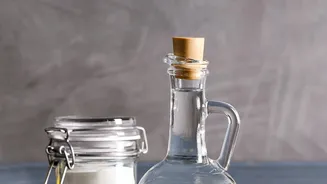
The golden rule for spills on jute or cane is to act immediately. These natural materials are highly absorbent. For any liquid spill, blot the area immediately with a clean, dry cloth. Do not rub, as this will push the stain deeper into the fibres and can cause them to fray. For a more persistent spot on a jute rug, you can use a minimal amount of a mild soap or a water-and-vinegar solution, but always test it on an inconspicuous area first. For cane, a damp cloth is usually sufficient. The key is to use as little water as possible and to ensure the item dries completely, as excess moisture is the number one enemy of these materials.
Fighting the Humidity War
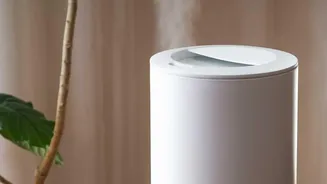
In a climate like India's, humidity is a far greater threat than dust. Natural fibres are porous and respond to moisture in the air. In high humidity, especially during monsoon season, cane can absorb moisture, causing it to sag, while both jute and cane can become breeding grounds for mould and mildew. This not only ruins the look of your decor but can also lead to musty odours and structural damage. Conversely, an overly dry, air-conditioned environment can make fibres brittle and prone to cracking. The ideal is to maintain a balanced environment. Placing furniture away from direct, prolonged sunlight can also prevent fibres from drying out and fading.
Practical Protection Strategies
Preventing moisture damage is easier than trying to fix it. Ensure good air circulation around your furniture by not placing it flush against walls. In very humid areas, consider using a dehumidifier or placing silica gel packets inside or near your decor items. On dry days, occasionally airing pieces in indirect sunlight can help remove odours and prevent moisture buildup. If you do spot any mildew, it can often be treated by gently scrubbing with a solution of equal parts white vinegar and water, then drying the piece thoroughly. When storing natural fibre items, always ensure they are clean and completely dry, and use breathable cotton covers instead of plastic, which traps moisture.
Shopping with Wisdom
This new focus on care is transforming us into smarter shoppers. Before falling in love with a large jute rug, consider if you have the space and means to vacuum and air it regularly. When eyeing a delicate cane chair, think about its placement. Will it be in a humid corner of the room or a dry, sunny spot? Asking these practical questions is the core of the new sustainable trend. It involves choosing pieces not just for their beauty, but for their suitability to our homes and our ability to care for them. A well-chosen, well-cared-for piece of natural decor can last for decades, becoming a true heirloom.