



The Showstopping Upside-Down Orange Cake
Forget pineapple; the orange upside-down cake is a true work of art. The magic happens before the batter is even poured. Thinly sliced whole oranges are arranged at the bottom of a buttered and sugared cake pan. As the cake bakes, the oranges caramelise
into a beautiful, jewel-toned mosaic that becomes the top when the cake is inverted. The result is a stunning presentation with a tender, moist crumb infused with citrus. Many recipes suggest briefly simmering the orange slices in a sugar syrup first to ensure they are perfectly sweet and tender. This method not only looks impressive but also imparts a deep, bittersweet orange flavour throughout the entire dessert.
Flourless Whole Orange and Almond Cake
For a dessert that is both rustic and sophisticated, the flourless orange and almond cake is a spectacular choice. What makes this cake unique is its use of the entire orange—peel, pith, and all. The process typically involves boiling whole oranges until they are completely soft, then blending them into a smooth purée. This purée forms the moist, fragrant base of the cake, which is naturally gluten-free thanks to the use of almond meal instead of flour. The result is an incredibly dense, pudding-like cake with an intense, aromatic citrus flavour that is impossible to achieve with juice or zest alone. For garnish, a simple dusting of icing sugar or a single, perfect candied orange slice on top is all that's needed to complete this elegant dessert.
Silky Orange Panna Cotta
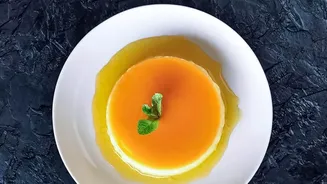
When you need a dessert that is both simple to make and impressively elegant, panna cotta is the answer. This Italian 'cooked cream' dessert is a perfect canvas for citrus. The cream is gently simmered with sugar and strips of orange peel, allowing the mixture to become infused with a delicate, fragrant orange essence. After straining and setting with gelatine, the result is a silky, creamy dessert that melts in your mouth. For a whole-fruit garnish, you can serve the panna cotta with fresh orange segments or, for a more dramatic presentation, serve it directly inside a hollowed-out orange shell. A few curls of chocolate or fresh mint can provide a beautiful finishing touch.
The Art of Candied Orange Slices
Candied orange slices are not just a garnish; they are a dessert in their own right and the perfect finishing touch for countless others. The process is simple, involving simmering thin slices of whole orange in a sugar-and-water syrup until they become translucent and sweet. It’s important to slice the oranges evenly and not too thin, so they hold their shape. Once cooked, the slices are dried on a wire rack for about 24 hours until they are perfectly chewy. These glistening, jewel-like slices can be used to decorate cakes, tarts, and cocktails. For an extra-decadent treat, dip the dried slices halfway into melted dark chocolate. Keep a jar of these on hand, and you can instantly elevate any simple dessert.
Elegant Orange Posset in Orange Cups
An Orange Posset is a wonderfully simple yet sophisticated dessert made from just a few ingredients: cream, sugar, and fresh orange juice. The magic of a posset lies in its chemistry; the acid from the orange juice causes the heated cream to set into a rich, silky, and smooth custard without the need for eggs or gelatine. To incorporate a whole-fruit element, the presentation is key. By carefully hollowing out orange halves, you can create natural, edible serving bowls for the posset. This technique is not only charming and resourceful but also infuses the dessert with an extra hint of citrus aroma. Garnish with a bit of fresh orange zest on top for a beautiful and delicious dessert that looks far more complicated than it is.