
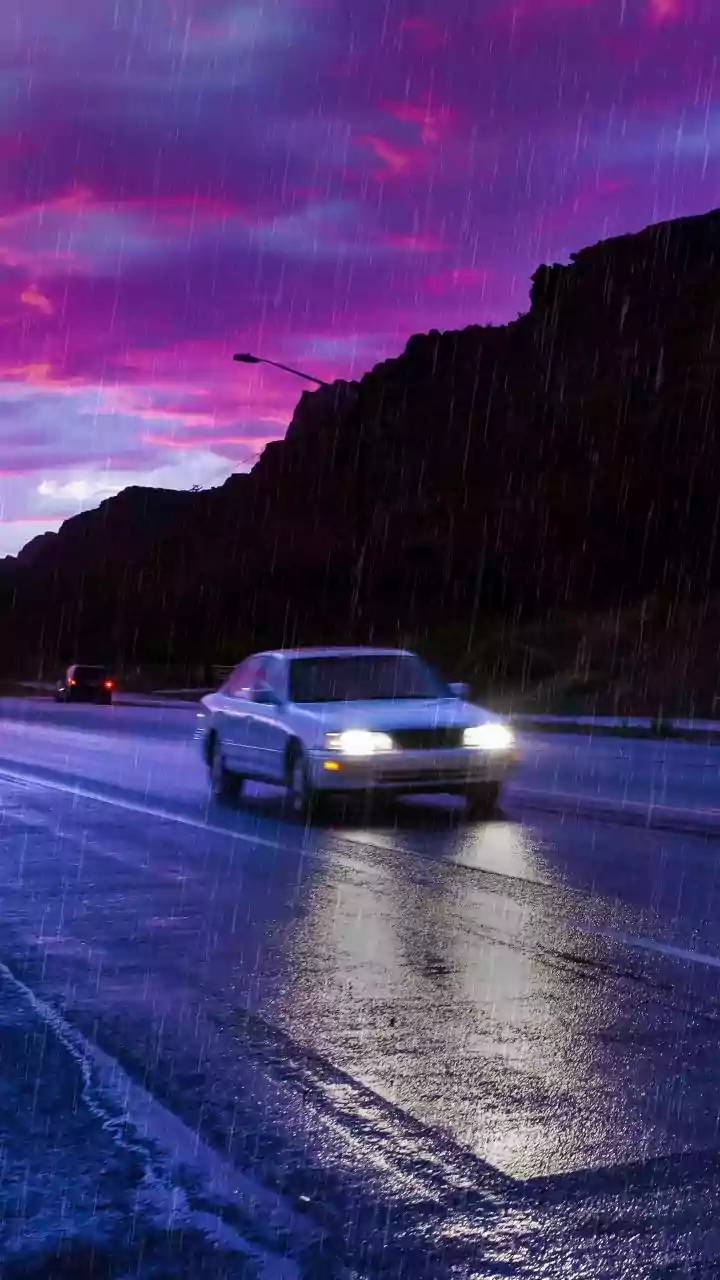





Your Pre-Trip Vehicle Health Check
Before you even think about packing, your vehicle needs a thorough inspection. A well-maintained car is your most important safety asset on a monsoon journey. Start with the tyres, which are crucial for grip on wet surfaces. Ensure they have adequate
tread depth—at least 3 mm is advisable—to prevent hydroplaning, where your car loses traction on a layer of water. Check the tyre pressure, including the spare. Next, inspect your windscreen wipers. If they leave streaks or make noise, replace them for clear visibility during downpours. Finally, test all your lights: headlights, taillights, brake lights, and indicators. Properly functioning lights are essential when visibility is low. Also, have your brakes checked for responsiveness and your battery tested to avoid failure in wet conditions.
Packing Your Monsoon Emergency Kit
Beyond your usual luggage, a dedicated monsoon kit is non-negotiable. This isn't just about clothes; it's about being prepared for unexpected delays or situations. Pack a comprehensive first-aid kit, a powerful waterproof torch, and a fully charged power bank for your devices. Include extra food and drinking water in case you get stranded. It's also wise to pack quick-drying synthetic clothes instead of cotton or denim, which stay wet for a long time. A waterproof jacket is a must. For your car, keep a tool kit, a tow rope, and a puncture repair kit handy. An umbrella, waterproof footwear with good grip, and insect repellent will make any unplanned stops more comfortable.
Smart Route Planning and Weather Watch
During the monsoon, not all destinations are safe. Hilly and coastal areas can be prone to landslides and flooding. Before you finalise your route, check for travel advisories and news about road conditions. The India Meteorological Department (IMD) provides district-level alerts that are more reliable than general forecasts. Avoid routes notorious for waterlogging or landslides. It's also crucial to have a flexible itinerary. A tightly packed schedule leaves no room for weather-related delays, which are common during this season. Always plan to reach your destination during daylight hours, as driving at night drastically reduces visibility and increases risks.
Safe Driving Techniques for Wet Roads
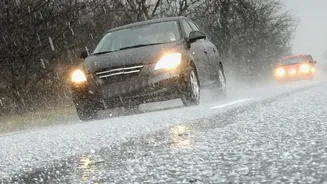
Driving in the rain demands a different approach. The most important rule is to slow down. Wet roads significantly increase your car’s braking distance. Maintain at least double the usual distance from the vehicle in front of you. Avoid sudden braking, especially on painted road markings like zebra crossings, which become extremely slippery. If you approach a waterlogged area, assess its depth. As a rule, if the water is above the centre of your wheels, it's best to find another route. If you must cross, drive slowly in a low gear, keeping the engine revs high to prevent water from entering the exhaust. If your car stalls in water, do not try to restart it, as this can cause severe engine damage.