
The Brain on Crowds
Ever feel mentally exhausted after just an hour in a large crowd? You’re not alone. Our brains are wired to process sensory information, but they have a limited capacity. In a noisy, crowded environment, your brain is bombarded with stimuli: overlapping
conversations, loud music, moving bodies, and countless visual distractions. This state of sensory overload forces your brain to work overtime just to filter out the noise, leading to what psychologists call increased cognitive load. Research shows that constant exposure to noise can impair focus, reduce accuracy on tasks, and drain mental energy. By finding a quieter spot, you give your brain a much-needed break. This reduction in external stimuli allows your prefrontal cortex, the part of the brain responsible for planning and attention, to operate more efficiently. The result is improved concentration, better memory of the event, and a less fatigued mind.
The Safety Advantage of Space
Safety in a crowd isn't just about avoiding major incidents; it's about maintaining personal control and awareness. Dense crowds significantly reduce your situational awareness. When you're pressed against others, your field of vision narrows, and it becomes difficult to notice potential hazards, identify clear exit routes, or even keep your footing. Psychologically, having your personal space invaded triggers a subconscious threat response in the brain, increasing stress and anxiety. Choosing a spot on the periphery, near a wall, or in an elevated area gives you a crucial buffer. This space allows you to scan your surroundings, anticipate the crowd's movement, and react more quickly if a situation changes. Security experts emphasize that being aware of your environment and having an escape path are fundamental to crowd safety. A less congested vantage point provides both, ensuring you can enjoy the event without the underlying stress of being trapped.
How to Find Your Viewing Haven
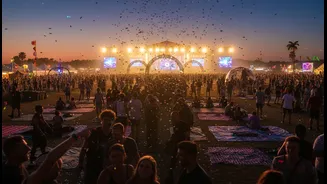
Finding a good spot requires a bit of planning and observation. First, arrive a little early and familiarize yourself with the venue layout. Look at a map if one is available and identify multiple exits and less-obvious pathways before the crowds pour in. Instead of pushing toward the center, explore the edges. The sides of a stage or performance area often offer excellent views with a fraction of the crowd density. Look for natural barriers like food stalls, pillars, or sound booths, as the areas around them are often less packed. Don't underestimate the value of height. A small hill, a set of stairs, or a raised platform can provide a clear line of sight over the heads of the crowd. Finally, observe the flow of foot traffic. Avoid positioning yourself in major thoroughfares where people are constantly moving. Instead, find a nook just outside the main flow to create a pocket of relative calm.
A More Mindful Experience
Ultimately, finding a quieter spot is about enhancing the quality of your experience. When you aren't fighting for space or being overwhelmed by noise, you can actually connect with the event on a deeper level. You can hear the music more clearly, appreciate the details of a performance, and have conversations with your companions without shouting. This shift from passive endurance to active, mindful engagement transforms the entire outing. You'll likely leave feeling energized and fulfilled rather than drained and frazzled. By being intentional about where you place yourself, you are not stepping away from the action. Instead, you are putting yourself in the best possible position to truly absorb and enjoy it.