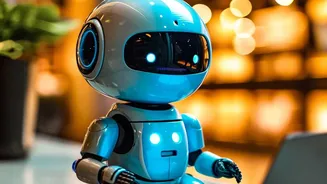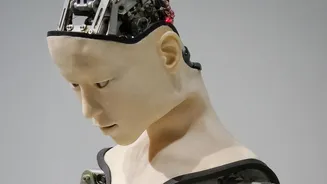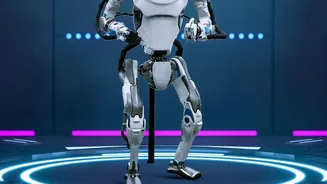



Humanoid robots are walking out of the lab and onto factory floors. High-profile tests at companies like BMW and Mercedes-Benz show what's possible, but the biggest question isn't about technology—it's about the price tag.
The Promise of a Robotic Coworker
The vision is compelling: a robot
with a human-like form that can operate in spaces designed for people, using the same tools and performing the same tasks. Automakers are at the forefront of this exploration. BMW, for instance, has been testing Figure AI's robots at its Spartanburg plant in the US for tasks like handling sheet metal and sorting auto parts. Similarly, Mercedes-Benz is piloting Apptronik's Apollo robot for logistics tasks like moving components. The goal isn't necessarily to replace human workers wholesale, but to address labour shortages, reduce workplace injuries from repetitive or hazardous tasks, and create a more flexible, resilient workforce. Unlike traditional, single-task industrial robots bolted to the floor, humanoids promise the versatility to move between different jobs, a significant advantage in dynamic production environments.
The Staggering Cost of Entry
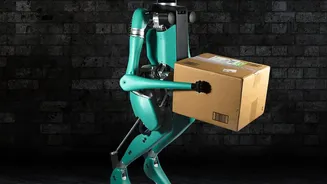
The primary obstacle to this futuristic vision is today's economic reality. While prices are falling, industrial-grade humanoid robots remain a significant capital investment. In 2026, costs can range from around $20,000 to over $200,000 per unit for purchase. For example, Agility Robotics' Digit has been priced at around $250,000 for pilots, while Tesla's much-hyped Optimus robot has a target price of $20,000 to $30,000, though it is not yet commercially available. These upfront costs don't even tell the whole story. Businesses must also factor in integration, software, maintenance, and potential infrastructure upgrades, which can dramatically increase the total cost of ownership. Actuator reliability, battery life, and the durability of complex joints are also major concerns that add to long-term operational costs.
The Challenge of Proving ROI
For a chief financial officer, the math is simple: does the robot generate more value than it costs? Right now, the answer is often no. A US warehouse worker might cost a company $35,000-$45,000 a year. A robot costing upwards of $100,000, plus maintenance, needs to deliver significant productivity gains or operate around the clock to justify the expense. To make the numbers work, some companies are turning to a 'Robotics-as-a-Service' (RaaS) model. Instead of buying the robot, companies can lease it for a monthly fee, which might range from $8,500 for an Agility Digit to lower figures for other models, turning a large capital expenditure into a more manageable operating expense. This model lowers the barrier to entry, but the fundamental challenge remains: the robot must be utilized as much as possible to make its hourly cost competitive with human labour.
Learning in the Real World
This is precisely why realworld testing is so crucial. The pilot programs at BMW, Mercedes and other logistics companies are less about immediate productivity and more about gathering data. These tests reveal the practical challenges of integrating humanoids into existing workflows from communication with factory systems to navigating unpredictable environments. The learnings from Figure's deployment at BMW for instance directly informed the design of its nextgeneration robot. Tesla is taking a unique approach by planning an 'Optimus Academy' of 10,000 to 20,000 of its own robots to train them on a wide variety of tasks before they even reach external customers. These pilot stages are essential for proving not just technological capability but also reliability safety and eventually economic value.
The Path to Widespread Adoption
For humanoid robots to become a common sight in workplaces several things need to happen. First the cost of hardware must continue to fall driven by economies of scale as companies like Tesla and Figure ramp up production. Tesla for instance has started early production with the ambitious goal of eventually producing millions of units per year. Second the AI software that powers these robots must become more capable allowing them to learn new tasks faster and operate with more autonomy. Finally business models like RaaS will likely become more common making the technology accessible to a wider range of companies. The transition will be gradual starting in highly structured environments like warehouses and manufacturing plants before moving into more complex publicfacing roles.