



A Trade Relationship on Pause
Since 2019, direct trade between India and Pakistan has been officially frozen. Following the Pulwama attack, India revoked Pakistan's Most Favoured Nation (MFN) status and imposed a 200% tariff on Pakistani goods. Pakistan responded by suspending bilateral
trade after India's decision to abrogate Article 370. This diplomatic freeze shut down formal channels like the Wagah-Attari land port, bringing direct commerce to a near standstill. However, the demand for goods on both sides of the border didn't simply vanish. Instead, it found a new, more complex path.
The Dubai Diversion
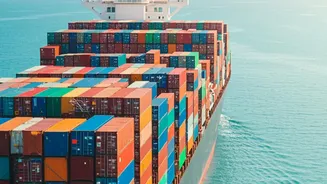
The United Arab Emirates, and specifically Dubai, has emerged as the primary hub for this indirect trade. The mechanism is straightforward: Indian suppliers export their goods to a partner in Dubai. From there, the goods are re-exported to Pakistan, often with documentation that re-labels the country of origin to circumvent direct trade bans. This route, while effective, adds layers of complexity and cost, involving multiple handlers, additional shipping legs, and new paperwork. Singapore and Sri Lanka have also been identified as other, smaller hubs for this redirected commerce.
What's on the Move?
Despite the added hurdles, a significant volume of essential goods makes the journey. For Pakistan, imports from India are dominated by critical raw materials for its industries. Pharmaceuticals, including active pharmaceutical ingredients (APIs), vaccines, and blood products, make up the bulk of these shipments. Pakistan's pharmaceutical industry has historically relied on India due to competitive prices and geographical proximity. Other key items include organic chemicals, textiles, plastics, and agricultural products like spices and tea. This flow highlights a deep-seated economic dependency that political tensions have failed to erase.
The Economic Cost of a Political Stand-off
This indirect trade is a testament to market resilience, but it comes at a price. For Pakistani industries and consumers, goods routed through Dubai are significantly more expensive due to added logistics, freight, and intermediary fees. According to the Pak-India Business Council, the suspension of direct trade has resulted in economic losses estimated at around $40 billion for Pakistan since 2019. Indian exporters, while retaining access to a key market, lose out on the higher margins that are captured by intermediaries in third countries. The arrangement keeps supply chains moving but at a reduced efficiency and higher cost for everyone involved.
Growing Calls to Reopen Direct Trade
Business communities on both sides are increasingly vocal about the need to normalise trade relations. Business leaders in Pakistan have pointed out that resuming direct imports could save their country billions annually, particularly in the pharmaceutical and textile sectors, and help manage inflation. In recent months, prominent figures from both India and Pakistan have signed open letters urging their governments to restore diplomatic and commercial ties, arguing that the economic well-being of nearly two billion people should take precedence over political disputes. They advocate for reopening borders and dialogue, suggesting that the current, inefficient system benefits no one in the long run.