







From Humble Homes to High-End Bars
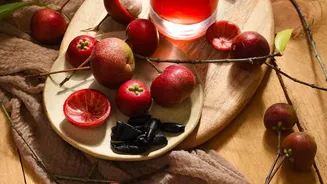
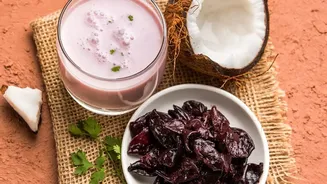
For generations, kokum and jamun were staples of the Indian household, especially during the sweltering summer months. Kokum, with its tangy profile, was the star of cooling 'sol kadhi' along the Konkan coast, while the sweet-tart jamun was eaten with a sprinkle
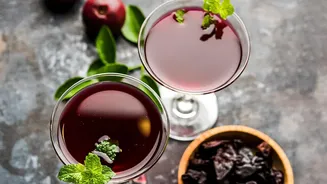
of black salt on rainy afternoons. These fruits were flavours of home, rarely seen on restaurant menus. That is rapidly changing. In metro cities across India, chefs and mixologists are rediscovering these indigenous gems. What was once a simple homemade sherbet is now being reimagined as a gourmet ingredient in everything from artisanal cocktails to ceviche and even ramen broth.
A Sip of Nostalgia and Regional Pride
Part of the appeal is a powerful sense of nostalgia. For many urban Indians, these flavours evoke cherished childhood memories. But this trend is more than just a trip down memory lane. It reflects a significant cultural shift: a growing pride in local, seasonal, and regional ingredients. Chefs are increasingly looking inward, turning away from imported produce to celebrate India's vast culinary diversity. This movement celebrates authenticity and a connection to place, offering diners a story with every sip—a story of their own heritage presented in a contemporary, exciting format.
The Health Halo Effect
The wellness wave sweeping across urban India is another major driver of this trend. Today’s consumers are more health-conscious than ever, actively seeking alternatives to sugary, processed drinks. Kokum and jamun fit this demand perfectly. Both fruits have long been valued in Ayurveda for their medicinal properties. Kokum is celebrated for its digestive and cooling properties, traditionally used to combat acidity and prevent sunstroke. Jamun is renowned for being rich in antioxidants and vitamins, and is particularly noted for its potential to help regulate blood sugar levels. This makes them 'functional' ingredients, offering health benefits beyond simple refreshment.
The Mixologist's New Muse
For bartenders and chefs, these fruits offer a thrilling new palette of flavours. Kokum provides a unique sourness with a hint of sweetness, a complexity that tamarind doesn't quite match. Jamun delivers a beautiful deep purple hue along with a balance of sweet, sour, and astringent notes that can be compared to red wine. This complexity makes them incredibly versatile. The latest trend involves cold-steeping the fruits, a gentle process that extracts their delicate flavours and colours without the bitterness that can come from boiling them with sugar. The results are sophisticated coolers, tart vinaigrettes for salads, and complex syrups for gin and vodka cocktails, proving these desi fruits can be as sophisticated as any imported berry.
Beyond Kokum and Jamun
While kokum and jamun are leading the charge, they are not alone. A whole host of other indigenous Indian fruits are also finding their way onto modern menus. Bael (wood apple), with its own set of cooling properties, is being transformed from a simple sharbet into chic cocktails. Other regional treasures like ber (Indian jujube), karonda, and even the elephant apple are being experimented with, used to create unique infusions, garnishes, and flavour profiles that showcase the incredible depth of India's native produce. This signals a broader, more sustainable future for the Indian food and beverage industry, one that is firmly rooted in its own soil.