



The Allure of the Shoulder Season
For years, travel in India was concentrated in a few major peaks: summer vacations and the festive rush from Diwali to the New Year. However, a noticeable trend has emerged, with travel companies reporting a surge in interest for September and October.
This period, known in the industry as a "shoulder season," sits between the low (monsoon) and peak (winter) seasons, offering a unique blend of benefits that travellers are increasingly eager to capture. It's a meaningful shift in behaviour, as people are no longer waiting for major holidays to plan a trip, instead opting for shorter, more frequent breaks during this newly appealing window.
Perfect Weather and Lush Landscapes
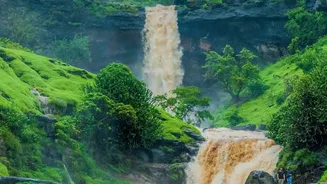
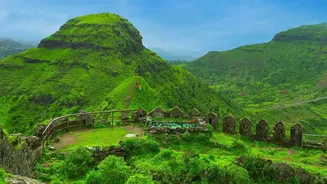
Perhaps the biggest draw of this season is the weather. As the monsoon recedes, it leaves behind a country washed clean and vibrant. The intense summer heat has passed, but the winter chill has yet to set in, creating a comfortable climate for exploring. Temperatures across most of the country are pleasant, making outdoor activities and sightseeing much more enjoyable. This is when India’s natural beauty is at its most dramatic. Waterfalls are at their fullest, forests are a brilliant green, and the air is fresh. Destinations in the south, like Kerala and Karnataka, are particularly stunning, with replenished backwaters and lush hillsides.
Fewer Crowds and Better Value
One of the most practical advantages of travelling in September and October is the lighter footfall. Popular attractions that are typically overrun during the winter peak season are noticeably quieter, allowing for a more relaxed and immersive experience. This relative calm also translates into better value. With demand not yet at its peak, travellers can often find more competitive prices on flights, accommodation, and holiday packages. This allows holiday budgets to stretch further, perhaps towards a premium hotel or unique local experiences that might be too costly during the high season.
A Calendar Packed with Culture
The September-October window is not just about good weather; it's also a period of immense cultural and festive significance. A string of public holidays and festivals like Ganesh Chaturthi, Navratri, Durga Puja, and Dussehra fall during these months. This creates natural opportunities for short breaks and longer holidays built around the celebrations. For travellers, it offers a chance to witness centuries-old traditions come to life, from the elaborate artistic displays of Durga Puja to the victory of good over evil celebrated during Dussehra. It’s an opportunity to experience the cultural soul of India in a way few other times of the year can match.
Where to Go in This Golden Window
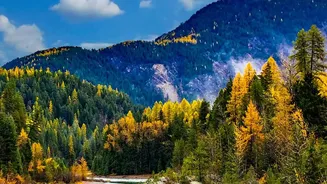
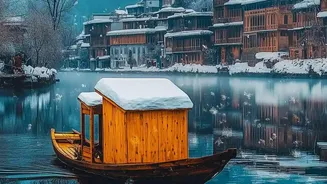
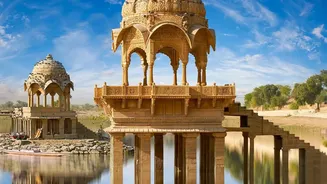
The favourable conditions of this season open up a wide range of destinations. The Himalayan states of Himachal Pradesh and Uttarakhand offer crisp mountain air and clear skies, perfect for trekking or visiting serene hill stations like Rishikesh and Bir Billing. In Rajasthan, cities like Udaipur and Jaipur are enjoyable before the peak winter crowds arrive. October is also a prime time to visit Kashmir, as the landscape is painted in stunning autumn colours. For those seeking sun and sand, Goa's tourist season begins to pick up in October as the beaches reopen for watersports. The Andaman Islands also become more inviting as the monsoon ends, ideal for diving and snorkelling.