





Why Planning Is Your Most Important Tool
Spontaneity has its charms, but for a trip focused on culture, a little research goes a long way. Performance schedules for classical dance, music, or folk arts are often seasonal or held on specific days. Major cultural festivals, which offer a stunning
concentration of talent, happen just once a year and require booking months in advance. Similarly, heritage sites have fixed opening and closing hours, with weekly holidays that can catch you by surprise. For families, knowing show durations and travel times between locations is crucial for keeping everyone happy and engaged. By aligning performance dates with monument visiting hours, you can create a seamless itinerary that maximizes your time and deepens your appreciation for India’s rich cultural tapestry. The goal isn't to overschedule, but to ensure your most anticipated experiences don't slip through your fingers due to a simple logistical oversight.
Chennai: Carnatic Music and Ancient Port Towns
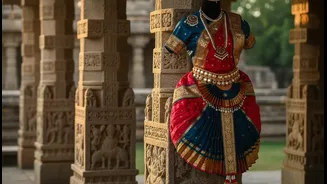
For lovers of classical music and dance, Chennai during the Margazhi season is a pilgrimage. Spanning from mid-December to mid-January, the city comes alive with hundreds of Carnatic music and Bharatanatyam performances across various sabhas (auditoriums). Artists, both legendary and emerging, perform throughout the day. Check the schedules for venues like The Music Academy and Bharat Kalachar, as tickets for popular artists sell out fast. After immersing yourself in the performing arts, take a day trip to the UNESCO World Heritage site of Mahabalipuram, just an hour's drive away. This ancient port town is home to magnificent rock-cut temples, shore temples, and the iconic Arjuna's Penance bas-relief, offering a powerful glimpse into Pallava dynasty architecture. Remember to check the site timings for Mahabalipuram to ensure you have enough daylight to explore.
Rajasthan: Royal Folk Festivals and Majestic Forts
Rajasthan’s culture is as vibrant as its landscapes. In October, the Jodhpur RIFF (Rajasthan International Folk Festival) takes over the majestic Mehrangarh Fort. This five-day festival, coinciding with the brightest full moon of the year, features over 250 folk artists from Rajasthan and around the globe. From soul-stirring dawn concerts to energetic late-night jams, it’s an unforgettable experience. Outside of festival season, Jaipur offers numerous venues for traditional Ghoomar dance and puppet shows. Pair these evening performances with daytime explorations of the city's heritage. In Jaipur, the Amber Fort, City Palace, and Hawa Mahal are must-visits. In Jodhpur, the Mehrangarh Fort itself is a sprawling museum of royal history. Always verify timings, as many forts have different hours for general entry and special events like light and sound shows.
Kerala: Kathakali and Colonial History
Kerala offers a unique blend of intense performing arts and serene landscapes. The state is the home of Kathakali, a powerful dance-drama known for its elaborate costumes and makeup. In cities like Kochi and Thrissur, cultural centres such as the Kerala Kathakali Centre and Cochin Cultural Centre hold daily evening performances. A key tip is to arrive an hour early to watch the fascinating and intricate makeup application process, which is a performance in itself. For a historical counterpoint, spend your days exploring Fort Kochi. This area is a melting pot of cultures, with its iconic Chinese fishing nets, the 16th-century St. Francis Church, and the historic Jewish Synagogue. The blend of Portuguese, Dutch, and British colonial architecture provides a compelling backdrop to the region's indigenous art forms.
Khajuraho: Classical Dance Amidst Temple Sculptures
There is perhaps no venue more dramatic than Khajuraho, where ancient temples provide the backdrop for a premier classical dance festival. Held annually for a week in February, the Khajuraho Dance Festival celebrates the finest Indian classical dance forms, including Bharatanatyam, Odissi, Kathak, and Kuchipudi. Renowned artists perform in an open-air auditorium with the beautifully illuminated Western Group of Temples behind them. This creates a magical dialogue between the living art of dance and the sculpted stone figures on the temple walls. Since the performances are in the evening, your days are free to explore the UNESCO World Heritage temples themselves, famous for their nagara-style architecture and intricate sculptures. The festival is a major draw, so booking flights and accommodation well in advance is highly recommended.
Delhi: A Hub for Arts and Imperial History
As the nation's capital, Delhi boasts a packed cultural calendar and a staggering number of historical sites. Venues like the India Habitat Centre, Kamani Auditorium, and Shri Ram Centre for Performing Arts host a wide array of events, from theatre and dance to classical and contemporary music, throughout the year. Check their online schedules to see what’s on during your visit. For families, the city offers engaging options like the light and sound show at the Red Fort. Your days can be filled with journeys through centuries of history, from the grandeur of Humayun's Tomb and the Qutub Minar complex to the colonial architecture of Lutyens' Delhi. The sheer number of options makes Delhi a city where a well-planned itinerary is essential to navigating its cultural and heritage treasures.