




As Varanasi prepares for Dev Deepawali, the city is bracing for a massive influx of travellers. In response, domestic airlines are boosting flight frequencies, signalling the festival's growing status as a major national cultural event.
Skies Get Busier Over Kashi
With Dev Deepawali
falling on November 24, 2026, India's domestic carriers are ramping up their schedules to Lal Bahadur Shastri International Airport (VNS). Airlines like IndiGo, Air India Express, and Akasa Air are anticipating a significant surge in passenger traffic from major hubs such as Delhi, Mumbai, and Bengaluru. This seasonal increase is a direct response to the festival's immense popularity, which sees tens of thousands of pilgrims and tourists flock to the holy city. Travel portals note that fares for this period can skyrocket, sometimes reaching levels comparable to peak international routes, advising travellers to book as far as 90 days in advance to secure reasonable prices. This annual rush underscores a broader trend: Dev Deepawali is no longer just a regional observance but a major driver of tourism that commands a significant logistical response from the travel industry.
The Diwali of the Gods
So, what exactly is Dev Deepawali and why does it command such attention? Celebrated on Kartik Purnima, the full moon night that arrives about fifteen days after the nationwide Diwali festival, its name translates to the 'Diwali of the Gods'. According to Hindu mythology, it is believed that on this night, the gods themselves descend from the heavens to bathe in the holy waters of the Ganges River. The festival also commemorates Lord Shiva's victory over the demon Tripurasura, hence it is also known as Tripurotsav. This divine narrative transforms Varanasi into a celestial gateway, and the entire city prepares to welcome its divine guests with a breathtaking display of light and devotion.
A River of a Million Lights
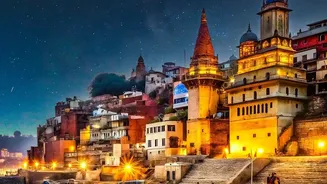
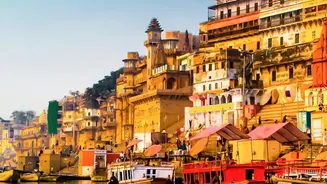
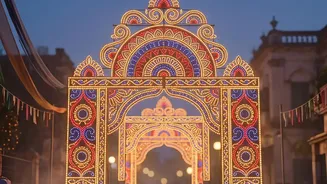
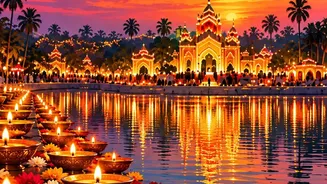
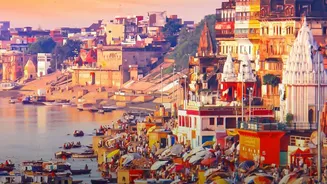
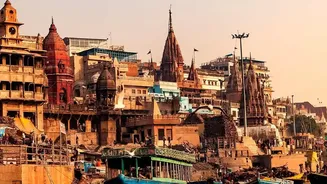
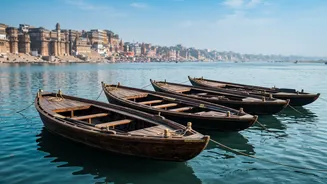
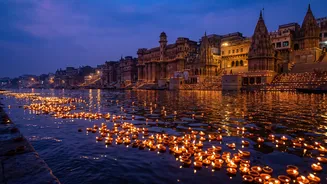
The main event of Dev Deepawali is a visual spectacle unlike any other. As dusk settles on November 24th, all 84 of Varanasi's ghats, the iconic steps leading down to the river, will be illuminated with millions of earthen lamps, or diyas. Volunteers and residents work for hours to arrange these lamps, creating a continuous, shimmering ribbon of light that stretches for kilometres along the crescent-shaped riverfront. The grand Ganga Aarti at Dashashwamedh Ghat becomes an even more elaborate affair, with thousands gathering to watch the synchronised rituals performed by priests with large, flaming lamps. For many visitors, the most enchanting way to experience the festival is from a boat on the river, offering a panoramic view of the illuminated ghats, their reflections dancing on the water, and fireworks bursting overhead.
Navigating the Festive Surge
The immense popularity of Dev Deepawali means the city operates at full capacity. Hotels, especially those with views of the ghats, are often booked out months, if not a year, in advance. On the day of the festival, local authorities implement significant crowd control measures, including traffic diversions and barricades, making movement within the old city challenging. Visitors are advised to reach their preferred viewing spots on the ghats by early afternoon to secure a place. For those looking for a slightly less crowded experience, ghats further away from the central Dashashwamedh, such as Assi Ghat, offer a more serene but equally beautiful vantage point. Planning is key: booking flights, accommodation, and even boat rides well ahead of time is essential for a smooth experience.