






The Rise of the Travel Checklist
For years, a certain style of travel has dominated our feeds and fantasies: checklist tourism. This is the art of collecting destinations like trophies, driven by a desire to capture the iconic photo at the world-famous landmark. Social media platforms
have been the primary engine for this trend, turning travel into a performative act. The goal is often not the experience itself, but the sharable content it produces—proof that you were there. This has created a powerful feedback loop: influencers post stunning, often crowd-free, images of popular sites, which inspires millions to add those exact spots to their bucket lists, further fueling the cycle. The result is a generation of travelers motivated by a fear of missing out and a pressure to curate a life that looks impressive online.
Cracks in the Perfect Picture
The problem is, reality rarely matches the filtered fantasy. The “reality-check season” has arrived with a litany of complaints from disillusioned travelers. That serene shot of the Mona Lisa? It omits the reality of being jostled by thousands of other tourists, all trying to get the same picture. Destinations like Bali and Cancún are grappling with the consequences of overtourism, including strained infrastructure, environmental damage, and a loss of local character. Visitors arrive expecting paradise and instead find traffic jams, polluted beaches, and commercialization that can make a place feel inauthentic. The very act of chasing the perfect photo often leads to a hollow experience, one that is more about logistics and crowd management than genuine discovery or enjoyment.
The Authenticity Awakening
In the wake of the pandemic, a significant shift in traveler mindset has occurred. After a period of introspection and restricted movement, many people are re-evaluating what they want from their journeys. There is a growing desire for meaning, connection, and authenticity that the checklist model fails to provide. According to recent travel reports, a significant percentage of travelers now say they value authentic, local experiences more than just seeing tourist highlights. This isn't just a fleeting trend; it's a fundamental reorientation. People are tired of the performance and are instead seeking trips that offer personal growth, cultural immersion, and a genuine sense of place. The new souvenir is not a magnet, but a memory of a real interaction or a skill learned.
Beyond the Bucket List
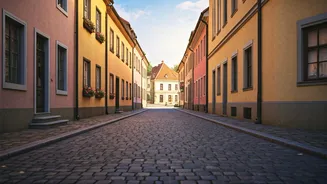
This has given rise to alternative travel philosophies like “slow travel.” Rather than rushing through five cities in a week, slow travel encourages staying in one place and experiencing it deeply—shopping at local markets, learning a few phrases of the language, and understanding the daily rhythms of a community. It’s about depth over breadth. Similarly, concepts like regenerative and community-based tourism are gaining ground, focusing on travel that not only minimizes harm but actively benefits local communities and environments. These approaches reframe the entire purpose of a trip, moving it from a self-serving act of collection to a more conscious and interactive experience. Instead of ticking off a list, the goal is to connect, learn, and participate.