

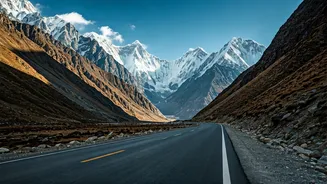
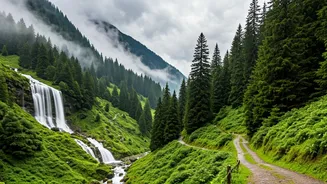


The Route: Delhi to Shimla
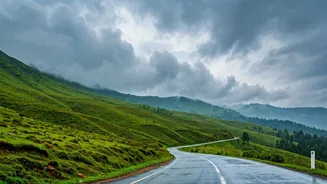
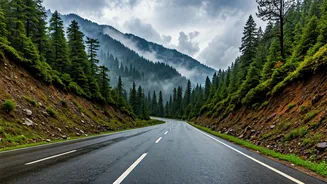
This classic route offers a perfect blend of smooth highway driving and breathtaking mountain roads. Starting from the bustling capital, the journey of approximately 350 kilometres takes you through the planned city of Chandigarh and the charming colonial-era
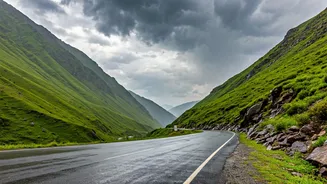
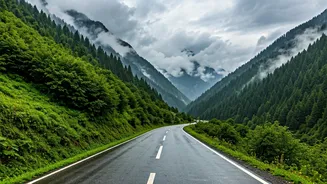
towns of Kasauli and Shimla. [21] During the monsoon, this path becomes a sensory delight, with rain-washed greenery, mist-covered valleys, and the cool mountain air providing a much-needed escape from the city heat. While the hills come alive with waterfalls, it’s a route that remains relatively safe and accessible. [21, 18]
Leg 1: Delhi to Chandigarh (250 km)
The first leg of your journey is a smooth, comfortable drive on NH44. As you leave the urban sprawl of Delhi behind, the landscape gradually gives way to the vast, green fields of Haryana and Punjab. This is the perfect time to stop at a classic highway dhaba for some hot parathas and chai. Upon reaching Chandigarh, you’ll find a city refreshed by the rains. [5] Known for its clean, organised layout, attractions like Sukhna Lake and the Rock Garden are particularly beautiful during this season, with fewer crowds and vibrant greenery. [5, 8] It’s an ideal overnight stop to recharge before you begin your ascent into the hills.
Leg 2: Chandigarh to Kasauli (60 km)
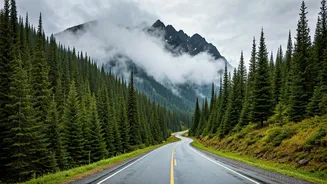
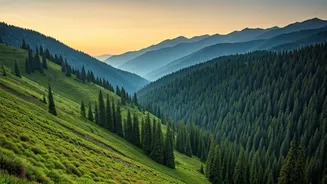
Leaving Chandigarh, you’ll merge onto the Himalayan Expressway (NH5), and the real magic begins. [21] The road starts to wind and climb, and the air fills with the scent of wet pine. Kasauli, a quaint cantonment town, is a tranquil haven that seems suspended in time. [16] The monsoon cloaks it in mist, making walks along the Gilbert Trail or up to Monkey Point an enchanting experience. [10, 19] Sunsets are dramatic, with clouds painting the sky in stunning hues over the rain-washed valleys. [23] Kasauli is considered a safer hill destination during the monsoon as it is less prone to major landslides compared to higher altitude areas. [18, 30]
Leg 3: Kasauli to Shimla (70 km)
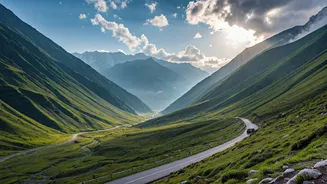
The final stretch to the 'Queen of Hills' is arguably the most scenic. The road twists and turns, offering spectacular views at every bend. You might find yourself driving through the clouds, a truly surreal experience. Reaching Shimla, you’ll find the colonial-era architecture of the Viceregal Lodge and Christ Church looking even more atmospheric against the misty backdrop. A stroll down the famous Mall Road, umbrella in hand, while enjoying roasted corn on the cob (bhutta) is a quintessential monsoon activity. While the season brings fewer tourists, it's wise to check local conditions before you travel. [28]
Essential Monsoon Driving Guide
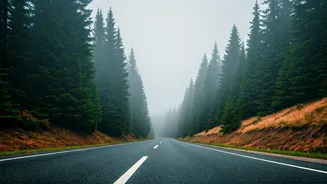
Driving during the monsoon, especially in the hills, requires caution. Before you start, ensure your car is in top condition—check your tyres, brakes, and wipers. [15] On the road, slow down significantly; wet surfaces reduce grip and increase braking distances. Maintain a much larger gap than usual from the vehicle in front of you. [6, 14] Use your low-beam headlights during heavy rain for visibility without blinding oncoming traffic. [9] Be wary of waterlogged patches and never attempt to drive through a flooded area if you cannot gauge its depth. [14] Most importantly, stay updated on weather forecasts and road advisories from local authorities, as conditions can change quickly. [20, 24]