






The Leaky Bucket of Tourism
Tourism is a powerful economic engine, contributing significantly to India's GDP and creating millions of jobs. However, not all tourism revenue benefits the destination. Often, the tourism economy acts like a leaky bucket. When travellers book with large
international chains for hotels or tours, a significant portion of the money can 'leak' out of the local economy. This revenue is often sent to foreign-owned companies, used to pay for imported goods to meet tourist demands, or repatriated as profits, diminishing the financial benefits for the host community. This phenomenon, known as tourism leakage, means that even in popular destinations, the people who make a place special may not see the rewards of a thriving visitor economy.
The Power of Spending Locally
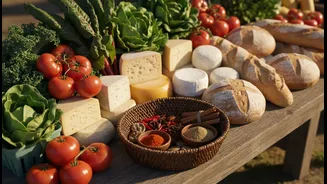
The antidote to economic leakage is community-based tourism. This model focuses on ensuring local communities have ownership and control over tourism activities, which helps keep the financial benefits circulating locally. When money is spent at a locally-owned business, it triggers a 'multiplier effect'. For example, the money you pay a local guide isn't just their income; they use it to buy groceries from a local vendor, who in turn might source produce from a local farmer. This chain reaction strengthens the entire community's economy. By consciously choosing local, your travel spending becomes a tool for sustainable development, helping to improve infrastructure, fund education, and create stable employment that reduces rural-to-urban migration.
Why Local Guides Offer More
Hiring a local guide does more than just support a resident; it fundamentally enhances your travel experience. Local guides are cultural ambassadors, offering authentic insights, stories, and access that large, standardized tour companies often miss. They can explain the nuanced history behind a monument, introduce you to a hidden culinary gem, or facilitate respectful and genuine interactions with the community. Their employment supports small businesses and fosters a sense of pride in local heritage. This direct connection provides a richer, more immersive experience that goes far beyond the typical tourist trail, turning a simple visit into a meaningful cultural exchange.
Beyond Trinkets: Authentic Local Shopping
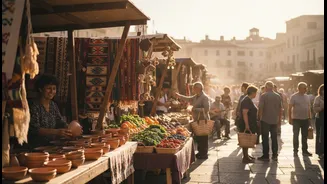
That bustling market stall or quiet artisan workshop is more than just a photo opportunity—it's a lifeline for local craftspeople. When you buy directly from the person who made the item, you are helping to preserve cultural traditions that might otherwise fade away. Many hotels and community-led initiatives in India are now actively promoting this connection, featuring the work of local weavers, potters, and painters. Opting for locally-made products over mass-produced souvenirs not only gives you a more meaningful memento but also ensures the artist receives fair compensation for their skill. This supports a circular economy where tourism provides a direct incentive for preserving local heritage and artistry.
Eat and Stay with the Community
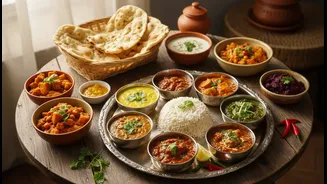
Where you sleep and eat are two of the most powerful economic choices you make as a traveller. Staying in a locally-owned homestay, guesthouse, or boutique hotel ensures your money directly supports a local family and their employees. This is a core principle of community-based tourism initiatives, which are gaining ground in states like Kerala, Rajasthan, and Himachal Pradesh. Similarly, dining at local restaurants and street food stalls, rather than international chains, channels your funds directly into the community. This approach not only provides a more authentic taste of the region's culinary culture but also supports a whole network of local suppliers and producers.