






A Perfect Storm for Pathogens
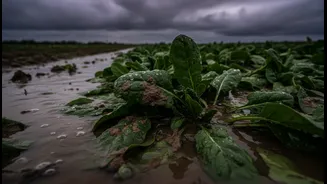
The primary reason for seasonal warnings, particularly during the monsoon, is the environment. High humidity and ambient moisture create a paradise for harmful microorganisms. Bacteria and viruses, which can cause severe gastrointestinal distress, thrive
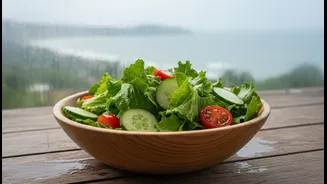
in these damp and warm conditions. This makes produce, especially leafy greens that grow close to the ground, highly susceptible to contamination long before they even reach a kitchen. The very water that gives life to these plants can become a vehicle for pathogens, which flourish in the saturated, often water-logged, environment of the rainy season.
The Risky Journey From Farm to Fork
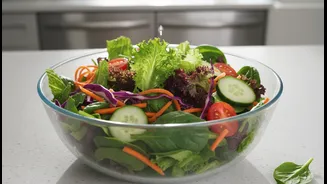
Leafy greens like lettuce, spinach, and cabbage have a perilous journey. Their contamination isn't a single event but a risk at every step. Contamination can begin in the field through contaminated soil, irrigation water, or animal droppings. The leaves' large surface area and intricate textures provide countless hiding spots for germs. During harvesting, processing, packing, and transportation, further exposure can occur from unclean hands, equipment, or cross-contamination. A single contaminated leaf can taint an entire batch of pre-packaged salad mix, turning a healthy meal into a health hazard.
Meet the Unwanted Guests
The invisible culprits behind these advisories are pathogenic bacteria and viruses. Common offenders include Salmonella, Escherichia coli (E. coli), and Listeria. These microbes are notorious for causing foodborne illnesses, with symptoms ranging from stomach cramps, diarrhea, and vomiting to more severe, life-threatening conditions. Since salad greens are most often consumed raw, there is no cooking process to kill these pathogens. What you see is what you get, microbes and all. This is why raw produce is consistently ranked as a high-risk category for food poisoning outbreaks globally.
Why Washing Is Not a Silver Bullet
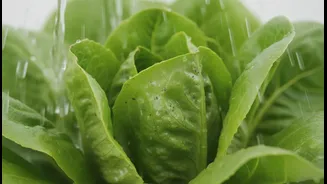
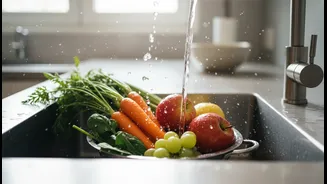
While thoroughly washing vegetables under clean, running water is always recommended, it is unfortunately not a guaranteed fix. Many people assume a good rinse will wash away all dangers, but research shows this is not the case. Pathogens can adhere strongly to the leaf surface, hiding in tiny crevices. In some cases, bacteria can even be absorbed into the plant's tissue from the soil or water, a process known as internalization, making them impossible to wash off. Bagged salads can be particularly tricky; the juices released by cut leaves can actually help bacteria like Salmonella multiply, even under refrigeration.
Smarter, Safer Salad Strategies
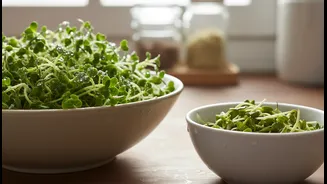
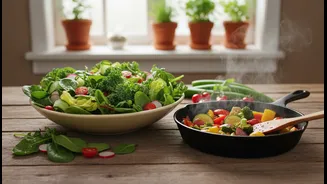
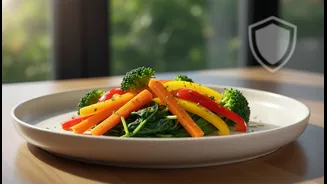
So, how can you enjoy your greens safely? During high-risk seasons like the monsoon, the simplest advice from health experts is to opt for cooked vegetables. Steaming, stir-frying, or adding greens to soups and curries effectively eliminates harmful bacteria. If you do choose to eat a raw salad, take extra precautions. Source your greens from trusted suppliers, including hydroponic farms, which operate in controlled, soil-free environments that significantly reduce contamination risks. Wash produce meticulously, but understand the limitations. For peeled vegetables like cucumbers, peeling them yourself is much safer than buying them pre-cut from outside vendors, who may operate in unhygienic conditions.