





The Power of Your Own Bodyweight
Using your own body as resistance is one of the oldest and most effective forms of strength training. It's incredibly convenient, requiring no expensive equipment and allowing you to work out anywhere, from your living room to a hotel room. For beginners,
this approach is ideal because it allows you to focus entirely on mastering proper form, which is the bedrock of any successful and safe fitness journey. Bodyweight exercises are also functional, meaning they mimic movements you use in everyday life, like pushing, squatting, and lunging. This not only builds practical strength but also improves your balance, coordination, and mobility, helping to reduce the risk of injury in your daily activities.
The Foundational Four Exercises
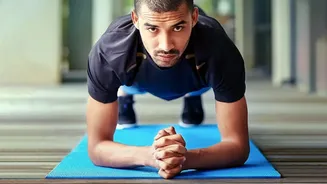
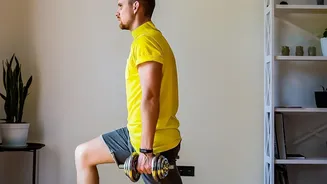
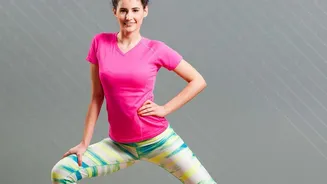
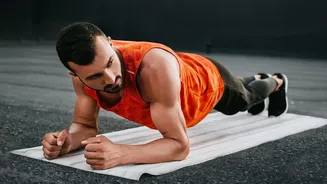
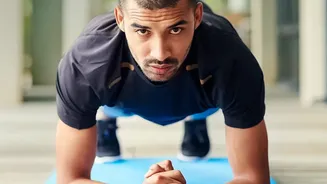
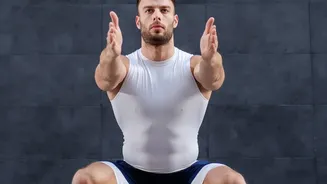
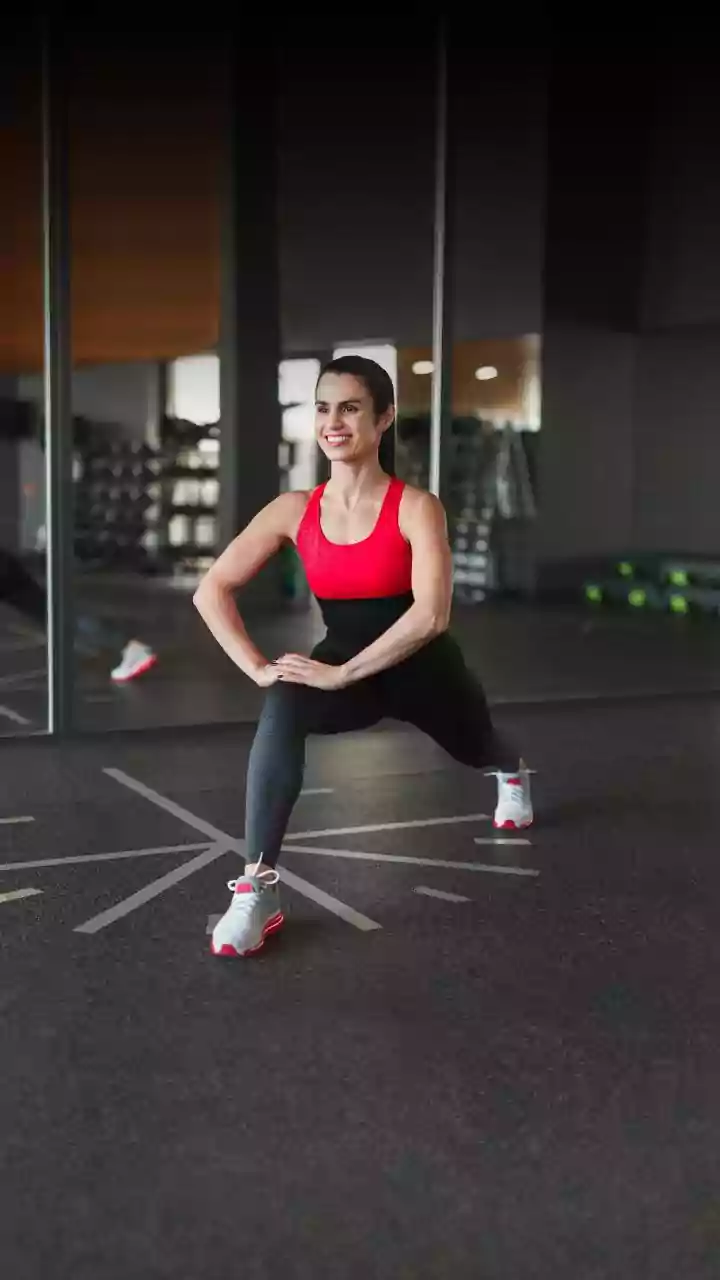
To start, focus on mastering a few fundamental movements that work your entire body. A simple and effective plan can be built around four key exercises: the squat, the push-up, the lunge, and the plank. The bodyweight squat is a full-body exercise that primarily targets your quads, hamstrings, and glutes. The push-up is a powerhouse for the upper body, building strength in the chest, shoulders, and triceps while also engaging your core. Lunges are excellent for building single-leg strength and stability, working the same lower-body muscles as squats but one side at a time. Finally, the plank is a core-stability champion, strengthening the muscles that protect your spine.
Your First Bodyweight Workout
Building a routine doesn't need to be complicated. Consistency is more important than intensity when you're starting out. Aim to perform a full-body workout two to three times per week, with at least one rest day in between to allow your muscles to recover and grow. A simple starting structure is to perform three sets of each of the four foundational exercises. For squats and lunges, aim for 10-15 repetitions per set. For push-ups, do as many as you can with good form, even if it's just a few. If you can't do a full push-up, start with an easier variation, like performing them on your knees or with your hands elevated on a sturdy surface. For planks, hold the position for 20-30 seconds. Rest for about 60 to 90 seconds between each set.
How to Keep Making Progress
Once you feel comfortable with your initial routine, it’s time to challenge yourself to keep getting stronger. This principle is called progressive overload. With bodyweight training, you can do this in several ways without adding external weight. One method is to increase your reps or sets. If you can comfortably do 15 squats, try for 18, or add a fourth set. Another technique is to slow down the movement, which increases the time your muscles are under tension. You can also decrease your rest time between sets to make the workout more intense. The most effective long-term strategy, however, is to move to a harder variation of an exercise. For instance, you can progress from knee push-ups to full push-ups, or from standard squats to Bulgarian split squats.
Listen To Your Body and Stay Consistent
The most common mistake beginners make is trying to do too much, too soon, often with poor form. It’s far more beneficial to do five perfect push-ups than 20 sloppy ones. Focus on quality over quantity. Pay attention to how your body feels. Muscle soreness is normal, but sharp pain is a signal to stop and rest. Don't forget the importance of a simple warm-up before you start and a cool-down stretch afterward. Tracking your workouts—noting your sets, reps, and which exercises you did—can be a powerful motivator and help you see how far you've come. The key to long-term success isn't a single heroic workout; it's the habit of showing up for yourself consistently, week after week.