




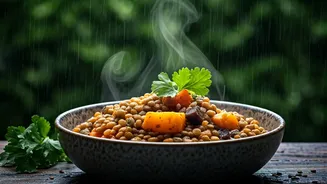



The Monsoon Dilemma
As rains nourish the land, they also create the perfect breeding ground for bacteria and microbes. The high humidity and moisture in the air can lead to faster spoilage and contamination of fresh produce. Raw foods, in particular, become a cause for concern.
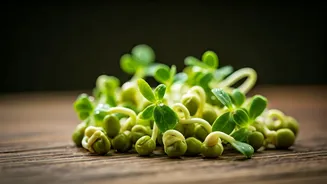
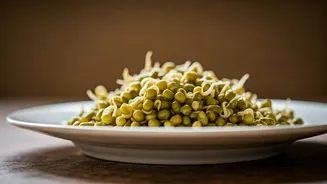
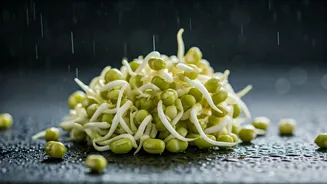
Moong sprouts, with their moist and dense structure, are especially vulnerable. The process of sprouting itself involves warmth and water, conditions that are unfortunately ideal for pathogens like E. coli and Salmonella to thrive. Furthermore, traditional wisdom and Ayurvedic principles suggest that our digestive fire, or ‘agni’, is weaker during the monsoon. The system is more sluggish, making it harder to digest raw or heavy foods, which can lead to bloating, indigestion, and other stomach ailments. This is why many health experts and our own grandmothers advise steering clear of raw salads and uncooked items during this season.
The Simple, Smart Solution
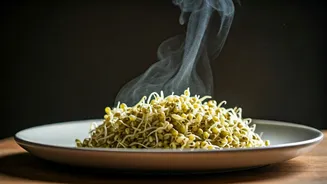
Does this mean you have to bid farewell to your favourite sprouts for three months? Absolutely not. The solution is simple and effective: cook them. Applying heat kills off any harmful bacteria, making the sprouts perfectly safe to consume. Cooking also has the added benefit of making them easier to digest, aligning perfectly with the body's needs during the monsoon. It breaks down complex fibres and proteins, allowing your gut to absorb the nutrients more efficiently without being overworked. The so-called 'makeover' for moong sprouts isn't about fancy, complicated techniques; it's about shifting your perspective from seeing them as just a raw salad ingredient to a versatile component for warm, comforting, and exciting cooked dishes. Let's explore how to transform these nutritional gems into monsoon-perfect meals.
Makeover 1: The Savoury Cheela
One of the best ways to enjoy sprouts in a new avatar is by turning them into a ‘cheela’ or savoury pancake. This classic Indian breakfast gets a massive nutritional upgrade with the addition of moong sprouts. Simply grind a cup of sprouts with a little ginger, green chillies, and a splash of water to form a smooth batter. You can add a tablespoon of gram flour (besan) or rice flour for a crispier texture. Pour the batter onto a hot tawa, cook with a little ghee or oil until golden brown on both sides, and serve hot with mint chutney or a dollop of yogurt. It’s a delicious, protein-packed, and completely monsoon-safe way to start your day.
Makeover 2: The Warm Sprout Chaat
Who says chaat has to be a guilty pleasure or a health risk? You can create a warm, comforting, and zesty sprout chaat that ticks all the right boxes for the season. Instead of using raw sprouts, lightly steam or boil them for 3-4 minutes until they are just tender but still have a slight crunch. Drain them well and transfer to a bowl. While they are still warm, add finely chopped onions, tomatoes, and boiled potato. Sprinkle with chaat masala, roasted cumin powder, a pinch of red chilli powder, and a squeeze of lime juice. Garnish with fresh coriander. This warm version gives you all the flavour of street-style chaat without the monsoon worries.
Makeover 3: The Hearty Sabzi or Curry
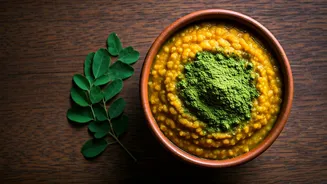
Transform sprouts from a side dish into the star of the main course. A moong sprout sabzi is incredibly easy to make and pairs wonderfully with hot rotis or rice. Start by tempering some mustard seeds and cumin seeds in oil. Sauté onions, ginger, and garlic, then add tomatoes and your usual powdered spices like turmeric, coriander, and chilli powder. Once the masala is cooked, add the moong sprouts, a little salt, and a splash of water. Cover and cook for 5-7 minutes until the sprouts are tender. This simple, home-style curry is not only comforting on a rainy day but also ensures you get your dose of plant-based protein in a safe and digestible form.
Makeover 4: The Quick & Comforting Soup
Nothing beats a warm bowl of soup on a chilly, rainy evening. Moong sprouts can be blended into a creamy, nutritious soup that is both light and filling. Sauté some garlic and onions in a little butter or oil, add the moong sprouts and some vegetable stock. Let it simmer for about 10 minutes until the sprouts are soft. You can add a potato for a thicker consistency or other vegetables like carrots and spinach. Once cooked, let it cool slightly and blend until smooth. Season with salt, black pepper, and perhaps a dash of cream for richness. This soup is a brilliant way to pack in nutrients and stay warm from the inside out.