






The Power of a Neutral Foundation
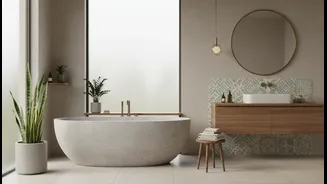
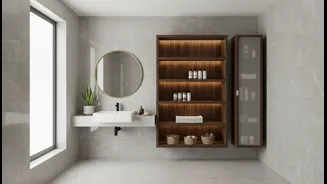
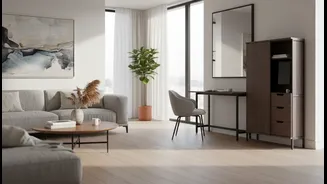
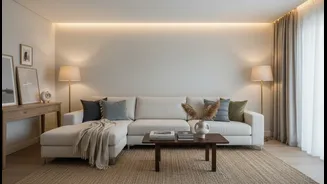
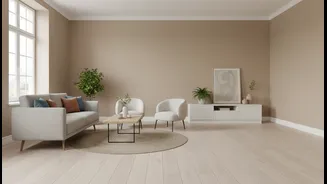
The secret to a successful multi-functional room is creating a calm, versatile backdrop. This starts with a neutral foundation—think walls, floors, and large furniture pieces. Neutral doesn't have to mean boring white. Warm shades like beige, taupe, and cream
can make a space feel cosy and inviting, while cool greys create a more modern, sophisticated look. These colours serve as a quiet canvas, making smaller rooms appear larger by reflecting light and reducing visual clutter. By keeping your biggest and most permanent elements neutral, you create a timeless base that won't clash with your changing needs or decor styles. This foundation allows other elements in the room to stand out and gives you the freedom to experiment without committing to a major overhaul.
Choosing Your Core Furnishings
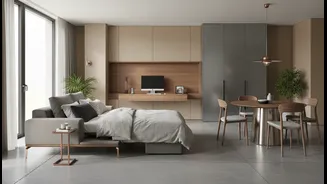
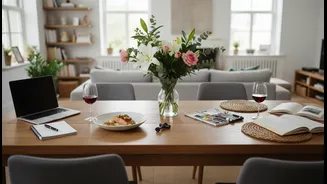
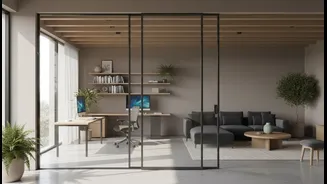
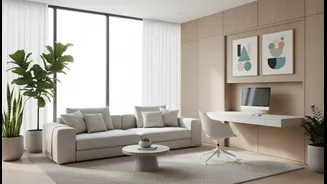
When your foundation is set, focus on furniture that is both neutral and highly functional. For pieces you'll keep for years, like a sofa or large cabinet, choose classic designs in solid, neutral fabrics. This is a long-term investment in your room's flexibility. More importantly, seek out multi-functional furniture. A sofa bed is a game-changer for accommodating guests. A coffee table with a lift-top can instantly become a workstation or dining surface. Storage ottomans can hide away clutter while providing extra seating, and nesting tables can be spread out when you have company and tucked away when you don't. In smaller Indian apartments where space is a premium, pieces like expandable dining tables and wall-mounted desks are invaluable. These hardworking items ensure your room can adapt from a workspace to a social hub in minutes.
Introducing Changeable Layers
Once your neutral base is in place, it's time for the fun part: adding changeable layers. Layering is the art of mixing textures, patterns, and colours to add personality, warmth, and depth to a room. These layers are the elements that are easy and affordable to swap out as your tastes, the seasons, or the room's function changes. Think of textiles, accessories, art, and lighting as your decorative toolkit. This is where you can truly express your personal style and bring energy into the space without altering its fundamental structure. A well-layered room feels collected and intentional, not cluttered.
Layering with Textiles and Colour
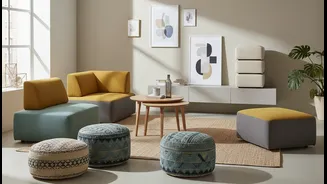
Textiles are the easiest and most impactful way to layer colour and pattern into your neutral space. Swap out cushion covers and throws to instantly change the mood—bright, vibrant block prints for a festive feel, or soft, earthy tones for a calming atmosphere. A colourful rug can define a specific zone, like a seating area, within a larger room. Even curtains can transform a space, with lighter fabrics making it feel airy and heavier ones adding a sense of cosiness. Don't be afraid to mix patterns, but try to stick to a cohesive colour palette to maintain harmony. For a subtler look, focus on layering different textures in similar tones—a woollen throw on a linen sofa, or a silk cushion next to a cotton one. This adds visual interest and a tactile quality that makes the room feel rich and inviting.
Flexible Lighting and Personal Touches
Lighting is another crucial layer that defines a room's functionality. A multi-use room needs flexible lighting. Combine ambient (overall) lighting from a ceiling fixture with task lighting (like a reading lamp or desk light) and accent lighting (to highlight artwork). This allows you to change the room's atmosphere with the flick of a switch, creating a bright workspace or a dim, relaxing lounge. Finally, accessorise with items that tell your story. Artwork, family photographs, collected objects, and plants are the final layers that make a house a home. These are the most personal elements and can be easily moved or updated. Grouping smaller items on a tray or shelf keeps them from looking like clutter while still adding that essential touch of personality.