


The Psychology of a Fuller Bowl
Have you ever noticed how the same amount of food can look small on a large plate but plentiful in a smaller bowl? This is a well-known visual trick called the Delboeuf illusion. Our brains judge quantity based on the space around the food. When you serve
a healthy portion of salad in a large bowl, the empty space can make the meal seem insufficient, leaving you feeling unsatisfied. Research has shown that people tend to serve themselves significantly more food when using larger bowls. By choosing a smaller, 'portion-friendly' bowl, you fill it to the brim, visually signalling to your brain that you have an abundant, generous meal. This simple act promotes mindful eating and can lead to greater satisfaction from an appropriate amount of food, helping you manage caloric intake without feeling deprived.
What Makes a Salad 'Mediterranean'?
The Mediterranean diet isn't a strict regimen but a lifestyle inspired by the traditional eating habits of countries bordering the Mediterranean Sea. It emphasizes whole, minimally processed foods. The foundation is built on fresh vegetables, fruits, whole grains, legumes like chickpeas and beans, and healthy fats, with extra virgin olive oil being the star. Fish and poultry are eaten in moderation, while red meat is limited. A Mediterranean salad, therefore, isn't just about lettuce; it's a vibrant mix of colourful, nutrient-dense ingredients that create a complete and balanced meal. It’s naturally anti-inflammatory and packed with vitamins, minerals, and fibre.
Choosing the Right Bowl
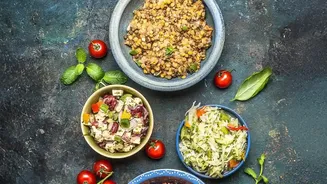
A portion-friendly bowl isn't just about being small. Look for a bowl that is deep rather than wide and shallow. A good size is typically around 15-20 centimetres in diameter. This shape helps to contain the salad, making it easier to mix with dressing and allowing the ingredients to pile up, enhancing that feeling of abundance. The material doesn't matter as much as the size, so whether you choose ceramic, glass, or wood, focus on finding a bowl that makes your healthy portion look and feel like a feast. Using these bowls consistently helps retrain your eyes to recognise appropriate serving sizes.
The Foundation: Fresh Vegetables
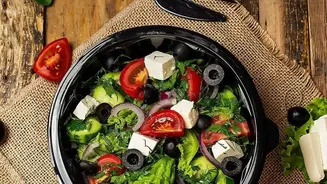
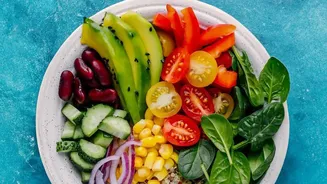
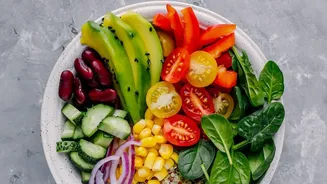
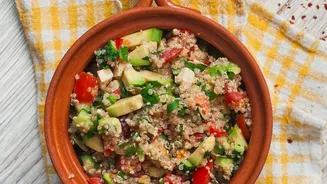
Start your salad with a base of fresh, crisp ingredients. While many recipes use romaine lettuce or arugula, a true Mediterranean salad often focuses on chopped vegetables without any leafy greens at all. A classic combination includes juicy tomatoes, crisp cucumber, and thinly sliced red onion. These form the hydrating and flavourful core of your salad. For an Indian kitchen, feel free to use local, seasonal cucumbers and ripe tomatoes. Don't be afraid to add other vegetables like bell peppers (capsicum) of any colour for extra sweetness and crunch. The key is a variety of textures and colours.
Protein and Substance for a Full Meal
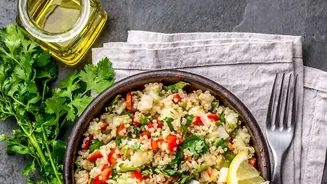
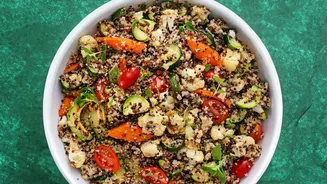
To turn your salad from a side dish into a satisfying main course, protein is essential. Canned or boiled chickpeas (chana) are a classic Mediterranean staple and a fantastic source of plant-based protein and fibre. Lentils (dal) also work beautifully. For non-vegetarian options, grilled chicken or fish are excellent choices. In an Indian context, grilled paneer cubes, tossed with a little salt and herbs, make a wonderful, hearty addition that aligns perfectly with the spirit of the diet. Adding a protein source ensures your meal keeps you full and energised for longer.
Flavour Boosters: Olives, Cheese, and Herbs
This is where the salad comes alive. Salty, briny Kalamata olives are a hallmark of Mediterranean flavour. Creamy feta cheese, crumbled over the top, provides a tangy richness and another hit of protein. If feta isn't available, a soft, crumbly paneer or a mild goat cheese can work. Fresh herbs are non-negotiable for authentic flavour; chopped parsley and mint are fantastic for bringing a wave of freshness that cuts through the richness of the olive oil and cheese. You can also add nuts like walnuts or almonds for a healthy crunch.
The Simplest, Tastiest Dressing
Forget heavy, creamy store-bought dressings. A classic Mediterranean vinaigrette is incredibly simple and elevates all the fresh flavours in your bowl. All you need are three main ingredients: extra virgin olive oil, fresh lemon juice, and a pinch of dried oregano. A common ratio is about two parts olive oil to one part lemon juice. Simply whisk them together in a small bowl or shake them in a jar with salt and freshly ground black pepper to taste. For extra tang, you can add a splash of red wine vinegar or a tiny bit of Dijon mustard to help it emulsify. This dressing is light, healthy, and lets the ingredients shine.