


Your Foundational Fitness Guide
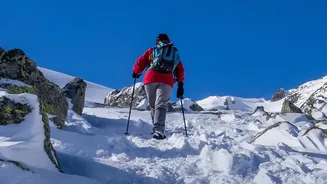
Before lacing up your boots, establishing a baseline of fitness is non-negotiable for any winter trek. The cold, snow, and altitude demand more from your body. Start your preparation at least four to six weeks in advance. Your goal should be to build
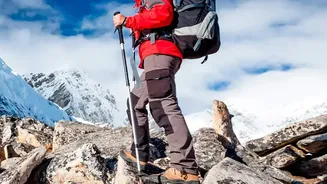
cardiovascular endurance, strength, and resilience. A good benchmark for most easy-to-moderate treks is the ability to jog 5 km in about 40 minutes. For strength, focus on your legs and core; exercises like squats, lunges, and climbing stairs are excellent. Aim to climb a few flights of stairs daily. Practice walking on uneven terrain, if possible, and try at least one long walk with a backpack weighing 8-10 kg to simulate trek conditions. Finally, incorporate breathing exercises to improve lung capacity, which is crucial for handling higher altitudes where oxygen is thinner.
Beginner's Delight: Easy-to-Moderate Treks
For those new to winter trekking, several trails offer breathtaking rewards without overwhelming technical challenges. The Kedarkantha and Brahmatal treks in Uttarakhand are classic choices. Kedarkantha, reaching an altitude of 12,500 ft, is famous for its stunning campsites like Juda Ka Talab and 360-degree summit views. It's considered beginner-friendly, though the summit day involves a long, early-morning climb. The total trek is around 20-25 km over four to six days. Brahmatal (12,250 ft) is another excellent option, known for its views of Mt. Trishul and Nanda Ghunti, and walks past two frozen alpine lakes. It's graded easy-to-moderate, with a gentler gradient than many other winter treks, making it a kind introduction to high-altitude trekking. The daily walking distance is manageable, but camping in sub-zero temperatures makes preparation essential.
Stepping Up: The Moderate Challenge
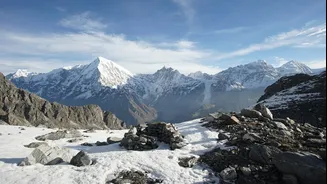
If you have some trekking experience or a solid fitness base, the Kuari Pass trek (around 12,500 ft) is a fantastic moderate option for the 2026-27 winter. Also known as the Lord Curzon Trail, it offers one of the most spectacular mountain panoramas accessible to beginner and intermediate trekkers, including a clear view of Nanda Devi, India’s second-highest peak. The trail, covering about 30-35 km over six days, winds through beautiful oak and rhododendron forests that are blanketed in snow during winter. While not technically difficult, the trek requires good stamina, especially on summit day, which can involve 8-10 hours of walking. Fitness preparation should focus on endurance; being able to jog 5 km in 30 minutes is a good fitness target to aim for.
The Ultimate Test: A Difficult Expedition
For seasoned trekkers seeking a unique and formidable challenge, the Chadar Trek in Ladakh is legendary. This expedition involves walking on the frozen Zanskar River, a sheet of ice known as 'chadar'. Rated as difficult, the challenge comes not from altitude gain but from the extreme conditions. Temperatures can plummet to as low as -35°C at night. The trek requires high physical endurance and, crucially, mental preparation for the harsh cold and the unique skill of walking on ice. A medical fitness certificate is mandatory. Preparation must be rigorous, starting 10-12 weeks prior, with a goal of being able to jog 10 km comfortably in under 60 minutes and experience with previous high-altitude treks. This is an adventure for those who are physically and mentally prepared to step far out of their comfort zone.