


Beyond the Itinerary
Slow travel is less a vacation style and more a mindset. It’s the conscious decision to explore a destination at a leisurely pace instead of racing through a list of attractions. The philosophy is simple: quality over quantity. Instead of seeing five
cities in five days, a slow traveller might spend an entire week in a single village, getting to know its rhythms, people, and culture on an intimate level. This approach encourages staying in locally-owned homestays, eating at small family-run restaurants, and investing time in genuine human connection. It's a departure from the pressures of a hyper-scheduled holiday, allowing for spontaneity and a true sense of place.
The Search for Authenticity
So, why is this trend resonating so deeply with millennial and Gen Z travellers in India right now? The reasons are multifaceted. For many, it's a direct reaction to the burnout of fast-paced urban life and a desire to disconnect from the digital world. The post-pandemic era has also shifted priorities, with a greater emphasis on mental well-being and meaningful experiences over fleeting, picture-perfect moments. There's a growing rebellion against what some call 'Instagram tourism', where destinations are chosen for their social media potential rather than their intrinsic value. Young Indians are now seeking authentic stories and sustainable travel options that respect local communities and environments.
Orchha: Where Time Stands Still
One town reaping the benefits of this shift is Orchha in Madhya Pradesh. This medieval town, perched on the banks of the Betwa River, feels like a world away from the tourist trail. Instead of crowds, you’ll find magnificent cenotaphs, towering temples, and sprawling palaces that seem to rise organically from the landscape. The pace of life is unhurried. Days here can be spent wandering through ruins, watching the sunset over the river, and simply soaking in the serene atmosphere. It’s the perfect place to understand that the purpose of travel isn't just to see new things, but to experience a different way of being.
Munsiyari: The Last Himalayan Frontier
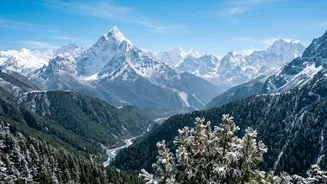
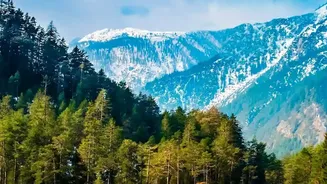
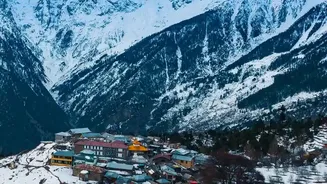
For mountain lovers weary of the commercialised buzz of Shimla or Nainital, Munsiyari in Uttarakhand offers a powerful alternative. This small, quiet town provides breathtaking, front-row views of the snow-clad Panchachuli peaks. Serving as a base for serious trekkers heading to remote glaciers, it also caters to those who simply want to sit with a cup of chai and watch the mountains change colour. The journey to Munsiyari is long, which naturally filters out the casual tourist and rewards the slow traveller with unparalleled peace and a deep connection to nature in its rawest form.
Bundi: A Hidden Hue of Blue
While Jodhpur is famously known as Rajasthan's 'Blue City', the smaller town of Bundi offers a more intimate and less-trodden experience. Its narrow, winding lanes are lined with Brahmin-blue houses, leading to a spectacular Taragarh Fort that looms over the town. Bundi is also renowned for its ancient 'baoris' or stepwells, intricate architectural marvels that tell stories of a bygone era. For the slow traveller, it’s a haven for aimless wandering, photography, and discovering history without the jostle of large tour groups. It’s a city that rewards curiosity at every turn.
Ziro Valley: A Symphony of Green
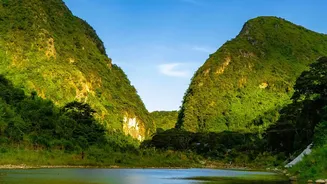
Deep in the northeast, Ziro Valley in Arunachal Pradesh is the epitome of a slow travel destination. A candidate for the UNESCO World Heritage list, this valley is home to the Apatani tribe and their unique system of agriculture, creating a stunning landscape of paddy fields interspersed with pine and bamboo groves. Travel here is about immersion—in the landscape and the local culture. Visitors can explore Apatani villages, learn about their sustainable living practices, and experience a part of India that remains profoundly connected to its roots. Ziro isn’t a place you 'do'; it's a place you 'feel'.