






The Scale of the Price Hike
Tata Motors has announced that the price increase will be up to ₹25,000. It's important to note this is not a flat increase across all vehicles. The final hike will vary depending on the specific model and variant you choose. The company has stated that this revision
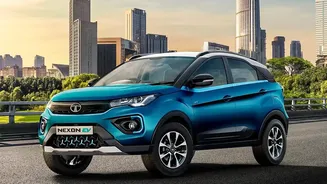
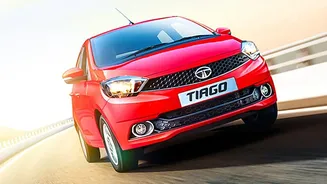
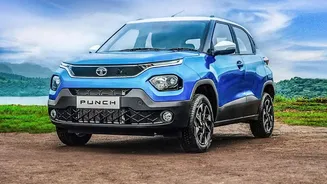
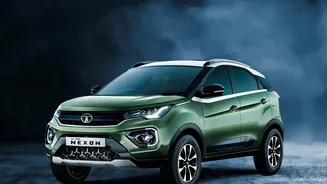
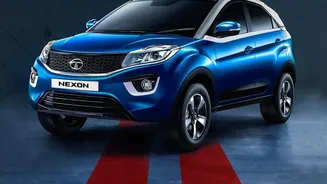
applies to its entire passenger vehicle portfolio, which includes petrol, diesel, CNG, and electric models. This means popular cars like the Nexon, Punch, Harrier, Safari, and Altroz will all see their prices adjusted upwards from the start of September.
Why Are Prices Increasing Again?
The primary reason cited by Tata Motors for this price revision is the need to partially offset the impact of rising input costs and sustained inflationary pressures. Automakers deal with fluctuating prices for raw materials like steel and other essential commodities. When these costs rise significantly, companies often pass a portion of the increased expense on to customers to protect their operational margins. This isn't unique to Tata; other major car manufacturers in India have also recently announced similar price hikes, pointing to the same industry-wide cost pressures.
The Waiting Period Dilemma
Here is where the decision to buy now becomes complicated. Booking a car before September 1 does not automatically guarantee you will pay the pre-hike price. The key factor is the vehicle's waiting period. As of August 2026, some of Tata's most popular models have significant waiting times. For instance, certain variants of the Tata Punch can have a waiting period of up to 12 weeks, while high-demand EVs like the Punch EV and Tiago EV can see waits stretching to six months. Even the popular Harrier and Safari models command a wait of around 10 to 12 weeks. On the other hand, models like the Altroz, Tigor, and petrol variants of the Nexon have much shorter waiting periods, sometimes as little as one to four weeks.
Understanding 'Price Protection'
In the past, Tata Motors has offered 'price protection' to customers who book a vehicle before a price increase comes into effect. This policy means the buyer pays the ex-showroom price that was applicable at the time of booking, not at the time of delivery. However, this is not always guaranteed and policies can change. Before you make a booking, it is absolutely critical to get written confirmation from your dealership about their price protection policy. Ask them directly: if your car's delivery is delayed beyond September 1, will they honour the pre-hike price? Furthermore, be aware that price protection typically applies only to the ex-showroom price. Other charges that make up the final on-road price, such as road tax and registration, are often calculated based on the prevailing ex-showroom price at the time of registration, meaning they could still increase.
So, What Should You Do?
Your decision should be based on the specific car you want and its corresponding waiting period. If you are eyeing a model with a short waiting time of one to two weeks, like an Altroz or a specific Nexon variant, booking before September 1 is a logical move to save money, provided the dealer confirms price protection. You have a high chance of taking delivery before the new prices kick in. However, if you plan to buy a car with a long waiting period, such as a Tata Punch Smart variant (up to 12 weeks) or a Punch EV (up to 24 weeks), the situation is riskier. A booking in late August will almost certainly result in a delivery that happens months later. In this scenario, you may not be protected from the price hike. Rushing to book without a clear price protection commitment from the dealer could lead to a false sense of saving.