






More Than Just a Gentle Stroll
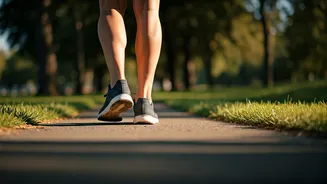
Don’t underestimate the power of putting one foot in front of the other. A consistent evening walking habit is a potent tool for physical health. Regular walking is a form of moderate aerobic exercise that strengthens your heart, improves blood circulation,
and can help lower blood pressure. It plays a significant role in managing weight, as a brisk 30-minute walk can burn a surprising number of calories. For those concerned about blood sugar, a walk after dinner has a distinct advantage, helping to regulate glucose levels following your evening meal. It's also a low-impact exercise, meaning it's gentle on your joints, like knees and hips, while still helping to strengthen the surrounding muscles and improve mobility. This makes it an ideal and sustainable activity for people of all ages and fitness levels.
A Workout for Your Mind
The benefits of an evening walk extend far beyond the physical. The end of the day is often when stress and mental fatigue peak. A walk can act as a powerful antidote, helping to clear your mind and transition from a state of work to one of relaxation. Exercise like walking increases blood flow to the brain and triggers the release of endorphins, the body’s natural mood boosters. This can effectively reduce feelings of stress and anxiety. Studies have shown that regular physical activity, including brisk walking, can lower the risk of depression. Furthermore, the rhythmic motion of walking can be meditative, allowing you to disconnect from daily worries and practice mindfulness. An evening walk can also improve your sleep quality by helping to regulate your body's internal clock, setting you up for a more restful night.
From Casual Pace to Serious Workout
To elevate your walk from a casual stroll to a serious workout, the key is to introduce intensity and variety. Instead of maintaining one easy pace, focus on making parts of your walk more challenging. One of the most effective methods is interval training: alternate between periods of brisk, fast-paced walking and periods of slower recovery. This method pushes your heart rate up and burns more calories than a steady-state walk. You can also incorporate your environment. Seek out routes with hills or stairs to engage more muscles and build strength. Changing your terrain from pavement to grass or gravel can also provide a new challenge. Good posture is crucial; stand tall, engage your core, and pump your arms to involve your upper body and increase the workout's overall impact.
Adding Resistance and Structure
Another way to increase the difficulty and effectiveness of your walk is to add resistance. This doesn't require a full set of gym equipment. Simply carrying light hand weights or wearing a weighted vest can make a significant difference, forcing your muscles to work harder. You can even incorporate simple bodyweight exercises into your route. Pause every few minutes to do a set of squats, lunges, or push-ups against a park bench. For a more structured approach, consider the 'rucking' method, which involves walking with a weighted backpack. The goal is to consistently challenge your body. To track your progress, you could time a specific route, like a 5-kilometre walk, and aim to beat your previous time each month. This provides a clear benchmark for your improving fitness.