

The Science of a Single Pot
One-pot cooking is more than just a convenient way to minimize cleanup. It’s a method of flavor creation where every ingredient contributes to a deeper, more complex whole. As vegetables, grains, and liquids simmer together, their flavors meld in ways
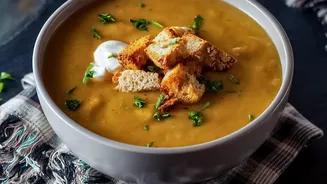
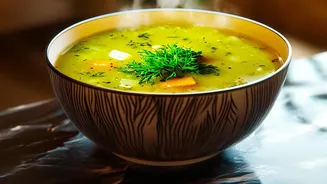
that simply don't happen when cooked separately. Slower methods, like stews or braises, allow juices to comingle and soak up herbs and seasonings, creating a rich broth that infuses every component of the dish. Nutrients released from vegetables are reabsorbed by absorbent ingredients like rice or beans, making the entire meal more cohesive and nourishing. This process explains why many stews and curries often taste even better the next day; the flavors have had more time to marry.
Unlocking Sweetness and Savory Depth
Two chemical reactions are fundamental to building flavor: caramelization and the Maillard reaction. Caramelization happens when the natural sugars in vegetables brown with heat, creating sweet, nutty, and complex notes. This is why a roasted carrot tastes profoundly sweeter than a steamed one. The Maillard reaction is a similar browning process that occurs when amino acids (from proteins) and sugars react with heat, typically above 285°F. It’s responsible for the savory, 'meaty' crust on seared foods and the aroma of baking bread. While often associated with meat, this reaction is crucial in plant-based cooking, adding rich, umami flavors to everything from tofu and mushrooms to the onions that form the base of a sauce. High-heat, one-pan methods like roasting or sautéing are excellent for achieving this effect.
Technique: Building Flavor in Layers
The key to a truly memorable one-pot meal is layering. Instead of adding everything at once, ingredients are added in stages to maximize their flavor contribution. The process typically starts with fat, like oil or butter, which carries flavor. Next come the aromatics—onions, carrots, and celery—which are cooked slowly until they soften and release their sugars. This foundational step should not be rushed. Quicker-cooking aromatics like garlic or ginger are added later to prevent them from burning and turning bitter. Spices are often 'bloomed' in the hot oil for 30 to 60 seconds to unlock their essential oils before any liquid is added. Any browned bits stuck to the bottom of the pot, known as 'fond', are a goldmine of concentrated flavor and can be lifted by deglazing the pan with a liquid like wine, stock, or even water.
Choosing Your One-Pot Method
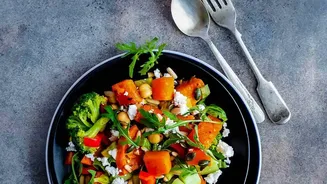
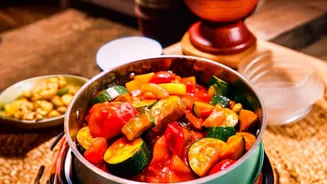
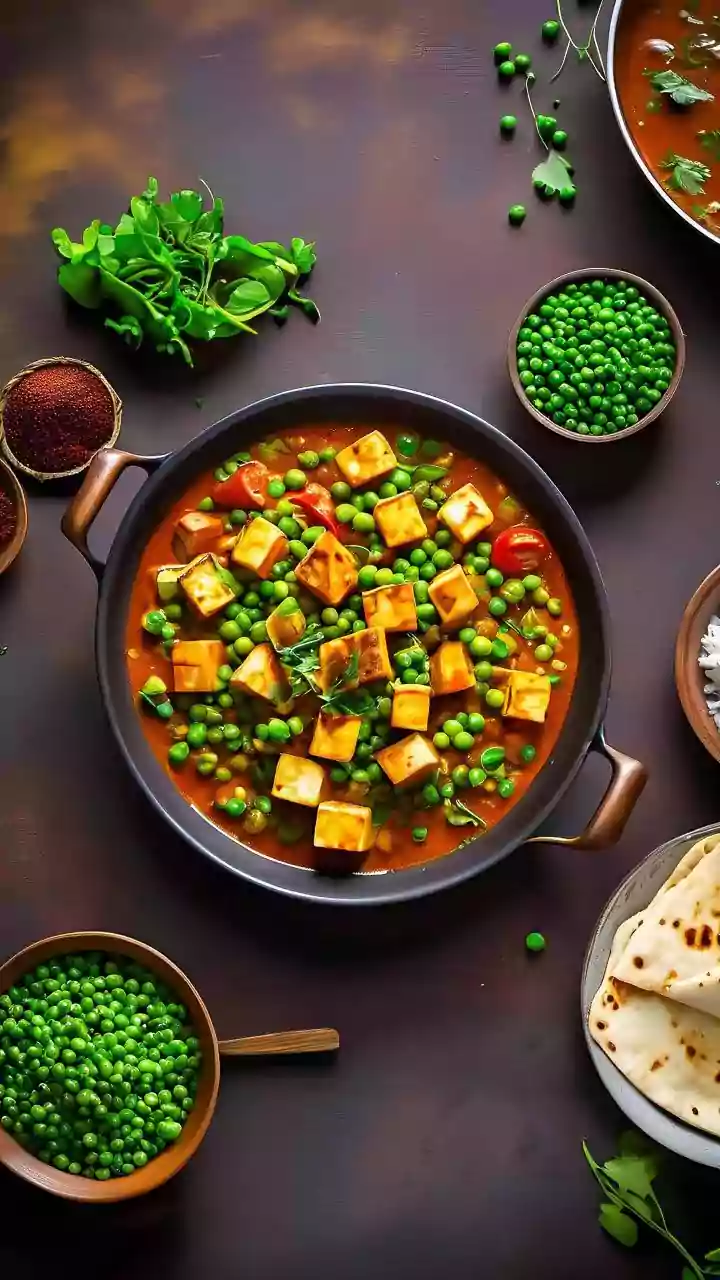
Different one-pot styles leverage these principles in unique ways. Stews and Curries: These slow-simmered dishes are masters of melding flavors. Starting with a well-developed aromatic base and bloomed spices creates a foundation that liquids like coconut milk or vegetable stock build upon. Legumes and root vegetables become tender while absorbing the surrounding flavors. Sheet-Pan Roasts: This high-heat method excels at caramelization. By spreading vegetables in a single layer on a sheet pan, you give them space to brown and crisp up rather than steam. This concentrates their natural sugars and creates incredible texture. Sautéing and Stir-Frying: These quick, high-heat methods rely on direct contact with the pan to create browning and flavor. The key is to not overcrowd the pan and to let vegetables sit for a moment to develop a golden, caramelized edge before tossing.
The Finishing Touches
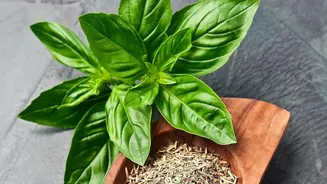
The final layer of flavor is added at the end of cooking to provide brightness and contrast. A splash of acid, like lemon juice or vinegar, can cut through richness and make the entire dish feel more vibrant. Fresh herbs, such as parsley or basil, added right before serving lend a fresh, aromatic lift that cooking would otherwise diminish. Even a final drizzle of a flavorful fat like a good olive oil can tie all the elements together. Remember to taste and adjust seasoning at the very end; a final pinch of salt or a squeeze of lime can be the small detail that makes a huge difference.