





The Magic of the Green Jungle
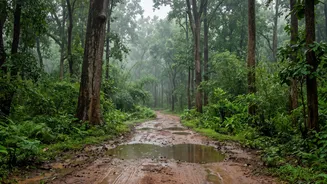
A post-monsoon safari is unlike any other. The forest, having rested for three months, is reborn. The landscape is a brilliant green, water bodies are full, and the air is crisp and free of summer dust. This period, from October through November, offers
a unique sensory experience. While the dense foliage can make spotting wildlife more of a challenge, the sheer beauty of the rejuvenated ecosystem is a powerful draw. It's a photographer's dream, with dramatic light filtering through the thick canopy and misty mornings creating an ethereal atmosphere. It’s a time not just for chasing predators, but for appreciating the entire, vibrant forest coming back to life.
Key Parks Reopening in October 2026
Most of India’s premier national parks reopen their core zones around the first of October. Ranthambore National Park in Rajasthan, famous for its tiger sightings against the backdrop of ancient forts, resumed its full operations on October 1. In Madhya Pradesh, the 'Tiger State', parks like Kanha, Bandhavgarh, and Pench also welcome visitors again in October. Kanha reopened on October 1st, while Bandhavgarh and Pench are scheduled to reopen their core areas around October 15th or 16th. In Uttarakhand, Jim Corbett National Park has a staggered opening; while buffer zones like Jhirna and Dhela remain open year-round, key zones like Bijrani and Durga Devi open from mid-October, and the iconic Dhikala zone opens on November 15th. In Assam, Kaziranga National Park, a UNESCO World Heritage site, reopened on October 3rd.
Navigating the Season's Rules
Planning a safari requires understanding the rules, which are strictly enforced. Booking your safari permits online and well in advance is non-negotiable, as seats on both the six-seater Gypsy (jeep) and 20-seater Canter (bus) fill up fast. Most booking systems for parks like Ranthambore and Bandhavgarh open 90 days in advance. Be prepared with a valid government-issued photo ID (like an Aadhaar card or passport), as the name on your booking must exactly match your ID, which you must carry with you on safari. Zone allocation is often automated and cannot be chosen by the visitor, so booking multiple safaris can increase your chances of experiencing different parts of the park. Some parks, like Ranthambore, have also introduced new rules, such as a ban on mobile phone usage in core areas to enhance the wilderness experience.
Managing Your Wildlife Expectations
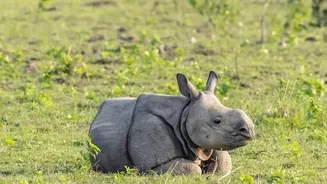
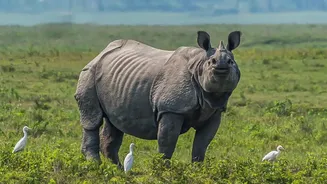
The biggest draw for many is the Royal Bengal Tiger, but it's crucial to set realistic expectations for the post-monsoon period. The dense, tall grasses and thick foliage can make spotting the elusive big cat more difficult than in the hot summer months when they are drawn to waterholes. Wildlife is more dispersed due to the abundance of water and food throughout the forest. However, this doesn't mean your safari will be without excitement. The post-monsoon season is phenomenal for birdwatching, with resident species in full song and the first winter migrants arriving. You are also likely to see large herds of deer, wild boar, monkeys, and, in parks like Corbett and Kaziranga, majestic elephants and rhinos. The key is to embrace the entire experience: the sounds, the smells, and the thrill of tracking animals in a wild, beautiful landscape.