







The Promise of High-Speed Wilderness
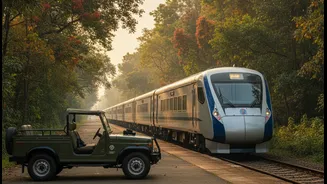
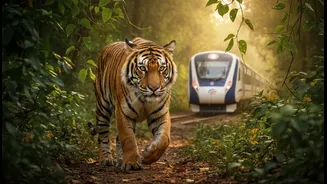
The message is compelling and clear: India’s premier wildlife sanctuaries are now just a comfortable, high-speed train ride away. Recent articles and travel promotions highlight how new Vande Bharat routes bring tourists closer than ever to iconic national
parks. Travellers can take a train to Mysuru and be at the entrance of Bandipur National Park in two hours, or ride the Vande Bharat to Veraval, just 45 km from the world’s only home for Asiatic lions in Gir National Park. Routes to Sawai Madhopur for Ranthambore, Dehradun for Jim Corbett, and Guwahati for Kaziranga are similarly being celebrated for making wildlife getaways more accessible without needing a flight. This network expansion is hailed as a game-changer, democratising nature travel for business and leisure travellers alike. The promise is one of convenience, comfort, and a seamless connection to the wild.
Beyond the Glossy Brochures
The excitement is understandable, but it overlooks a critical question: are these fragile ecosystems prepared for the surge in visitors that such easy access will inevitably bring? Wildlife tourism in India is already a multi-billion dollar industry, projected to grow significantly. While it can be a force for good—funding conservation and providing livelihoods—unregulated tourism poses serious threats. The problem isn't the train itself, but the lack of a corresponding plan to manage its impact. The 'hype' focuses on speed and accessibility, while the necessary 'context' about carrying capacity, ecological strain, and the potential for negative consequences remains largely unaddressed. Simply building a faster path to a sanctuary’s doorstep without reinforcing the door is a risky strategy.
The Ecological Price of Convenience
Increased tourist footfall, if not managed scientifically, can be devastating for wildlife. More vehicles, more noise, and more human presence contribute to stress on animals, potentially altering their natural behaviours. Habitat loss and fragmentation are already major threats to India's wildlife, driven by infrastructure development. While Indian Railways has been working on innovative solutions like AI-based detection systems to prevent collisions with animals on tracks, the impact of tourism extends far beyond the railway lines. The influx of visitors puts pressure on resources within and around the parks, from water consumption at hotels to the generation of plastic waste. Without strict enforcement of buffer zones and eco-sensitive regulations, the convenience of travel could lead to the degradation of the very wilderness people are coming to see.
Are Local Communities Being Left Behind?
Sustainable tourism is about a symbiotic relationship between visitors, wildlife, and local communities. When done right, ecotourism empowers local populations by creating jobs for guides, lodge staff, and artisans, giving them a direct stake in conservation. However, a sudden, hype-driven boom can have the opposite effect. It can lead to overcrowding, strain on local infrastructure, and a rise in the cost of living that displaces the very people who have co-existed with the wildlife for generations. The question we must ask is whether the economic benefits of this new wave of tourism will be equitably distributed or if they will be captured by large operators, leaving local communities to deal with the social and environmental fallout. True sustainability requires community involvement from the planning stage, not as an afterthought.
A Blueprint for Responsible Travel
Adding context means shifting the focus from simply 'getting there' to 'being there responsibly'. This requires a coordinated effort. The National Tiger Conservation Authority (NTCA) already has guidelines for tourism in tiger reserves, but these need to be strengthened and rigorously applied. We need to cap the number of daily visitors based on scientific assessments of each park's carrying capacity. Tourists must be educated on ethical practices: maintaining a safe distance from animals, not littering, staying on designated trails, and choosing certified eco-lodges that prioritise conservation. Operators should be held to higher standards, and low-impact activities like birdwatching and nature walks in buffer zones should be promoted to distribute tourist pressure away from core areas. The conversation must move from marketing convenience to managing impact.