





Why Humid Air and Acne Are a Perfect Storm
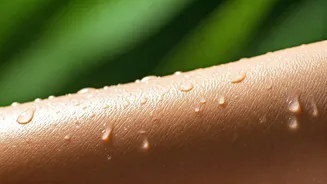
So, what’s the connection? When the air is saturated with moisture, it creates a specific environment on your skin that can lead to breakouts. Firstly, high humidity signals your sebaceous glands to go into overdrive, producing more oil (sebum). This
excess oil doesn't just sit there; it mixes with the increased sweat your body produces in the heat. This sticky combination of sweat and oil acts like a glue, trapping dirt, dead skin cells, and pollutants on your skin's surface, which leads to clogged pores—the starting point for whiteheads and blackheads. Furthermore, this warm, moist environment is the perfect breeding ground for acne-causing bacteria to thrive, which can turn a simple clogged pore into an inflamed, angry pimple.
Is It Acne or Something Else?
Interestingly, not all bumps that appear in humid weather are traditional acne. The same conditions that encourage bacterial acne also promote the overgrowth of a yeast that naturally lives on our skin. This can lead to what is known as Malassezia folliculitis, or 'fungal acne'. These breakouts often appear as small, itchy, uniform red bumps, commonly on the chest, back, and upper arms. If your breakouts don't respond to typical acne treatments, it might be worth considering this possibility and consulting a dermatologist for a proper diagnosis.
Your Skincare Action Plan for Humid Weather
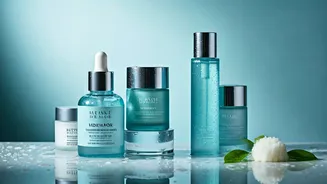
Fighting humidity-driven acne isn’t about trying to stay dry 24/7; it’s about adjusting your routine. Start by cleansing your face twice daily with a gentle but effective cleanser. Products containing salicylic acid can be particularly helpful as they exfoliate inside the pores to remove oil and debris. Next, don't skip the moisturiser. It may feel counterintuitive to add moisture when the air is damp, but dehydrated skin can overcompensate by producing even more oil. The key is to switch to a lightweight, oil-free, or gel-based moisturiser that won’t clog your pores. Look for products labelled 'non-comedogenic'. Finally, sunscreen is non-negotiable. Again, opt for an oil-free, lightweight formula to protect your skin without contributing to congestion.
Key Ingredients to Look For
When scanning product labels, a few key ingredients can make a world of difference. Salicylic Acid (a BHA) is excellent for deep-cleaning pores and managing oil. Niacinamide is a multitasking hero that helps regulate oil production, calm inflammation, and improve the appearance of post-acne marks. For hydration without the weight, look for hyaluronic acid or glycerin, which draw moisture into the skin without feeling heavy. If you have more stubborn acne, ingredients like benzoyl peroxide can help by killing bacteria. For those concerned with marks left behind by breakouts, alpha arbutin is a gentle option for evening out skin tone.
Lifestyle Habits That Make a Difference
Your daily habits play a huge role, too. Make it a rule to shower and change out of sweaty clothes as soon as possible after a workout or being outdoors. Trapped sweat, especially under tight clothing, can lead to body acne on the back and chest. Choosing breathable fabrics like lightweight cotton over synthetics like polyester can also help by allowing sweat to evaporate more easily. It's also wise to avoid touching your face, as your hands can transfer dirt and bacteria. Lastly, stay hydrated by drinking plenty of water, as this helps your skin function optimally and flush out toxins.
Common Mistakes to Avoid
In the quest for clear skin, it's easy to overdo it. One common mistake is over-washing or scrubbing your face too harshly, which can strip the skin of its natural oils, causing irritation and paradoxically, more oil production. Another pitfall is using heavy, occlusive creams, foundations, or sunscreens. These products can create a seal over your skin, trapping sweat and oil, which is a recipe for disaster in high humidity. Always check for non-comedogenic and oil-free labels on both skincare and makeup products.