





The Physical Payoff
From a pure cardiovascular standpoint, both running and vigorous dancing are excellent. Running is a straightforward, high-impact workout that elevates your heart rate and builds endurance. It primarily targets your lower body but engages your core for stability.
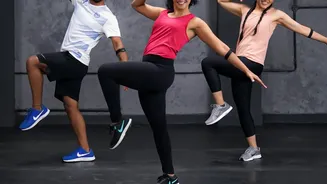
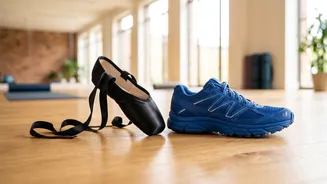
Dancing, on the other hand, is a full-body workout. Depending on the style—from high-energy Zumba to ballet—it can provide an aerobic challenge equivalent to jogging or running. A University of Brighton study even found that 30 minutes of contemporary dance can burn more calories than 30 minutes of running. Furthermore, dance often involves multi-directional and rotational movements, engaging stabilizer muscles that running typically misses. This can lead to improved balance, coordination, and flexibility.
The Mental and Emotional Boost
Exercise is a well-known mood booster, but running and dancing stimulate the brain in unique ways. Runners often chase the famed 'runner's high', an endorphin-fueled state of euphoria. For many, it's a meditative, solitary activity that clears the mind. Dancing provides a different kind of mental stimulation. Learning choreography, synchronizing with music, and reacting to a partner all challenge the brain's cognitive functions like memory and spatial awareness. This novelty is key for long-term brain health and may offer advantages over more repetitive exercises. Studies suggest dance training can improve emotional regulation and may be more effective than other exercises at reducing anxiety and depression for some populations.
The Impact on Your Joints
One of the most significant differences lies in the physical stress each activity places on the body. Running is famously high-impact; with every stride, your joints absorb a significant amount of force. While some research suggests running can actually be beneficial for knee health by reducing inflammation, it carries a known risk of repetitive stress injuries, especially in the knees, shins, and feet. Most styles of dance are considered lower-impact. However, dance has its own injury risks, often related to overuse, poor technique, or the extreme ranges of motion required in styles like ballet. Twists, turns, and jumps can lead to injuries in the ankles, hips, and back if not performed with proper form and conditioning.
The Social vs. Solitary Question
Your personality can play a huge role in which exercise you prefer. Running is often a solitary pursuit, offering time for introspection and personal goal-setting. While running clubs exist, the activity itself is typically an individual one. Dancing, by its very nature, is often a social activity. Whether it's a group class, partner dancing, or a night out with friends, it fosters connection and community. This social component can be a powerful motivator, providing accountability and a sense of belonging that makes exercise feel less like a chore and more like a fun outing. For those who feel isolated, the social aspect of dancing can be a major benefit for mental and emotional well-being.
Which Habit Will Actually Stick?
The single most important factor for long-term fitness is adherence, and adherence is driven by enjoyment. If you dread your workout, you are unlikely to continue doing it. This is where dancing often has a distinct advantage. The combination of music, creative expression, and social interaction makes it inherently fun for many people, helping them form a lasting habit without feeling like they are 'working out'. Research shows that enjoyment is a critical predictor for whether someone will stick with an exercise program. While many runners genuinely love running, others see it as a means to an end. The 'best' exercise is not the one that burns the most calories in 30 minutes, but the one you look forward to doing day after day.