








Goodbye Annual Leave, Hello Micro-Cation
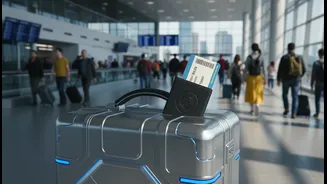
Forget saving up a year's worth of leave for one big, meticulously planned holiday. India's Gen Z is championing a new travel rhythm: the micro-cation. These are short, frequent getaways, typically lasting two to four days, designed to offer a quick reset
without disrupting work or life for too long. According to a recent Airbnb report, a staggering 7 out of 10 young Indian travellers now prefer taking multiple short trips over a single long one. The data shows that 87% favour trips that last under a week. This shift is not just about convenience; it's a fundamental change in mindset. Travel is no longer a distant reward but an integrated part of a balanced lifestyle, a response to a stressful week or simply a spontaneous plan with friends.
The Forces Driving the Shift
Several factors are fuelling this trend. The most significant is the evolution of work culture. The rise of remote and hybrid work models has untethered young professionals from their desks, making it possible to blend work and leisure seamlessly—a trend often called 'bleisure'. With reliable 5G internet now accessible even in remote destinations, working from a hill station or a beach town is no longer a fantasy. Beyond logistics, there's a strong emphasis on mental wellness. After spending formative years in lockdown, Gen Z approaches travel with a sense of urgency, prioritising experiences that combat burnout and offer a mental recharge. This generation views travel as an act of self-expression and connection, where the company you keep is often more important than the destination itself.
Budgeting for a Life of Travel
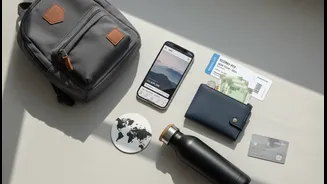
This new travel habit demands a different approach to financial planning. Instead of a single, massive savings goal, Gen Z incorporates smaller, regular travel expenses into their monthly budgets. They are masters of what could be called 'à la carte travelling'—spending on parts of the trip that matter most to them while cutting costs elsewhere. This might mean staying in a hostel to splurge on a unique local experience. According to one report, 56% of Gen Z Indians have cut back on daily expenses like shopping to finance their travels. They are value-conscious, not price-conscious, willing to spend when an experience feels worth it. This generation is also tech-savvy, using apps to find deals, split expenses, and even AI to plan their trips.
Redrawing the Travel Map
The micro-break trend is also changing where young Indians travel. The focus has shifted from expensive international trips to accessible, often offbeat, domestic destinations. Quick getaways to nearby hill stations, coastal towns, and wellness retreats are booming. This generation is famously 'de-influenced,' with reports showing 90% actively seek out undiscovered places over viral social media recommendations. Spontaneity is key; two-thirds of Gen Z book their travel within just days or weeks of their trip. Interestingly, the accommodation itself can become the destination. A unique stay discovered online is enough to inspire a trip, with many travellers saying the place they stay is often the highlight of their entire experience.