

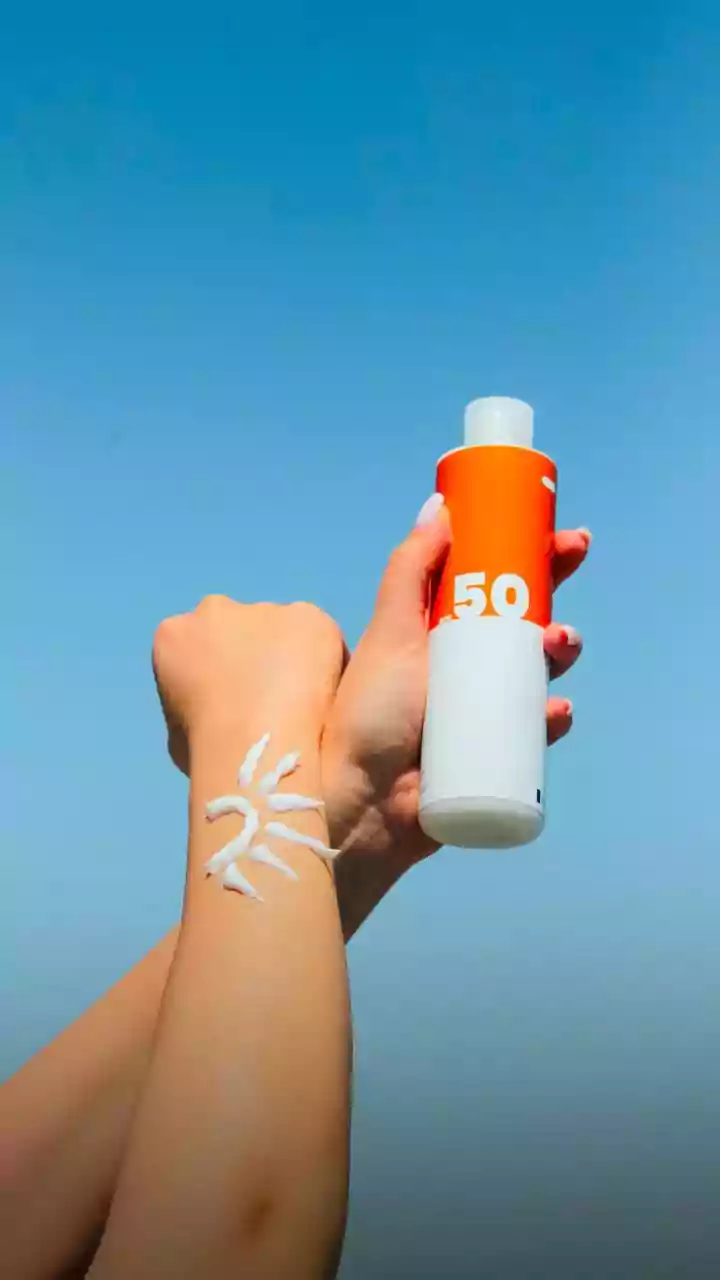



You invest time and money into achieving the perfect hair colour, only to watch it fade under the harsh Indian sun. Prolonged midday exposure is a primary culprit, but protecting your investment is easier than you think.
Why the Sun is Your Colour's Enemy
Just as ultraviolet rays damage
skin, they also wreak havoc on hair, especially colour-treated strands. Sunlight contains both UVA and UVB rays, which work together to degrade your hair's health and vibrancy. UVA rays are primarily responsible for colour changes; they penetrate the hair shaft and break down both artificial colour molecules and the natural melanin pigments that give hair its colour. This leads to the fading, brassiness, or unwanted reddish tones that often appear after time spent in the sun. UVB rays, meanwhile, attack the hair's structural proteins, chiefly keratin. This weakens the hair, making it dry, brittle, and prone to breakage and split ends. The sun essentially lifts the hair's protective outer layer, the cuticle, leaving it vulnerable and less able to hold onto moisture and colour.
Understanding Midday Exposure
Not all sunlight is created equal. The sun's rays are most intense and damaging during the middle of the day. In India, this peak period is generally considered to be between 10 a.m. and 4 p.m. During these hours, the sun is at its highest point, and the concentration of UV radiation reaching you is at its maximum. Minimising your time outdoors during this window is the most effective first step in any sun protection strategy. Planning errands, outdoor workouts, or travel for the early morning or late afternoon can significantly reduce your hair's exposure to the most harmful rays, preserving its health and colour integrity.
Your First Line of Defence: Physical Barriers
The simplest way to protect your hair is to physically block the sun. A wide-brimmed hat is an excellent and stylish choice, as it shields not only your hair but also your scalp, which can burn just like any other skin. Densely woven fabrics offer more protection than looser weaves. Another chic option is a hair scarf or head wrap. You can fold a scarf and tie it as a headband or wrap it fully around your head for maximum coverage. Beyond accessories, consider protective hairstyles like braids or buns. These styles keep much of your hair tucked away and less exposed to direct sunlight, reducing the overall impact of UV radiation.
The Role of UV Protective Products
For times when you can't avoid the sun, specific hair products can offer a crucial layer of defence. Look for leave-in conditioners, sprays, and serums formulated with UV filters. These products work by forming a protective shield over the hair shaft that absorbs or reflects harmful radiation. Key ingredients to look for include Cinnamidopropyltrimonium chloride, which is a conditioning agent that bonds to the hair and absorbs UVB rays, and Benzophenone-3 or Benzophenone-4. Antioxidants such as Vitamins C and E are also beneficial, as they help neutralize damaging free radicals generated by sun exposure. Some natural oils, like coconut and argan oil, can also provide a mild barrier and help seal in moisture. Apply these products evenly before heading outside for best results.
Post_Sun Recovery and Care
Protecting your hair doesn't end when you step indoors. After a day in the sun, your hair needs to be replenished. If you've been swimming, rinse your hair with fresh water as soon as possible to remove salt or chlorine, which can compound sun damage. Follow up with a gentle, hydrating shampoo and conditioner specifically designed for colour_treated hair. Weekly deep_conditioning treatments or hair masks are also essential for restoring moisture, repairing the cuticle, and keeping your strands soft and resilient. This recovery routine helps to counteract the drying and weakening effects of UV exposure, ensuring your hair remains healthy and your colour stays vibrant for longer.