

As the air turns crisp, two seasonal favourites appear on our plates: the humble sweet potato and the festive chestnut. Both are delicious and nutritious, but when it comes to Vitamin C, which one wins? The answer isn't simple; it's all about context.
The Everyday Nutrient Powerhouse
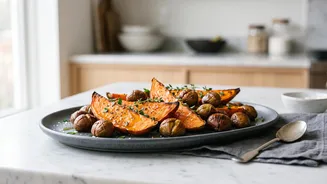
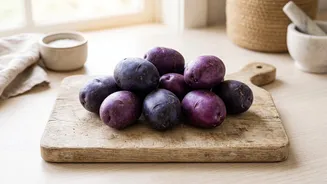
Sweet potatoes are a beloved staple in Indian kitchens, celebrated for their versatility and health benefits. They are an exceptional source of beta-carotene, which the body converts into Vitamin A, crucial for vision and immune health. A medium-sized sweet potato also provides a good dose of fibre, potassium, and manganese. When it comes to Vitamin C, a raw sweet potato holds its own, containing a respectable amount of this essential antioxidant. For most adults, the recommended daily intake of Vitamin C is between 75 to 90 milligrams, an amount that helps support everything from skin health to immune defence. As a widely available and affordable vegetable, the sweet potato is a reliable, year-round contributor to this goal.
The Surprising Chestnut Contender
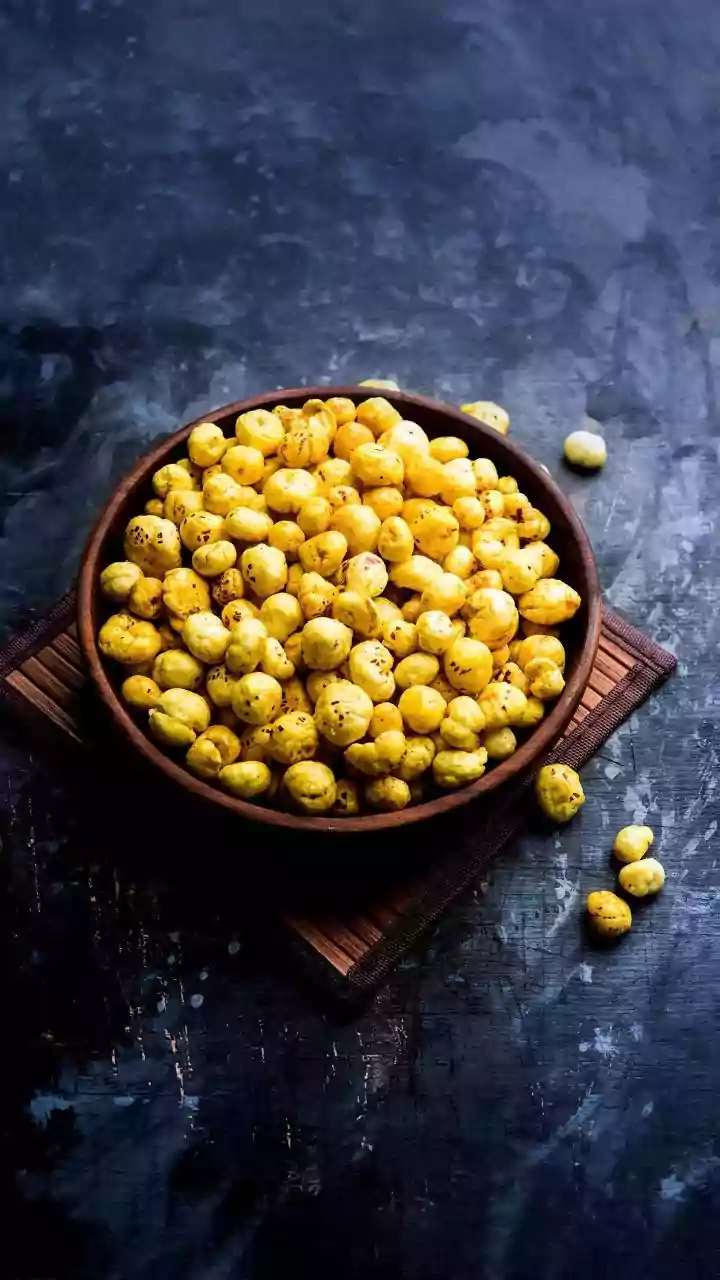
Chestnuts are often associated with winter festivities, roasted over coals or added to decadent desserts. Nutritionally, they are unique among nuts. Unlike almonds or walnuts, chestnuts are relatively low in fat and calories and are primarily composed of complex carbohydrates and water. Their most surprising feature, however, is a significant Vitamin C content. Raw chestnuts are an excellent source, containing substantially more Vitamin C per 100 grams than many other nuts, which typically have none. This makes them a standout choice for a nutrient boost during their peak season.
The Impact of Heat: Where Things Change
Here is where 'context' becomes critical. Vitamin C, also known as ascorbic acid, is notoriously sensitive to heat and water. During cooking, a significant portion can be lost. When you boil sweet potatoes, some of the Vitamin C leaches into the water, reducing the overall content. Microwaving and steaming have been shown to be gentler methods, preserving more of the vitamin. Similarly, roasting or boiling chestnuts also leads to a notable decrease in their Vitamin C levels, with losses that can range from 25% to over 70% depending on the method and duration. Interestingly, even after cooking, chestnuts can remain a good source of antioxidants.
A Tale of Two Cooking Methods
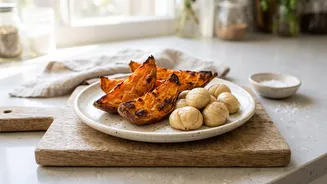
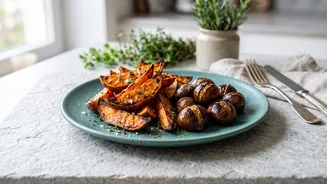
Let's compare common preparations. A baked sweet potato, cooked in its skin, tends to retain its nutrients better than a boiled one. One study found boiled sweet potatoes retained about 13 mg of Vitamin C per 100g. Roasted chestnuts, a festive favourite, lose a portion of their Vitamin C, but still provide a decent amount, with some studies showing they can contribute up to 20% of the daily recommended intake after cooking. To get the most Vitamin C from chestnuts, you could eat them raw (which is less common but possible with fresh ones) or roast them at lower temperatures to minimize nutrient loss. For sweet potatoes, steaming or baking are your best bets for Vitamin C preservation.
The Verdict: Context is Everything
So, which is better? Raw, 100g of chestnut contains significantly more Vitamin C than the same amount of raw sweet potato. However, we rarely eat either food raw. Once cooked, the gap narrows considerably. The true winner depends on your goal and preparation method. If you're enjoying roasted chestnuts at a winter market, you are still getting a valuable dose of Vitamin C. If you are baking a sweet potato for a weeknight dinner, you are getting an excellent source of Vitamin A and a solid contribution of Vitamin C. Sweet potatoes offer consistent, year-round nutrition, while chestnuts provide a fantastic seasonal boost. Neither one is universally 'better'; they simply shine in different contexts.