





The Monsoonal Challenge to Crispiness
The arrival of the monsoon brings relief from the heat but spells doom for our favourite fried snacks. That delightful crunch of a fresh samosa, mathri, or bhajiya is notoriously short-lived when the air is thick with moisture. This isn't just bad luck;
it's a scientific process. Fried foods have a very dry, porous surface created by hot oil. During the rainy season, the high humidity in the atmosphere provides a ready source of water molecules that are eager to re-saturate that crispy crust, turning it limp and soggy. This process, known as moisture migration, is the primary reason why snack structures 'collapse' and lose their satisfying texture moments after they have been cooked.
The Hidden Enemy: Moisture in Fresh Herbs
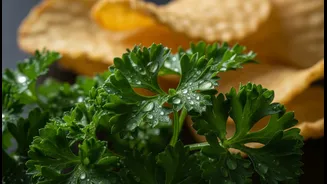
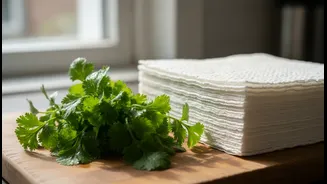
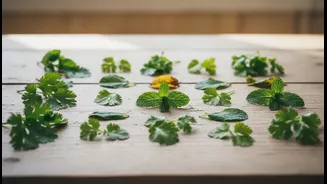
Many recipes for snacks like pakoras call for fresh herbs like coriander, mint, or spinach to be mixed into the batter. While delicious, these fresh greens are a hidden source of moisture. Fresh herbs can contain anywhere from 75% to 90% water by weight. When you add them to your batter and introduce them to hot oil, this internal water turns into steam. This steam gets trapped within the snack's structure and, as it cools, condenses back into water, softening the snack from the inside out. So even before the external humidity gets a chance to attack, the water from fresh ingredients has already begun to compromise the crispiness you worked so hard to achieve.
The Dry Herb Advantage
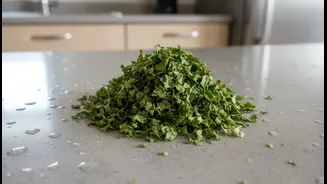
This is where dry herb processing becomes your greatest ally. Dried herbs have had the vast majority of their water content removed, typically leaving them with only 5-15% moisture. When you substitute fresh herbs with their dried counterparts, you are removing a significant source of internal steam from the equation. The result is a batter with a much lower overall moisture content, leading to a crispier and more stable final product. For instance, using dried fenugreek leaves (kasuri methi) in mathri dough is a traditional technique that contributes to its signature flaky, crisp texture. Because the flavour of dried herbs is more concentrated, you can use less while still achieving a powerful aromatic punch. The general rule is to use one part dried herb for every three parts fresh.
Practical Processing for Peak Performance
To maximise the benefits, a little processing goes a long way. Simply crushing dried leaves like kasuri methi between your palms before adding them to the dough or batter helps release their essential oils and deepens the flavour. For a more robust flavour, you can gently toast woody herbs like dried rosemary or thyme in a dry pan for 30 seconds before grinding them. This intensifies their aroma. For batters, ensure your dried herbs are finely crumbled or powdered so they distribute evenly. Incorporating them directly into the dry ingredients (like the gram flour or maida) before adding any liquid ensures they are well integrated and don't clump. This simple swap from fresh to dry is a game-changer, fortifying your snacks against the onslaught of humidity.
Beyond the Batter: Other Anti-Soggy Strategies
While using dried herbs is a powerful technique, a few other habits can help preserve that precious crunch. Always cool your fried snacks completely on a wire rack before storing them. Placing hot snacks in a closed container traps steam, leading to condensation and sogginess. Use airtight glass or steel containers for storage, as they are less permeable to moisture than plastic. For snacks that have started to soften slightly, a quick refresh for a few minutes in a hot oven or an air fryer can help draw out absorbed moisture and bring back some of their crispiness. By combining these storage methods with the clever use of dried herbs, you can ensure your monsoonal treats stay delicious for longer.