




The Monsoon Hair Challenge
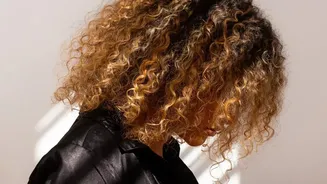
The primary challenge during the monsoon is the drastic increase in humidity. Hair is hygroscopic, meaning it absorbs moisture from the air. This causes the hair shaft to swell and the outer layer, or cuticle, to lift, resulting in frizz and a rough texture.
When hair gets wet, either from rain or washing, it is at its most fragile state. The combination of a humid environment and vulnerable wet hair creates a perfect storm for breakage, frizz, and scalp issues like dandruff and fungal infections. If you get caught in the rain, it's important to wash your hair soon after, as rainwater in urban areas can be acidic and carry pollutants that irritate the scalp.
Stop The Rough Towel Rub
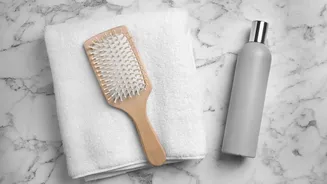
One of the most common mistakes is vigorously rubbing wet hair with a coarse bath towel. This aggressive friction roughs up the delicate cuticle layer, leading directly to frizz, split ends, and breakage. Since wet hair is weaker and more elastic, this rough handling can easily stretch and snap the strands. The solution is to switch your technique and your towel. Instead of rubbing, gently squeeze or blot the excess water from your hair. Consider swapping your heavy bath towel for a soft, absorbent microfiber towel or even a clean cotton t-shirt. These materials are much gentler on the hair cuticle and absorb water effectively without causing damage.
Detangle With Care
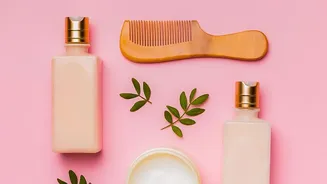
Never attempt to brush or comb your hair when it is soaking wet. Tugging through knots while your hair is at its weakest point is a guaranteed recipe for breakage. The best practice is to wait until your hair is semi-dry or at least damp. Use your fingers to gently separate any large tangles first. Then, switch to a wide-tooth comb, preferably made of wood to reduce static. Start detangling from the tips of your hair and gradually work your way up to the roots. This method prevents you from pulling a knot tighter and putting stress on the hair root.
Rethink Your Use of Heat
Excessive heat is always a concern for hair health, but it's especially damaging during the humid monsoon season. Using heat styling tools on hair that isn't completely dry is a major misstep. The heat can turn any remaining moisture in the hair shaft into steam, causing the strand to swell and the cuticle to crack. Whenever possible, let your hair air dry. If you must use a blow dryer, use it on a low-heat or cool setting to minimize damage. Always apply a heat protectant product first to create a barrier between your hair and the tool. Limit the use of straighteners and curling irons, as they can strip moisture and worsen the frizz you're trying to fight.
Smart Styling and Product Choices
The right products can create a shield against humidity. After gently towel-drying, apply a lightweight, anti-frizz serum or a leave-in conditioner to your damp hair, focusing on the mid-lengths and ends. This helps to seal the cuticle, lock in moisture, and prevent the hair from absorbing excess humidity from the air. Avoid heavy creams or oils that can weigh your hair down in the already heavy monsoon air. Also, avoid tying your hair up tightly when it's damp. This puts stress on the hair follicles and can lead to breakage and even hair fall. Opt for loose braids or buns only after your hair is mostly or completely dry.